

Every parent knows the feeling. The bedtime routine has stretched to 45 minutes. The child is still wide awake — overstimulated, restless, asking for water, asking about tomorrow, asking about absolutely anything that delays sleep. You are exhausted. They are wired. And the only thing between you and silence is a routine that is clearly not working.
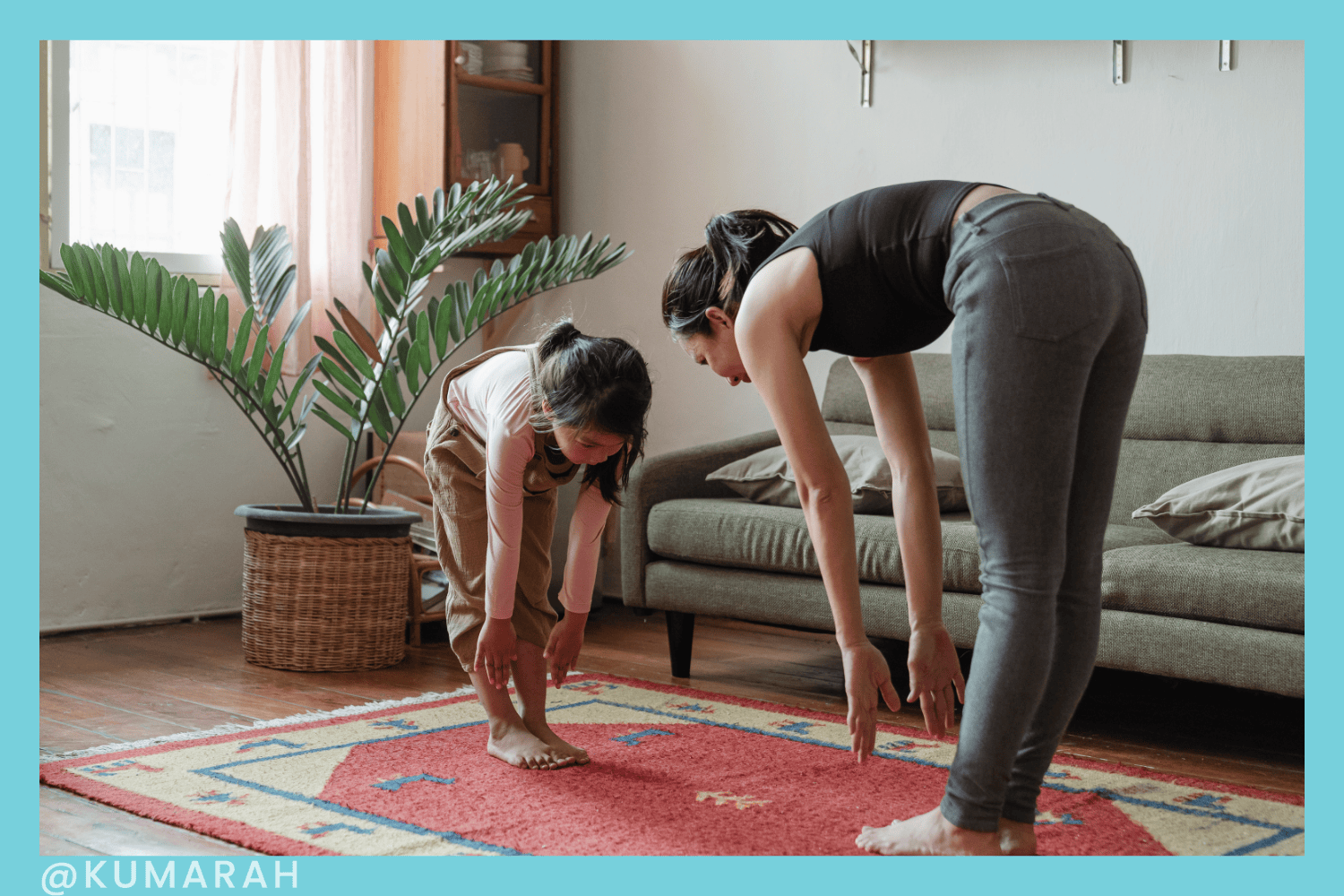
Bedtime yoga for kids offers a surprisingly effective solution — and its power comes not from magic but from neuroscience. Children’s nervous systems respond to gentle physical movement, breathwork, and guided visualisation faster and more dramatically than adults’, because their regulatory systems are still developing and more readily influenced by environmental input. A 15-minute bedtime yoga routine consistently and measurably shifts a child’s nervous system from the hyperaroused state of an active evening into the calm, sleepy state that allows natural sleep onset.
This guide gives you a complete, research-informed, child-tested bedtime yoga routine — plus the science behind why it works, tips for making it fun, and answers to the most common parent questions.
Why Children’s Sleep Is More Disrupted Than Ever
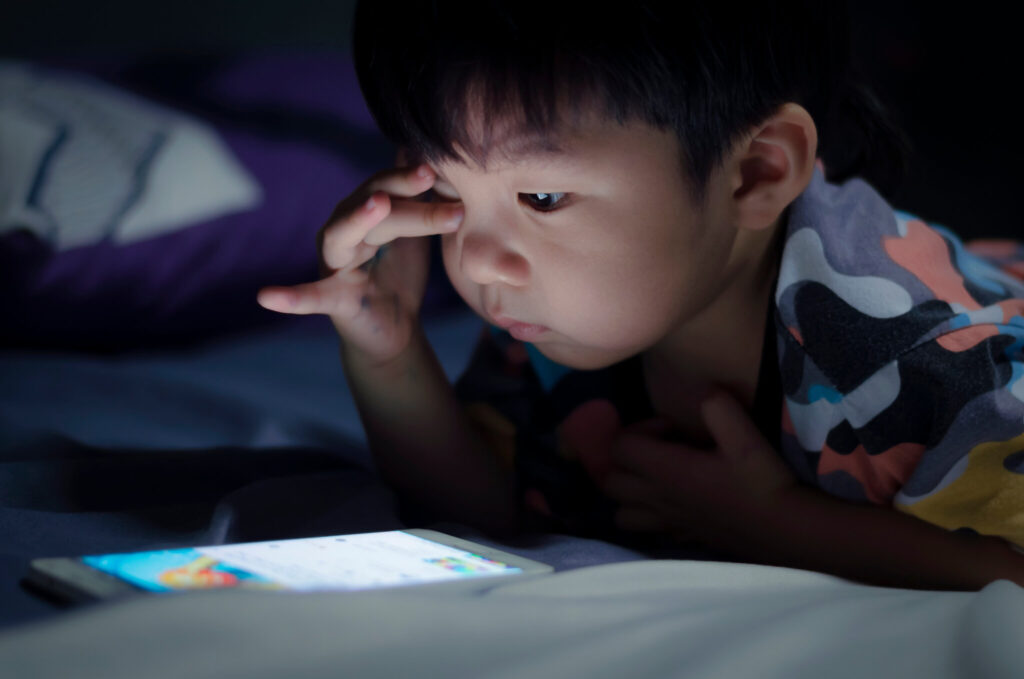
Sleep problems in children have risen dramatically in the past decade. Screen time — particularly exposure to the blue light and dopamine-triggering content of tablets and smartphones in the 1 to 2 hours before bed — suppresses melatonin production and maintains the arousal level of the nervous system. Academic and social pressures have extended downward to increasingly younger children. Overscheduled days leave insufficient transition time between activity and rest.

The consequences extend well beyond a difficult bedtime. Chronic sleep deprivation in children is associated with impaired memory consolidation, reduced immune function, behavioural dysregulation, increased anxiety, difficulty concentrating at school, and elevated stress hormone levels. Getting children to sleep well is not about parental convenience — it is one of the most consequential health interventions available.
The Science Behind Bedtime Yoga for Kids
Bedtime yoga works through three primary mechanisms:

1. Physical Movement Completing the Stress Cycle
Children need physical discharge of accumulated daily stress — the minor frustrations, social difficulties, and physical energy of a full day. Gentle, rhythmic movement in the evening helps complete the stress cycle that built up during the day, allowing the body to transition to a genuinely restful state rather than a suppressed-but-still-activated one.
2. Breathwork Activating the Parasympathetic System
Children’s respiratory systems are very responsive to breath-based parasympathetic activation. Even simple breathing exercises — exhaling longer than inhaling, counting breaths, humming on the exhale — produce rapid reductions in heart rate and cortisol in children, often within 2 to 3 minutes. This is significantly faster than the adult response to the same techniques.
3. Guided Visualisation for Mental Wind-Down
The cognitive arousal that keeps children awake — replaying the day, worrying about tomorrow, generating story ideas — responds very well to gentle guided imagery that gives the mind a pleasant, engaging object of attention that gradually becomes less stimulating. Guided visualisation in yoga tradition (drawn from the Yoga Nidra rotation) is specifically designed to transition the brain from beta waves to alpha and theta states — the gateway to sleep.
Age-Appropriate Bedtime Yoga: Adapting by Age Group
Ages 3 to 5: Story-Based Yoga
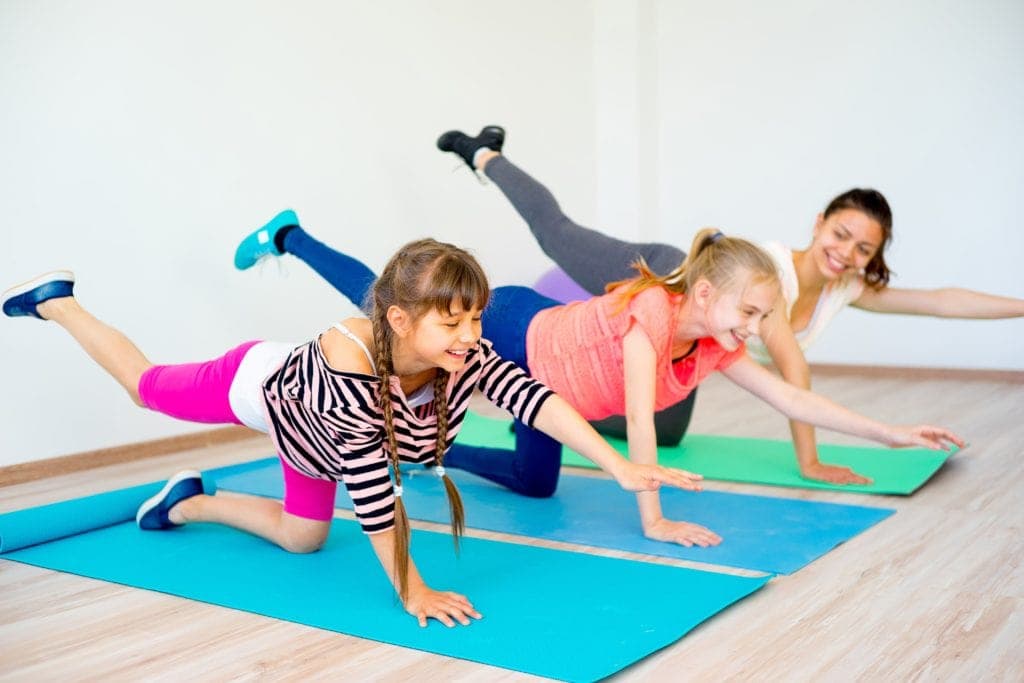
Young children engage most deeply with yoga through narrative. Every pose becomes a character or element in a simple story: “now we are seeds growing into trees… now we are lions resting after a long day… now we are clouds floating gently across a dark sky.” Poses should be simple, held briefly (10 to 20 seconds), and tied closely to the story. Language should be soft, slow, and progressively sleepier as the story winds down.

Ages 6 to 9: Theme-Based Yoga with Breathing Games
Older children enjoy slightly more structure. Theme-based sequences (“animal yoga”, “space yoga”, “ocean yoga”) provide engagement while introducing the physical and breath components. Breathing games are essential: “belly breathing with a stuffed animal balanced on your belly”, “counting your exhales backwards from 10”, “breathing like you are blowing out birthday candles — slowly.” These disguise what are, in essence, clinically effective pranayama techniques in child-friendly form.
Ages 10 to 14: Teen-Appropriate Mindfulness
Older children and young adolescents often reject practices that feel “babyish” but are deeply receptive to yoga framed as stress management, performance enhancement, or sleep improvement. Present the practice in these terms — it is a legitimate sleep tool, used by athletes and high-performers. Breathing techniques can be introduced with their actual names and physiological explanations. Body scans and Yoga Nidra-style relaxations are very effective for this age group.
The Complete 15-Minute Bedtime Yoga Routine for Kids
This sequence works for children aged 4 to 12. Adapt language for your child’s age. Begin with the lights dimmed, pyjamas on, and devices fully away for at least 30 minutes before starting.
Part 1: Arrival and Breath Awareness (2 minutes)
“Lie on your back on your bed or mat. Take three big deep breaths with me. On each exhale, let out a big, slow sigh: ahhhhh. [pause] Feel how your body sinks into the floor a little bit more after each sigh. Your body is getting ready to rest.”
Part 2: Gentle Animal Poses (6 minutes)
“Now we are going to move through some gentle shapes. Move slowly — like you are moving underwater.”
- Happy Baby Pose: “Hold onto your feet and rock gently side to side, like a happy baby. Feel the rocking loosen up your back.” 60 seconds.
- Puppy Pose (gentle version): “Come onto all fours. Walk your hands forward and let your chest melt toward the floor. This is sleepy puppy pose.” 60 seconds.
- Child’s Pose: “Sit back onto your heels, fold forward, and put your forehead on the floor or a pillow. This is hedgehog pose — curled up safe and warm.” 90 seconds.
- Butterfly: “Sit up and put the soles of your feet together. Let your knees fall open like butterfly wings. Fold forward slowly.” 60 seconds.
- Twisted star: “Lie on your back. Let your knees fall to one side. Look the other way. You are a falling star spinning slowly.” 45 seconds each side.
Part 3: The Countdown Breathing Game (3 minutes)
“Lie flat on your back. We are going to count our breaths backwards from 20. Each time you breathe out, say the next number in your head. If you forget the number, start again from 20. Ready? Breathe in… breathe out… 20. Breathe in… breathe out… 19…” [Continue in a slow, quiet voice or invite the child to count internally.]
This is the single most effective technique in the routine. Research on breath-counting meditation shows it significantly reduces cognitive arousal (the busy thinking mind) within 3 to 5 minutes.
Part 4: Body Melt (3 minutes)
“Close your eyes. I am going to name parts of your body, and as I name each one, imagine it melting into the floor like warm butter…”
“Your feet are melting… your ankles… your legs… your tummy is getting heavy… your hands… your arms… your shoulders are melting into the floor… your face is soft… your eyes are closed and heavy… you are warm and safe and completely comfortable…”
Continue slowly for 2 to 3 minutes with progressively quieter voice and longer pauses between body parts. Most children are asleep or deeply relaxed by the end of this section.
Making Bedtime Yoga a Consistent Routine
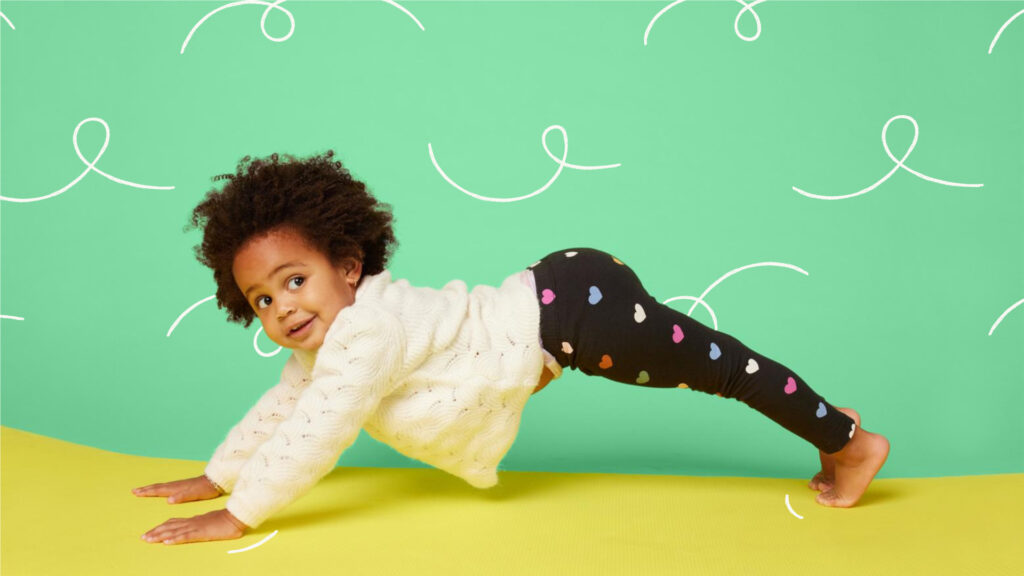
Consistency is the key to effectiveness. The nervous system learns to associate the familiar sequence of poses, breathwork, and relaxation with sleep onset — over two to three weeks, the practice itself begins to trigger drowsiness, much like a conditioned response. The more regular and predictable the routine, the stronger this association becomes.
Parents who enjoy yoga themselves may find that practising Yoga Nidra for sleep in their own bedtime routine significantly improves their own rest quality while modelling the practice for their children.
For older children interested in extending their practice, our mindfulness meditation guide for beginners provides age-appropriate instructions for developing a standalone meditation habit alongside the bedtime yoga routine.
Common Parent Questions
What if my child won’t stay still?
This is entirely normal, especially in the first week. Do not force stillness. Simply continue the routine at your own pace, in a calm, quiet voice. Many children who appear to be fidgeting are actually listening and responding internally. Within two to three sessions, most children settle significantly as the routine becomes familiar.
How young can children start?
Even toddlers as young as 2 to 3 can benefit from simple versions of this routine — primarily the breathing games and body-melt relaxation, with very brief animal poses. The key is making it playful, keeping it short (5 to 8 minutes for under-4s), and never forcing any pose.
Does it work for children with ADHD or sensory processing difficulties?
Bedtime yoga can be particularly effective for children with ADHD or sensory differences, as the proprioceptive input of the poses (deep pressure from forward folds, rocking in Happy Baby) is specifically calming for dysregulated sensory systems. However, adapt the pace and intensity to your child’s specific sensory needs — some children need more active movement before they can settle, others need gentler, slower input. Consider working with an occupational therapist to personalise the approach.
Sleep is the most important thing you can give your child each night. A 15-minute bedtime yoga routine is one of the most powerful, zero-cost, zero-side-effect tools available to make it happen. The investment is small. The returns — a calm, rested, happier child — are everything.
Discover more expert yoga guides at YogaSniff.com