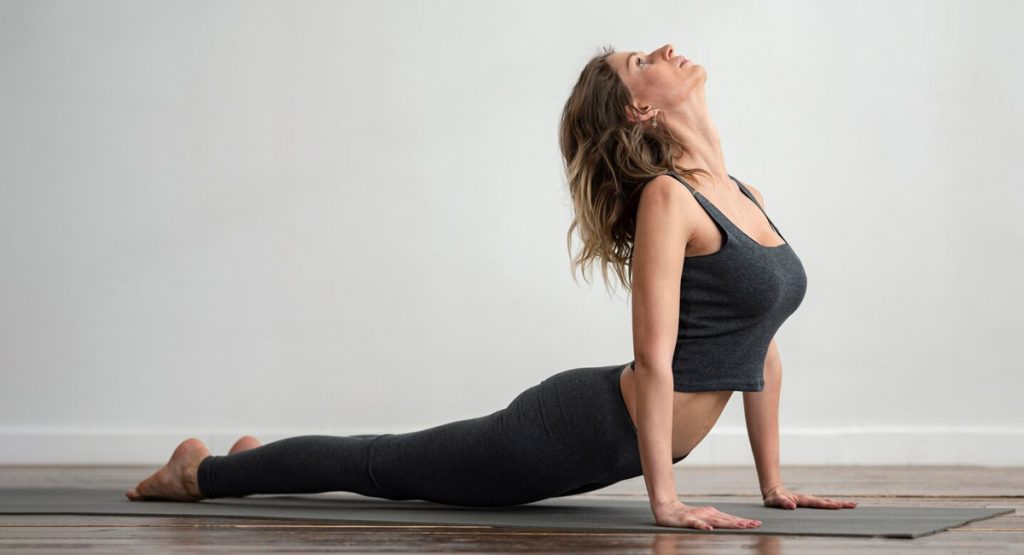


Bloating, constipation, IBS, acid reflux, sluggish digestion — these are not just uncomfortable. They affect energy, mood, sleep, skin clarity, immune function, and mental health through the gut-brain axis. And while diet gets most of the attention in gut health conversations, the role of movement, stress reduction, and physical massage of the abdominal organs is equally powerful — and far less discussed.
Yoga for digestion works through multiple mechanisms simultaneously: it physically massages and compresses the digestive organs through twisting and folding movements; it stimulates the vagus nerve (which governs ‘rest and digest’ gut function); it reduces the cortisol that shuts down digestion; and it increases blood flow and lymphatic drainage to the abdominal region. The result is a digestive system that moves more efficiently, absorbs nutrients more effectively, and causes far less discomfort.
This guide gives you 11 specific poses and practices — with detailed instructions — that address the full spectrum of digestive complaints. Whether you are dealing with chronic bloating, constipation, IBS, or simply a sluggish gut after a heavy meal, there is something here for you.
The Gut-Yoga Connection: How Yoga Improves Digestion
The Vagus Nerve and Digestive Function
The digestive system is governed primarily by the enteric nervous system — often called ‘the second brain’ — a network of over 500 million neurons embedded in the gut wall. This system is in constant two-way communication with the brain via the vagus nerve. When the vagus nerve is in high tone (parasympathetic dominance), digestion functions optimally: stomach acid production is appropriate, peristalsis moves food through the intestines efficiently, bile is released, and digestive enzymes are secreted. When vagal tone is low (sympathetic dominance — the stress state), all of these functions are suppressed.

Yoga is one of the most effective tools for increasing vagal tone available. Every slow, deep exhale, every restorative pose, and every moment of mindful presence during practice sends a signal through the vagus nerve that it is safe to digest.
Physical Compression and Massage
Unlike any other form of exercise, yoga includes specific movements that directly compress and then release the stomach, small intestine, large intestine, liver, and pancreas. This compression-release cycle acts like a gentle massage for the digestive organs, stimulating peristalsis (the muscular wave that moves food through the gut), breaking up gas pockets, and stimulating the release of digestive secretions.

11 Yoga Poses for Digestion

1. Wind-Relieving Pose — Pavanamuktasana
This is perhaps the most directly named yoga pose for digestion. Lie on your back. Hug your right knee into your chest and hold for 30 seconds. Repeat on the left. Then hug both knees simultaneously. Rock gently side to side. This pose directly compresses the ascending colon (right side), descending colon (left side), and transverse colon (both together), stimulating peristalsis and releasing trapped gas throughout the large intestine. It is the most immediately effective pose for acute bloating and trapped wind. Practise for 3 minutes total after meals.
2. Seated Spinal Twist — Ardha Matsyendrasana
Sit upright with your right leg extended and your left foot placed outside your right thigh. Twist your torso to the left, placing your right elbow against the outside of your left knee. Hold 8 to 10 breaths, using each exhale to deepen the twist gently. The compression this twist applies to the abdominal organs follows the natural direction of digestion — from the ascending to the transverse to the descending colon — and is one of the most effective poses for constipation relief and overall digestive stimulation. Always twist right side first, then left, to follow the anatomical direction of the large intestine.
3. Cat-Cow — Marjaryasana-Bitilasana
On all fours, alternate between arching the back (Cow — belly drops, head and tailbone lift) and rounding it (Cat — belly pulls in, spine domes). Move slowly, coordinating with the breath: inhale into Cow, exhale into Cat. This spinal movement rhythmically massages the entire digestive tract from multiple angles and is particularly effective for stimulating sluggish bowel movement when practised for 3 to 5 minutes first thing in the morning. The gentle pressure of the abdominal wall alternately compressing and releasing the intestines acts like an internal pump.
4. Child’s Pose — Balasana
Kneeling with big toes together, fold forward with your arms extended or resting alongside your body. Your belly presses gently against your thighs. This sustained, gentle compression of the abdominal cavity stimulates the parasympathetic nervous system through the vagus nerve while simultaneously massaging the digestive organs between the thighs and the floor. Hold for 2 to 5 minutes. Child’s Pose is one of the most effective poses for stress-related digestive complaints — IBS, stress-induced nausea, and nervous stomach — because of its profound calming effect on the autonomic nervous system.

5. Downward Facing Dog — Adho Mukha Svanasana
This mild inversion brings blood flow to the abdominal region and gently stretches the intestines and abdominal muscles. Hold for 1 to 2 minutes. Walking your feet alternately by bending one knee and then the other creates a gentle peristaltic-like movement through the abdominal cavity. Downward Dog also builds the core strength that supports healthy intra-abdominal pressure — important for preventing acid reflux and optimising digestion.
6. Boat Pose — Navasana
Seated with knees bent, lean back and lift your feet so your shins are parallel to the floor (or straighten the legs for full Navasana). Hold for 30 to 60 seconds. Boat pose fires the transverse abdominis and core muscles, increasing intra-abdominal pressure in a way that supports digestive organ tone and function. It also stimulates the solar plexus — the nerve plexus associated with the digestive organs — and in yogic anatomy, activates Manipura chakra, the energy centre governing transformation and digestion.
7. Supine Twist — Supta Matsyendrasana
Lie on your back. Hug your right knee to your chest, then guide it across your body to the left, letting it rest on the floor or a block. Extend your right arm out to the right, turning your head gently right. Hold 2 to 3 minutes each side. This passive version of the spinal twist is ideal for practising before bed or when you are too tired for active twists. It is particularly effective for relieving post-dinner bloating and preparing the body for efficient overnight digestive processing.
8. Triangle Pose — Trikonasana
Stand with feet wide apart. Extend your right arm down toward your right shin (or a block) and your left arm up toward the ceiling. Turn your gaze up. Hold 6 to 8 breaths each side. Triangle pose creates a lateral compression of the abdominal organs on the bottom side while stretching the fascial connections of the digestive system on the top side — a full-range massage for the intestines. It also stimulates the liver and spleen, improving their ability to process toxins and produce digestive enzymes.
9. Bridge Pose — Setu Bandha Sarvangasana
Lie on your back with knees bent. Press into your feet and lift your hips. Interlace your hands under your back and draw your shoulder blades together. Hold 8 to 10 breaths. Bridge pose stretches the entire anterior body — including the abdominal fascial system — while strengthening the posterior chain. This opening of the anterior body reverses the chronic compression of the digestive organs that comes from prolonged sitting, and the inversion aspect brings blood flow to the abdominal region.
10. Legs Up the Wall — Viparita Karani
Lie with your legs extended up a wall for 10 to 15 minutes. This gentle inversion reverses gravitational pressure on the abdominal organs and dramatically activates the parasympathetic nervous system. Research has shown that parasympathetic activation directly increases digestive enzyme secretion, bile release, and peristaltic activity. For anyone whose digestive issues are stress-related — which describes the majority of IBS sufferers — this is one of the most powerful single poses available.
11. Diaphragmatic Breathing — The Digestive Catalyst
This is not a pose — it is a breathing technique that should accompany your entire yoga for digestion practice. Most people breathe primarily with their chest. Diaphragmatic (belly) breathing uses the full descent of the diaphragm, which physically presses down on the abdominal organs with every inhale and releases on every exhale — creating a continuous, gentle internal massage of the digestive system with every single breath. Place one hand on your belly. Inhale and feel the belly rise. Exhale and feel it fall. Practice this consciously for 5 minutes daily, and aim to make it your default breathing pattern throughout the day.
Targeted Sequences for Specific Digestive Issues
For Constipation (Morning Sequence — 15 minutes)
- Cat-Cow — 3 minutes
- Seated Spinal Twist right then left — 2 minutes each
- Wind-Relieving Pose — 3 minutes
- Child’s Pose — 3 minutes
- Diaphragmatic breathing in Savasana — 2 minutes
For Bloating and Gas (Post-Meal Sequence — 10 minutes)
- Walk slowly for 5 minutes (gentle movement first)
- Wind-Relieving Pose — 3 minutes
- Supine Twist — 2 minutes each side
- Legs Up the Wall — 5 minutes
For Stress-Related IBS (Evening Sequence — 20 minutes)
- Child’s Pose — 5 minutes
- Supine Twist — 3 minutes each side
- Legs Up the Wall with diaphragmatic breathing — 10 minutes
- Savasana — 5 minutes
Lifestyle Factors That Amplify Your Yoga Digestion Practice

- Eat slowly and without screens: Mindful eating activates the cephalic phase of digestion, which can account for up to 30 percent of digestive enzyme production
- Stay hydrated: The intestinal lining requires adequate water for mucus production and efficient food transit
- Don’t practise inversions immediately after large meals: Wait at least 90 minutes. Gentle twists and Child’s Pose are fine within 30 minutes
- Morning practice is particularly powerful for digestion: The digestive system’s highest activity window is between 7 AM and noon
Your Gut Is Listening
The gut is remarkably responsive to the messages your body sends it. When you move, twist, fold, breathe deeply, and spend time in rest and recovery — your digestive system responds with greater efficiency, less discomfort, and better overall function. The 11 poses and practices in this guide represent the most direct and evidence-supported yoga tools for supporting gut health.
Be consistent rather than intense. Even 15 minutes of targeted yoga for digestion three to four times per week produces meaningful improvements within two to three weeks for most people. Your gut has been waiting for you to move. Start today.
Explore more yoga and meditation guides at YogaSniff.com