


The human brain was long believed to be a fixed organ — fully formed by early adulthood and gradually declining from there. We now know this is profoundly wrong. The brain is neuroplastic: it physically changes its structure, connectivity, and function in response to experience, practice, and thought. And of all the activities that drive positive neuroplastic change, meditation may be the most powerful and well-studied.
Meditation for brain health is not a metaphor. It is a literal description of what regular practice produces: measurable, structural, and functional changes in the brain that improve cognitive function, emotional resilience, memory, attention, and long-term neurological health. This guide unpacks the science — and shows you how to use it.
What Brain Scans Actually Show About Meditators
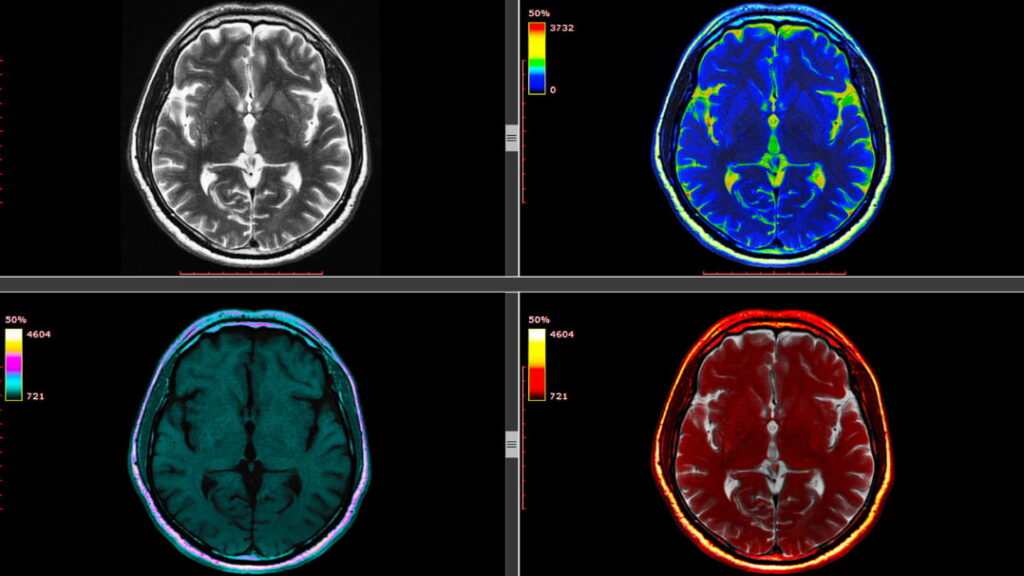
The landmark research of neuroscientists like Sara Lazar at Harvard, Richard Davidson at the University of Wisconsin, and Clifford Saron at UC Davis has produced some of the most remarkable findings in modern neuroscience.
Cortical Thickening
Lazar’s team found that long-term meditators had significantly greater cortical thickness in regions associated with attention, interoception (body awareness), and sensory processing — including the prefrontal cortex and right anterior insula. Most remarkably, these differences were most pronounced in older meditators, suggesting that meditation may counteract age-related cortical thinning.

Reduced Amygdala Volume and Reactivity
The amygdala — the brain’s threat-detection centre — shows reduced volume and reduced reactivity in long-term meditators. This means that experienced meditators literally have smaller ‘alarm centres’ in their brains, and what alarm centres they do have, fire less dramatically in response to stress, fear, or emotional provocation.
Increased Grey Matter in the Hippocampus
The hippocampus is the primary structure for memory formation and spatial navigation, and it is one of the first areas to deteriorate in Alzheimer’s disease. Multiple studies have found increased grey matter density in the hippocampus of meditators compared to non-meditators.

Enhanced Default Mode Network Regulation
The Default Mode Network (DMN) is the brain’s ‘idle’ circuit — active when we’re mind-wandering, ruminating, and self-referential thinking. Overactive DMN is associated with depression, anxiety, and poor cognitive performance. Meditation — particularly mindfulness — significantly reduces DMN activity and improves the brain’s ability to disengage from rumination and return to present-moment focus.
6 Specific Brain Benefits of Regular Meditation
1. Improved Attention and Concentration
Eight weeks of Mindfulness-Based Stress Reduction (MBSR) training produces measurable improvements in sustained attention, as measured by standardised cognitive tests. The prefrontal cortex — which governs executive attention — shows increased activation and structural density in meditators. Regular practice effectively trains the brain’s ‘attention muscle.’
2. Better Emotional Regulation
Meditation strengthens the neural pathways between the prefrontal cortex and the amygdala — the connection that allows your rational mind to modulate your emotional reactions. People who meditate regularly become less reactive to emotional triggers and recover more quickly from negative emotional states. This is quantifiable in brain scans and behavioural measures.
3. Reduced Cognitive Decline with Age
Research from UCLA found that long-term meditators have brains that are structurally 7.5 years younger than their chronological age, on average. Other studies have found that meditation preserves telomere length — the protective caps on chromosomes that shorten with age and cellular stress — suggesting a direct anti-ageing effect at the cellular level.

4. Enhanced Creativity and Problem-Solving
Open monitoring meditation — a style that involves broadly attending to present-moment experience without a specific focus — has been shown to enhance divergent thinking (the kind of thinking that generates novel ideas and solutions). Even a single session of open monitoring meditation produced measurable improvements in creative thinking in a study from Leiden University.
5. Decreased Symptoms of Depression and Anxiety

Meta-analyses involving tens of thousands of participants consistently find that meditation — particularly MBSR and Mindfulness-Based Cognitive Therapy (MBCT) — produces significant reductions in symptoms of depression, anxiety, and psychological distress. MBCT is now recommended by the UK’s National Institute for Health and Care Excellence (NICE) as a front-line treatment for recurrent depression.
6. Improved Immune Function
The brain and immune system are in constant dialogue through the psychoneuroimmunological pathway. Davidson’s research found that MBSR training produced significant increases in antibody production after influenza vaccination compared to controls, demonstrating that meditation-induced changes in the brain directly improve immune function.
How Long Do You Need to Meditate to See Brain Benefits?
This is the question most people really want answered. The research suggests:
- Measurable improvements in mood and subjective wellbeing: as few as 10 minutes per day for 8 days
- Measurable changes in brain function (attention, emotional regulation): 8 weeks of daily practice (typical MBSR programme)
- Structural brain changes (cortical thickening, grey matter increases): typically observed after 5 to 8 years of consistent practice, though some studies find early structural changes after as little as 8 weeks
- Significant protection against cognitive decline: associated with 10 or more years of regular practice
The most important takeaway: you don’t need to become a monk to benefit. Even 10 to 20 minutes of daily meditation produces meaningful, measurable effects on the brain that accumulate and compound over time.
3 Meditation Techniques With the Strongest Brain Health Evidence
1. Mindfulness Meditation (MBSR-Style)
Sit comfortably, close your eyes, and focus your attention on the physical sensations of breathing — the rise and fall of the chest, the passage of air through the nostrils. When your mind wanders (and it will), gently return attention to the breath without judgement. Begin with 10 minutes and build to 20 to 30 minutes daily. This is the most extensively studied meditation form and the gold standard for brain health research.
2. Loving-Kindness Meditation (Metta)
Loving-kindness meditation involves silently directing phrases of goodwill toward yourself and others: ‘May I be happy. May I be healthy. May I be safe. May I live with ease.’ Extend this progressively to loved ones, neutral people, difficult people, and all beings. Research shows Metta specifically strengthens the brain’s empathy circuits and positive emotion regulation systems, with some of the most robust findings for depression reduction.
3. Yoga Nidra and Body Scan Meditation
Systematic body scanning — moving attention slowly through each body region — activates the insula and somatosensory cortex, improving interoception and emotional processing. Combined with the theta-wave state of Yoga Nidra, this practice provides some of the deepest neurological benefits available in a single accessible technique.
Starting Your Brain Health Meditation Practice

The biggest barrier most people face is not time — it’s consistency. Here are evidence-based strategies for building a meditation habit that sticks:
- Habit stack:Attach your meditation to an existing habit — immediately after waking, after your morning coffee, or before bed.
- Start absurdly small:Two minutes a day is more valuable than 30 minutes once a week. Use a timer.
- Track your practice:Apps like Insight Timer, Calm, or Headspace provide accountability and guided sessions.
- Reduce expectation:Meditation is not about emptying your mind. It is about noticing when your mind has wandered and returning — that moment of return is the practice itself.
The brain you have today is not the brain you are stuck with. Every meditation session — no matter how distracted or imperfect it feels — is a deposit into a neurological account that compounds over time. The returns, when they come, touch every dimension of your life.
Explore more yoga and meditation guides at YogaSniff.com