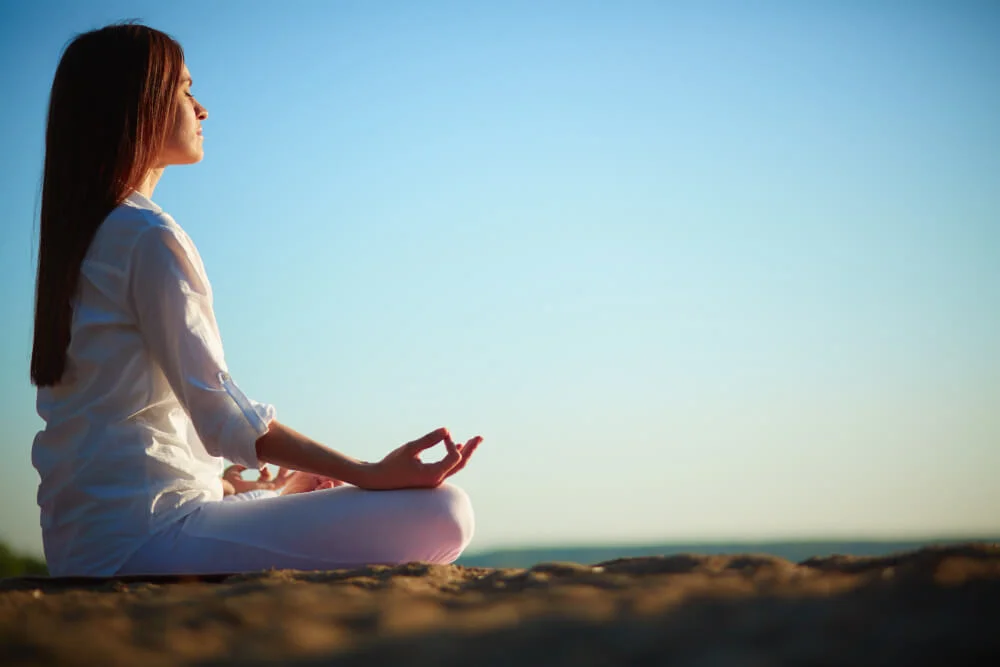


You’ve probably heard that you should meditate. Maybe your doctor mentioned it. Maybe you saw a study about stress reduction. Maybe someone at work keeps talking about how it ‘changed their life.’ But every time you’ve tried sitting quietly and ‘clearing your mind,’ it has lasted approximately 90 seconds before your brain dragged you off to think about your grocery list, that awkward thing you said in 2014, and whether you left the oven on.
- What Mindfulness Meditation Actually Is (And Isn’t)
- Why Mindfulness Meditation Works: The Evidence
- Your First Week: A Day-by-Day Beginner’s Mindfulness Plan
- The 5 Most Common Beginner Challenges — Solved
- Building Your Practice Beyond Week One
- Mindfulness and Yoga: A Natural Partnership
- Begin. Today. With Whatever You Have.
Good news: you were not doing it wrong. That wandering mind experience is not a sign of failure — it is literally the practice. Mindfulness meditation for beginners is not about emptying the mind. It is about noticing when the mind has wandered and choosing to return. That act of returning — done again and again, without self-judgement — is where all the benefits come from.
This guide is designed specifically for people who have tried and struggled, or who simply don’t know where to begin. It cuts through the mysticism and gives you the exact instructions, realistic expectations, and practical strategies you need to build a mindfulness practice that genuinely sticks.
What Mindfulness Meditation Actually Is (And Isn’t)
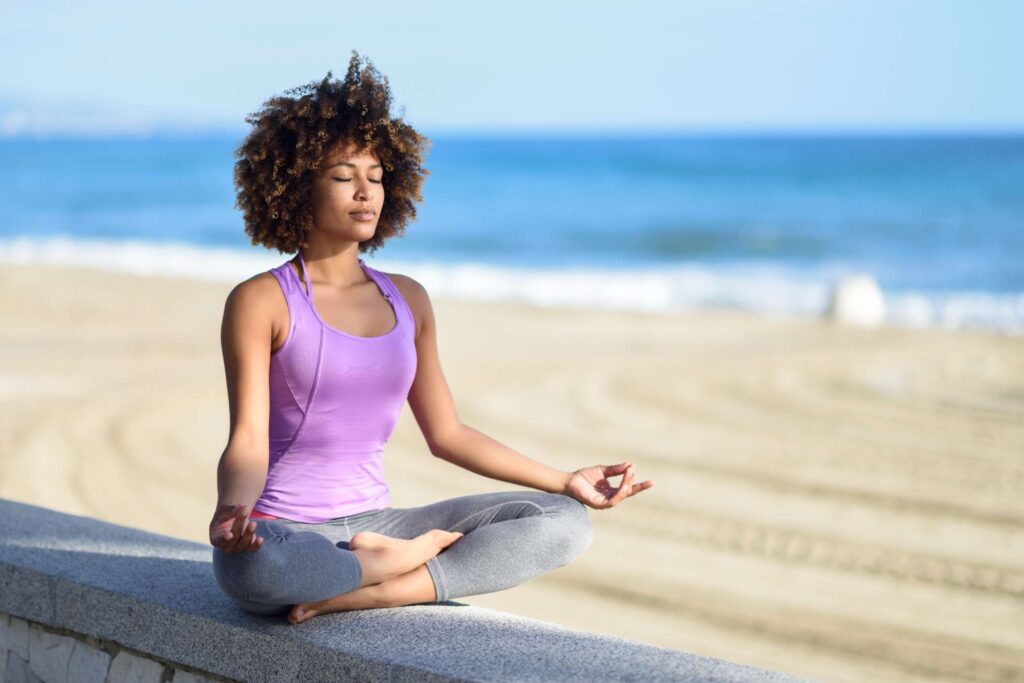
Mindfulness means paying deliberate, non-judgemental attention to present-moment experience. That’s it. No religious requirement. No special posture. No incense. No particular belief system. You can practise mindfulness as a secular psychological tool or within a spiritual framework — both approaches produce measurable benefits.
Mindfulness meditation — as distinct from informal mindfulness in daily life — involves setting aside specific time to practise this quality of attention formally. The most common object of attention for beginners is the breath, because it is always with you, always happening, and provides a rich stream of physical sensations to observe.
What It Is Not:
- It is not about emptying the mind. The mind will produce thoughts — that is what minds do. Your job is to notice them and return to the breath.
- It is not relaxation — though relaxation may occur. Some sessions feel deeply calm; others feel agitated and busy. Both are valid practice.
- It is not a quick fix. Benefits accumulate over weeks and months of consistent practice, though some effects (reduced acute stress, improved mood) can appear within days.
- It is not difficult — but it does require regular practice. The barrier is consistency, not technique.
Why Mindfulness Meditation Works: The Evidence
Mindfulness meditation is one of the most extensively researched psychological interventions in history. The evidence base is now so robust that it has been incorporated into mainstream clinical medicine, military training, professional sport, and corporate wellness programmes worldwide.

Key findings from peer-reviewed research include: 8 weeks of MBSR (Mindfulness-Based Stress Reduction) training reduces cortisol levels and self-reported stress; daily mindfulness practice produces measurable increases in grey matter density in the hippocampus (memory), anterior cingulate cortex (attention), and insula (self-awareness); mindfulness significantly reduces symptoms of depression, anxiety, and chronic pain; regular practice improves immune function, sleep quality, and cardiovascular health markers; and mindfulness reduces activity in the Default Mode Network, the brain’s rumination circuit associated with depression and anxiety.
The mechanism underlying all of these benefits is the same: mindfulness training systematically strengthens the neural pathways that govern present-moment awareness and weakens the pathways that maintain habitual, autopilot reactivity.
Your First Week: A Day-by-Day Beginner’s Mindfulness Plan
Days 1 to 3: Breath Awareness — 5 Minutes
Find a comfortable seated position on a chair, cushion, or the floor. You don’t need to sit cross-legged — any position where your spine is relatively upright and you are unlikely to fall asleep is fine. Set a timer for 5 minutes. Close your eyes gently.
Bring your attention to the physical sensations of your breathing. Notice where you feel it most clearly — the nostrils, the chest, or the belly. Don’t try to control the breath. Simply observe it: the temperature of the air at the nostrils, the slight pause between inhale and exhale, the gentle rise and fall of the belly.

When your mind wanders — and it will, repeatedly, from the very first moment — gently notice that it has wandered. Mentally note ‘thinking’ without self-criticism, and return your attention to the breath. This moment of return is not a consolation prize; it is the core skill you are building. Each return is a mental ‘rep.’ Each session, no matter how distracted it feels, is successful practice.
Days 4 to 5: Body Scan Awareness — 10 Minutes
Extend your session to 10 minutes. For the first 5 minutes, practise breath awareness as before. Then, for the final 5 minutes, slowly move your attention through your body from the top of your head to the soles of your feet. Notice what is present at each region — warmth, coolness, tingling, pressure, tightness, ease. Don’t try to change anything. Simply notice. The body scan develops the interoceptive awareness that underpins both emotional regulation and physical wellbeing.
Days 6 to 7: Open Awareness — 10 Minutes
After your 5 minutes of breath awareness, open your attention to include all sensory experience — sounds, physical sensations, the quality of light behind your closed eyes, any emotions or mental states. Rather than focusing on one thing, rest in a wide, receptive awareness of whatever is happening moment to moment. This is ‘open monitoring’ meditation — and research shows it is particularly powerful for creativity, insight, and emotional intelligence. When you get pulled into a thought stream, note it gently and return to open awareness.
The 5 Most Common Beginner Challenges — Solved
Challenge 1: ‘My mind is too busy — I can’t meditate’
A busy mind is not a problem; it is the very thing you are training with. The people who find meditation hardest are often those who need it most — those with the most anxious, reactive, or overactive minds. The practice of returning from a busy mind to the breath, done repeatedly over weeks, is exactly what rewires the brain for greater calm. You are not failing when your mind wanders. You are succeeding every time you notice it and return.
Challenge 2: ‘I fall asleep every time’
Falling asleep during meditation is a sign of two things: you are genuinely very tired (sleep debt is epidemic), and you have successfully reduced arousal to the point where sleep becomes possible — which actually means the practice is working. To reduce sleepiness: meditate at a different time of day (not immediately after waking or eating), keep your eyes slightly open rather than fully closed, sit upright rather than lying down, and take a few deep breaths at the start to increase alertness.
Challenge 3: ‘I can’t find the time’
The minimum effective dose of mindfulness meditation for beginners is 10 minutes per day. Most people spend more time than that scrolling their phone within the first hour of waking. The solution is habit stacking: attach your meditation to an existing habit — immediately after your alarm, after brushing your teeth, after your morning coffee. Put your cushion or chair in a visible location. Set a recurring phone reminder. The first three weeks are the hardest; after that, the practice tends to become self-reinforcing as you begin to feel the benefits.
Challenge 4: ‘I’m not sure if I’m doing it right’
This thought itself is a thought — and the appropriate response to it during meditation is to note ‘thinking’ and return to the breath. Off the cushion, know this: if you sat down, set a timer, and directed your attention to your breath — even imperfectly, even for only brief moments before being pulled away — you did it right. There is no session that doesn’t ‘count.’ The only wrong way to meditate is not to do it.
Challenge 5: ‘I don’t feel any different’
Mindfulness benefits are rarely felt during practice — they are felt in your daily life. After several weeks of consistent practice, most people notice: they react less impulsively to stress, they recover from difficult emotions more quickly, they feel more present in conversations, they sleep better, they make fewer decisions they later regret. Ask someone close to you whether they have noticed changes — often they notice before you do.
Building Your Practice Beyond Week One
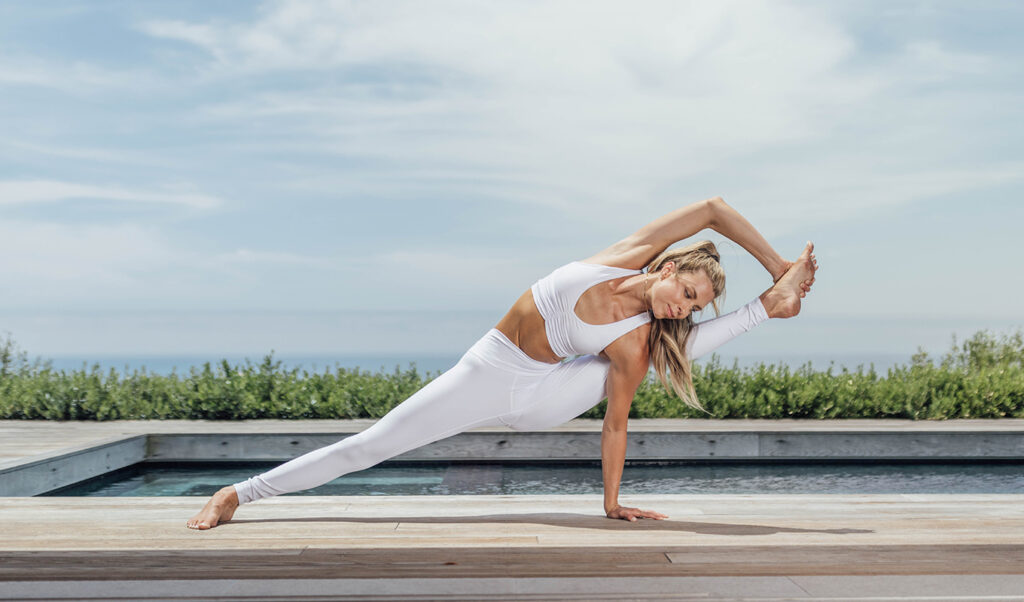
Weeks 2 to 4: Build to 15 to 20 Minutes
Add 2 to 3 minutes to your daily session each week. By the end of week four, aim to be sitting for 15 to 20 minutes daily. Research consistently shows that this duration produces the most robust long-term benefits, including the structural brain changes visible in neuroimaging studies.
Months 2 to 3: Add Informal Mindfulness
Formal sitting practice is the foundation, but informal mindfulness — bringing the same quality of attention to everyday activities — amplifies the benefits dramatically. Choose one activity per day to practise mindfully: eating lunch, washing dishes, walking to work, or any other routine task. Give it your full, undivided, non-judgemental attention. Notice textures, temperatures, sounds, flavours, sensations. This is not about doing things slowly — it is about doing them with full presence.
Month 3 and Beyond: Deepen With Retreats or Apps
After three months of consistent daily practice, consider attending a local mindfulness course (MBSR is available in most cities), using apps like Insight Timer, Waking Up, or Ten Percent Happier for guided variety, or attending a weekend meditation retreat. These deepening experiences often produce significant jumps in the quality and consistency of home practice.
Mindfulness and Yoga: A Natural Partnership
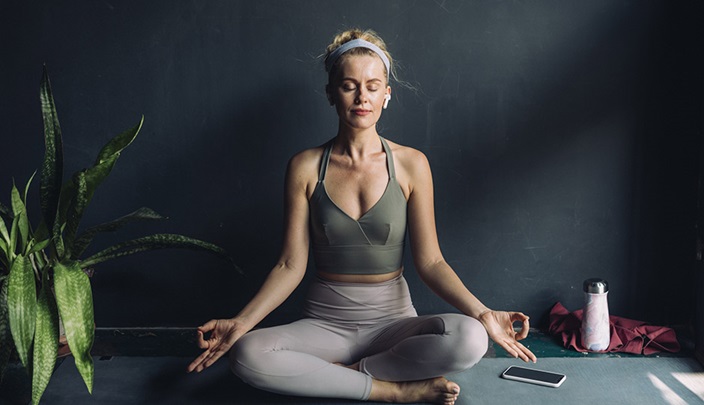
Yoga and mindfulness meditation are not separate practices that happen to be popular at the same time. They are two aspects of the same ancient system of mind-body training, described in Patanjali’s Yoga Sutras as the eight limbs of yoga — of which physical postures (asanas) are only one limb, and meditation (Dhyana) is another.
Combining a physical yoga practice with seated mindfulness meditation produces benefits that neither produces fully alone: the yoga practice develops body awareness, releases the physical tension that makes sitting uncomfortable, and creates a prepared physiological state for meditation; the meditation practice deepens the quality of attention brought to the yoga practice and provides a dedicated training ground for the mind.
Begin. Today. With Whatever You Have.
You do not need a meditation cushion, a special room, a teacher, an app, a certification, or the right frame of mind. You need a chair, a timer set to 5 minutes, and the willingness to return your attention to your breath every time it wanders — which, for a beginner, may be every 5 to 10 seconds.
That is enough. That is, in fact, everything. The entire practice of mindfulness meditation for beginners fits in that single instruction: notice, and return. Everything else is just commentary. Start now. Five minutes. Your timer is waiting.
Explore more yoga and meditation guides at YogaSniff.com