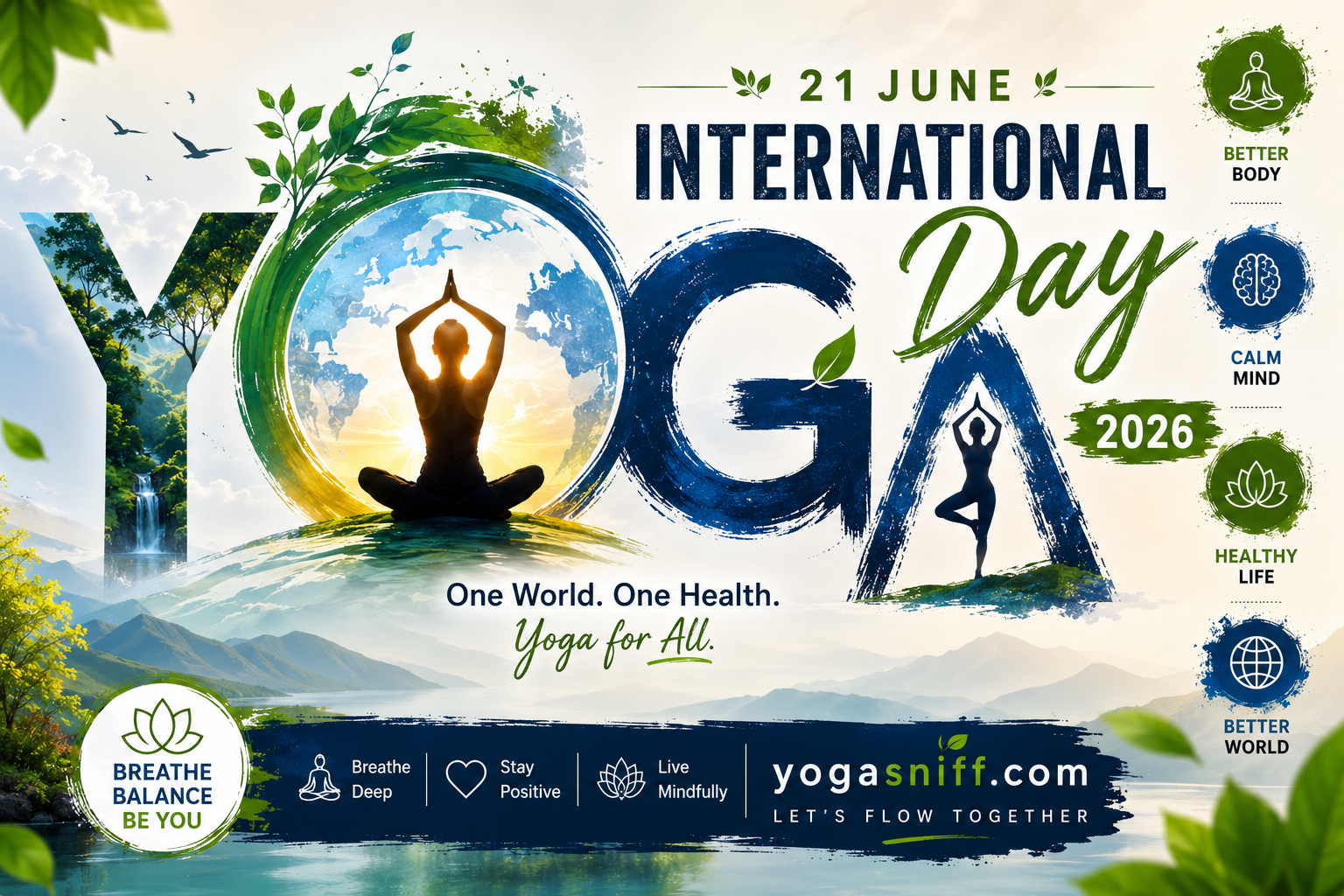


Every year on June 21st, the world pauses to celebrate International Yoga Day — a global recognition of yoga’s transformative power in fostering physical, mental, and spiritual well-being. In 2026, as we approach this 12th annual observance, the global yoga community is united under a profoundly relevant theme: “Yoga for Healthy Aging.”
- What is International Yoga Day? Understanding the Global Movement
- International Yoga Day 2026 Theme: “Yoga for Healthy Aging”
- History of International Yoga Day: From Proposal to Global Movement
- International Yoga Day 2026 Celebrations: How the World Will Celebrate
- Best Yoga Asanas for International Yoga Day 2026
- The Science-Backed Benefits of Yoga for Healthy Aging
- How to Celebrate International Yoga Day 2026: Practical Ideas
- International Yoga Day 2026: Key Dates and Information
- Why Yoga Matters More Than Ever in 2026
- Start Your Yoga Journey Today
- Conclusion
- Frequently Asked Questions About International Yoga Day 2026
This year’s celebration carries special significance. With the world’s population over 60 projected to double by 2050, yoga has emerged as one of the most powerful natural practices for maintaining vitality, cognitive clarity, and emotional resilience across the lifespan. Whether you’re 25 or 75, International Yoga Day 2026 invites you to discover how yoga can help you age with strength, dignity, and joy.
In this comprehensive guide, we’ll explore everything you need to know about International Yoga Day 2026 — from its powerful history and evolution to the specific asanas designed for healthy aging, the science-backed benefits, and practical ways to celebrate this meaningful day.
What is International Yoga Day? Understanding the Global Movement
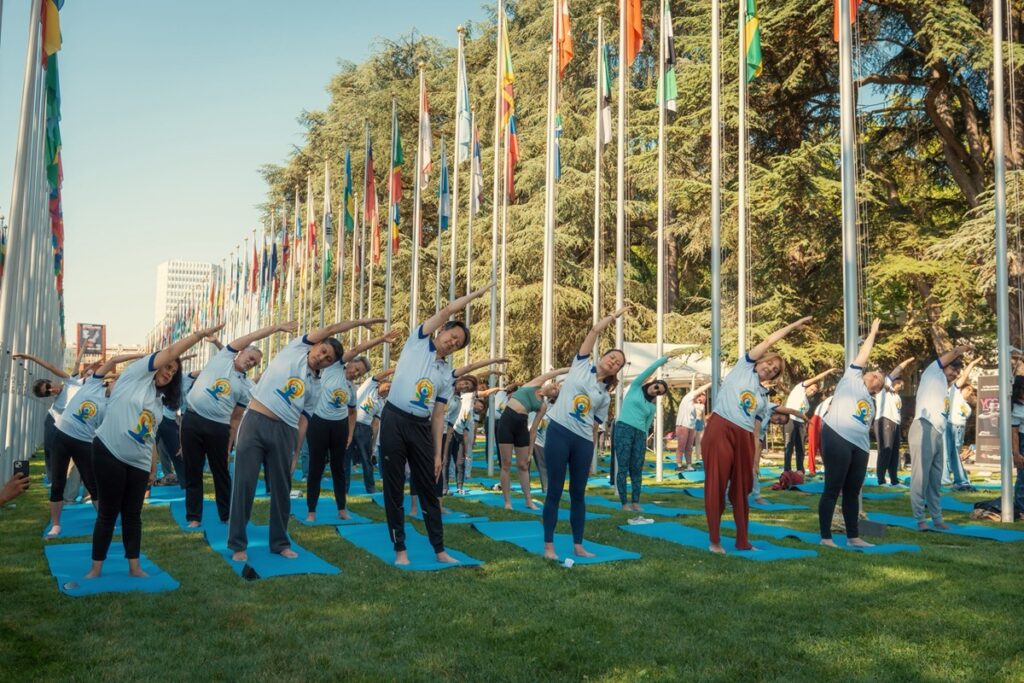
International Yoga Day is an annual, United Nations-recognized celebration dedicated to raising awareness about the multifaceted benefits of yoga practice. Observed globally on June 21st — the summer solstice, the longest day of the year in the Northern Hemisphere — it represents humanity’s collective commitment to wellness, peace, and holistic health.
The Official Recognition
On December 11, 2014, the United Nations General Assembly officially proclaimed June 21st as International Day of Yoga through General Assembly resolution A/RES/69/131. What makes this moment historically significant is the unprecedented co-sponsorship: 177 UN member states jointly introduced the resolution — the highest number of co-sponsoring countries in UN history for a wellness initiative.
This universal support reflects a global awakening to the reality that yoga transcends cultural boundaries, religious affiliations, and geographical borders. It’s a unifying practice that speaks to the deepest human needs: the desire for better health, inner peace, and meaningful connection.

Why June 21st?
The choice of the summer solstice wasn’t arbitrary. In yogic philosophy and Ayurvedic tradition, June 21st marks a significant energetic transition. It’s the longest day of the year in the Northern Hemisphere — a time when solar energy is at its peak, symbolically representing illumination, growth, and renewal.
From a practical standpoint, the summer solstice creates ideal conditions for meditation and yoga practice. In yoga traditions, this period is considered especially auspicious for beginning new spiritual and wellness practices.
International Yoga Day 2026 Theme: “Yoga for Healthy Aging”
Understanding the Theme
The official theme for International Yoga Day 2026 is “Yoga for Healthy Aging,” reflecting growing research on yoga’s role in cognition, bone health, balance, and mood across the lifespan. This theme is far more than ceremonial — it represents a pivot in how the global yoga movement addresses one of modern medicine’s greatest challenges: aging with vitality.
Why “Healthy Aging” Matters in 2026
The demographics tell a compelling story. Our world is aging faster than at any point in human history. By 2050, the global population over 60 is projected to double. This creates unprecedented interest in sustainable practices that maintain quality of life, cognitive function, and physical independence as we age.
Yoga offers something modern medicine often struggles to provide: a comprehensive, preventive approach to healthy aging that addresses the body, mind, and spirit simultaneously.
The Three Pillars of the 2026 Theme
The theme “Yoga for Healthy Aging” rests on three scientific and philosophical pillars:
1. Physical Resilience Yoga strengthens bones, improves balance, enhances flexibility, and maintains cardiovascular health — all critical factors in preventing falls, fractures, and age-related decline.
2. Cognitive Vitality Regular yoga practice preserves memory, enhances focus, and supports neuroplasticity — the brain’s ability to form new neural connections regardless of age.
3. Emotional Wellness Yoga cultivates equanimity, reduces anxiety, combats depression, and fosters the emotional resilience needed to navigate life’s transitions with grace.
History of International Yoga Day: From Proposal to Global Movement
The Birth of a Vision (2014)
The story of International Yoga Day begins with Prime Minister Narendra Modi’s historic speech at the United Nations General Assembly on September 27, 2014. In a moment that would reshape global wellness discourse, Modi called yoga “an invaluable gift of India’s ancient tradition” and proposed that the UN recognize June 21st as a dedicated day for yoga.
His proposal was revolutionary. Yoga, an ancient Indian practice thousands of years old, was being positioned not as a niche activity for spiritual seekers, but as a universal health practice relevant to all humanity.
The Resolution & Record-Breaking Support (2014-2015)
When the UN General Assembly voted on the proposal, the response was overwhelming. 177 member nations co-sponsored the resolution — a record for any wellness initiative in UN history. This unprecedented agreement signaled that governments worldwide recognized yoga’s potential to address pressing health challenges: rising obesity, mental health crises, sedentary lifestyles, and the search for sustainable, affordable wellness solutions.
The United Nations General Assembly unanimously proclaimed 21 June as the International Day of Yoga on 11 December 2014, with the resolution jointly introduced by 177 member states, marking the highest number of co-sponsoring countries ever for a UN resolution.
The First Celebration (2015) & Evolution
The first International Yoga Day was celebrated on June 21, 2015 — a modest beginning that would grow into a global phenomenon. Over the past 11 years, the celebration has evolved:
- Geographical Expansion: From primarily India-based events to celebrations in over 190 countries
- Participation Growth: From thousands of practitioners in 2015 to millions participating today
- Theme Evolution: Each year bringing new dimensions — from “Yoga for Health” to “Yoga for Peace” to “Yoga for One Earth, One Health”
- Infrastructure Development: Creation of dedicated yoga parks, training programs, and online platforms like the Yoga Sangam Portal
2026: The 12th Year Milestone
As we celebrate the 12th International Yoga Day, we’re witnessing yoga’s transformation from ancient practice to global health movement — backed by scientific research, institutional support, and millions of practitioners worldwide.
International Yoga Day 2026 Celebrations: How the World Will Celebrate
India: The Epicenter of Celebration
The main celebration for International Yoga Day 2026 will be held in Kolkata, West Bengal, with the event taking place on June 21, 2026.
India, as yoga’s birthplace, hosts the most comprehensive celebrations. In 2026, special events will take place at renowned centers including:
- Parmarth Niketan Ashram, Rishikesh: Offering guided yoga sessions in the serene surroundings where many yogic traditions originated
- Khajuraho UNESCO World Heritage Site: Where the Common Yoga Protocol — a standardized 45-minute sequence taught globally — will be performed
- Major cities across all Indian states hosting community events, workshops, and awareness campaigns
Global Participation
Across 190+ countries, celebrations include:
- In-Person Yoga Sessions: Communities gathering for group practice in parks, studios, and public spaces
- Virtual Classes: Online sessions making yoga accessible to those unable to attend in-person events
- Corporate Wellness Programs: Companies recognizing yoga’s role in employee health and productivity
- Educational Workshops: Schools and universities hosting sessions on yoga’s benefits for students
- Health Awareness Campaigns: Medical institutions highlighting yoga’s role in disease prevention and healthy aging
The Common Yoga Protocol
One beautiful aspect of International Yoga Day is the Common Yoga Protocol — a standardized 45-minute sequence taught identically worldwide. This ensures that on June 21st, millions of practitioners, regardless of their location or yoga tradition, are practicing the same sequence simultaneously — a profound symbol of global unity.
Best Yoga Asanas for International Yoga Day 2026

Asanas for Healthy Aging
Given the 2026 theme, these postures are particularly relevant. They improve balance, strengthen bones, enhance flexibility, and support the nervous system — all crucial for healthy aging.
1. Tadasana (Mountain Pose) The foundation of all standing poses, Tadasana builds stability and proper alignment. Practicing it regularly improves posture, strengthens the legs, and enhances proprioception — essential for preventing falls in aging bodies.
2. Virabhadrasana II (Warrior II) This powerful standing pose builds leg strength, opens the hips, and develops balance and focus. It’s accessible for all ages while offering the challenge needed to maintain muscular strength.
3. Trikonasana (Triangle Pose) Triangle pose stretches the hamstrings, opens the hips, and strengthens the legs. It also gently twists the spine, improving digestive health and spinal mobility — both important as we age.
4. Adho Mukha Svanasana (Downward-Facing Dog) Perhaps yoga’s most beloved pose, Downward Dog strengthens the upper body, stretches the hamstrings, and increases blood flow to the brain. It’s particularly beneficial for cognitive health and preventing osteoporosis.
5. Uttanasana (Standing Forward Fold) This calming pose stretches the entire posterior chain while gently inverting the head, which increases blood flow to the brain. It’s also deeply relaxing for the nervous system.
6. Bhujangasana (Cobra Pose) A gentle backbend that strengthens the spine, opens the chest, and improves posture. It’s particularly valuable for counteracting the forward-hunched posture many develop from sedentary lifestyles.
7. Malasana (Yogic Squat) This deeply grounding pose opens the hips, strengthens the legs, and improves balance. It’s also known to calm the nervous system and support digestive health.
8. Balasana (Child’s Pose) A restorative pose that calms the mind, gently stretches the back, and signals to the nervous system that it’s safe to rest — crucial for anyone managing stress or anxiety.
For a comprehensive guide to all yoga poses and their benefits, explore our ultimate master guide to yoga poses.
The Science-Backed Benefits of Yoga for Healthy Aging
Physical Health Benefits
Bone Density and Strength Research demonstrates that yoga practice increases bone mineral density, particularly in the spine and hips — the areas most vulnerable to fractures in aging bodies. Weight-bearing poses like Warrior II and Mountain Pose stimulate bone cells to strengthen.
Balance and Fall Prevention Falls are the leading cause of injury-related deaths among older adults. Yoga’s emphasis on balance, proprioception, and body awareness significantly reduces fall risk by improving stability and coordination.
Cardiovascular Health Regular yoga practice lowers blood pressure, reduces resting heart rate, and improves cholesterol profiles — all markers of cardiovascular health crucial for longevity.
Flexibility and Range of Motion As we age, flexibility naturally decreases. Yoga counteracts this through regular stretching, maintaining the range of motion needed for daily activities and injury prevention.
Pain Management Chronic pain conditions are common with aging. Yoga provides drug-free pain management through strengthening, stretching, and nervous system regulation. This is particularly valuable for those with arthritis — explore our guide to yoga for arthritis for specific practices.
Mental and Cognitive Benefits
Memory and Cognitive Function Studies show that yoga practitioners demonstrate better memory retention, faster processing speed, and improved attention span compared to sedentary controls. This is partly due to increased blood flow to the brain and partly due to yoga’s emphasis on mindful focus.
Mood and Emotional Health Yoga reduces anxiety, alleviates depression, and increases overall emotional resilience. The combination of physical movement, breathing practices, and meditation addresses the neurochemical factors underlying mood disorders.
Stress Reduction and Sleep Quality Yoga activates the parasympathetic nervous system — the “rest and digest” response — counteracting the chronic stress that ages us prematurely. Improved sleep quality is one of the most commonly reported benefits. For specific practices, see our guide to yoga nidra for better sleep.
Brain Plasticity Neuroimaging studies show that yoga practice increases gray matter volume in brain regions associated with learning, memory, and emotional regulation — demonstrating that the aging brain remains capable of growth and adaptation.
Spiritual and Existential Benefits
Beyond measurable physical and mental benefits, yoga offers something equally important: a sense of meaning and connection. The spiritual dimensions of yoga practice — mindfulness, self-awareness, connection to something larger than oneself — are profoundly protective factors for mental health and well-being in aging.
How to Celebrate International Yoga Day 2026: Practical Ideas
Individual Practice
1. Morning Yoga Session Wake early on June 21st and dedicate 45 minutes to the Common Yoga Protocol or your preferred sequence. Make it intentional and mindful.
2. Meditation and Pranayama Complement your asana practice with mindfulness meditation for beginners or breathwork to deepen your practice.
3. Reflective Journaling After practice, journal about your intentions for health, aging, and well-being. What does “yoga for healthy aging” mean to you personally?
4. Digital Detox Day Use International Yoga Day as an opportunity to disconnect from screens and reconnect with your body and breath.
Community Participation
1. Attend Local Events Check if your city or yoga studio is hosting International Yoga Day events. Community practice amplifies the sense of global participation.
2. Host or Facilitate a Session If you’re a yoga teacher or experienced practitioner, organize a free or donation-based yoga session in your community.
3. Invite Friends and Family Share the gift of yoga by inviting loved ones, particularly older family members, to practice with you. This is an opportunity to introduce skeptics to yoga’s benefits.
4. Social Media Sharing Share your celebration using hashtags like #InternationalYogaDay2026, #YogaForHealthyAging, and #YogaSniff to amplify the global message.
Organizational and Institutional Actions
1. Workplace Wellness Programs If you work for an organization, propose an International Yoga Day event — corporate wellness programs increasingly recognize yoga’s ROI in employee health and productivity.
2. School and University Events Educational institutions are increasingly embracing yoga. Propose International Yoga Day programs emphasizing youth wellness and stress management.
3. Healthcare Integration Healthcare providers can partner with yoga teachers to offer evidence-based yoga programs to patients, particularly those with chronic conditions.
International Yoga Day 2026: Key Dates and Information
| Aspect | Details |
|---|---|
| Date | June 21, 2026 (Friday) |
| Theme | Yoga for Healthy Aging |
| Main Event Location | Kolkata, West Bengal, India |
| Global Reach | 190+ countries |
| Common Yoga Protocol Duration | 45 minutes |
| UN Recognition | December 11, 2014 (General Assembly Resolution) |
| Co-sponsoring Nations | 177 (record for wellness initiatives) |
| Edition Number | 12th Annual Celebration |
| Inscription Status | UNESCO Intangible Cultural Heritage (2016) |
Why Yoga Matters More Than Ever in 2026
We live in a world of paradox. Never have we had more access to information about health, yet anxiety and lifestyle diseases continue rising. We have technology to connect globally, yet loneliness and isolation increase. We live longer, yet struggle with the question of how to live well.
Yoga addresses these paradoxes by offering something our modern world desperately needs: integration. It integrates body and mind, individual and community, ancient wisdom and modern science, effort and ease.
International Yoga Day 2026, with its focus on healthy aging, acknowledges a profound truth: aging isn’t something to resist or fear, but something to navigate with wisdom, strength, and grace. Yoga is the practice that makes this possible.
Whether you’re 20 or 80, International Yoga Day invites you to step onto your mat, breathe deeply, and join millions worldwide in affirming that another way is possible — a way of living that honors both the body’s needs and the spirit’s yearning.
Start Your Yoga Journey Today
If you’re new to yoga or looking to deepen your practice, we have resources for every stage:
- Beginner Yoga Guide: Perfect starting point with foundational knowledge
- Guided Yoga Plans: Structured routines for specific goals
- Yoga for Daily Life: Integration yoga into your everyday routine
- Meditation for Beginners: Complementary practice to deepen mindfulness
International Yoga Day 2026 is the perfect opportunity to begin or recommit to a practice that could transform the next chapters of your life.
Conclusion
International Yoga Day 2026 celebrates something profound: the recognition that yoga is humanity’s gift to itself. For over 5,000 years, yoga has offered a pathway to health, peace, and self-realization. The fact that the United Nations, representing virtually every nation on Earth, has formally recognized this practice demonstrates its universal relevance.
As you approach June 21st, consider: What does “yoga for healthy aging” mean to you? How might a consistent yoga practice change not just how you age, but how you live right now?
The invitation is open. The mat is waiting. Your practice — your contribution to this global movement toward wellness, wisdom, and world peace — begins now.
Frequently Asked Questions About International Yoga Day 2026
Q: What time should I practice yoga on International Yoga Day 2026? A: The Common Yoga Protocol is taught globally, so you can practice anytime on June 21st. Many events begin in the early morning to align with the sunrise and the auspicious energy of the summer solstice.
Q: Do I need to be experienced to participate in International Yoga Day celebrations? A: Absolutely not. International Yoga Day welcomes practitioners of all levels, from complete beginners to advanced yogis. Many events offer modifications and beginner-friendly classes.
Q: Can I celebrate International Yoga Day online? A: Yes, many studios and organizations offer virtual classes on June 21st. Check the Yoga Sangam Portal for registered events in your area.
Q: How does yoga specifically support healthy aging? A: Yoga maintains bone density, improves balance, strengthens muscles, preserves cognitive function, reduces anxiety and depression, and promotes emotional resilience — all crucial factors in aging well.
Q: What if I have health conditions or limitations? A: Yoga can be adapted for virtually any condition. Consider working with a qualified yoga teacher who understands your specific needs. Always consult your healthcare provider before beginning a new practice.
Q: Is yoga a religion? A: Yoga’s spiritual roots are in Hindu and Buddhist traditions, but the practice itself is secular and adaptable. You can practice yoga regardless of your religious beliefs — many traditions have integrated yoga into their wellness practices.