

If you found this guide, you are likely sceptical. Yoga seems soft. Yoga seems designed for other people. The images of yoga in mainstream media do not look like you, and the language used to describe it often feels distant from how men typically talk about fitness goals. That scepticism is both understandable and increasingly irrelevant — because the results yoga produces for men focused on weight loss, body composition, and functional strength are now impossible to ignore.
LeBron James, Andy Murray, Kevin Love, and dozens of NFL teams have made yoga a cornerstone of their training programmes. The reason is simple: yoga builds the flexibility, core strength, balance, and stress management that makes everything else better. And for men specifically trying to lose weight, yoga offers three things that conventional gym training often misses: cortisol management, metabolic efficiency improvement, and the kind of deep abdominal core strength that actually changes body composition.
Why Yoga Works for Male Fat Loss — The Physiology
Cortisol Is the Enemy of Male Fat Loss
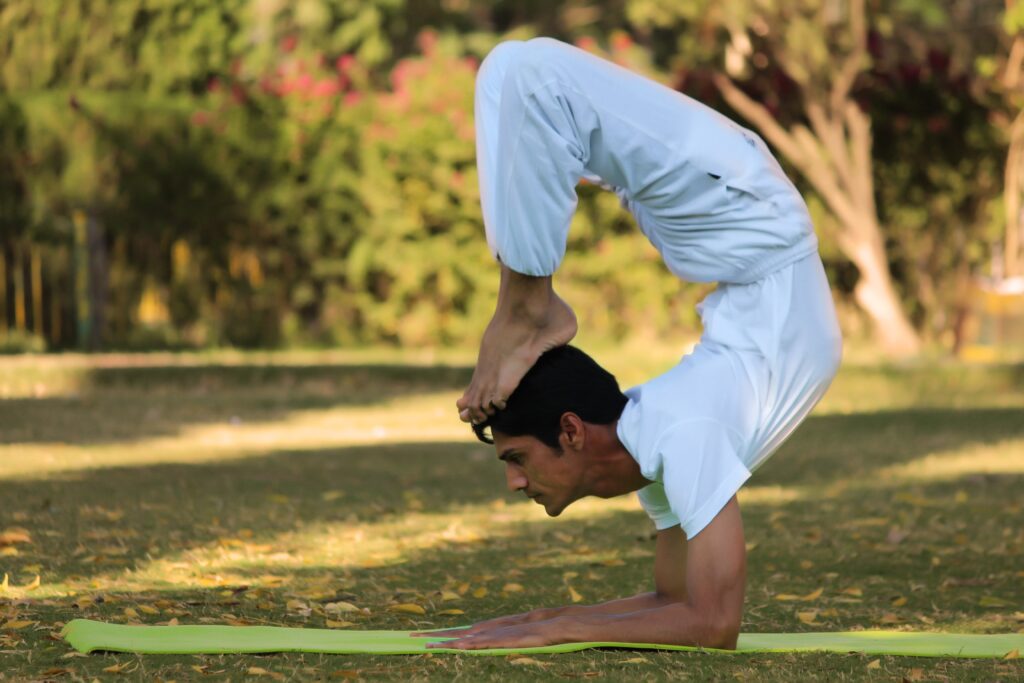
Cortisol — the primary stress hormone — is the single most underappreciated factor in male weight management. Elevated cortisol directly causes fat storage, particularly around the abdomen — the classic “stress belly” seen in men who train intensely but remain stuck with stubborn central fat. High-intensity training, caloric restriction, and chronic work stress all elevate cortisol further, creating a physiological environment that actively resists fat loss regardless of calorie deficit.
Yoga is one of the most effective cortisol-lowering interventions available. Multiple studies show significant reductions in salivary cortisol after yoga practice, and regular practitioners show meaningfully lower baseline cortisol levels than non-practitioners. Lowering cortisol changes the hormonal environment in the body in ways that directly facilitate fat loss: testosterone rises (as cortisol and testosterone are inversely related), insulin sensitivity improves, and the body stops clinging to abdominal fat as a stress buffer.

Testosterone Optimisation
Testosterone is the primary hormone governing male body composition — muscle building, fat burning, and energy levels. The most powerful yoga practice for testosterone optimisation combines: strength-building poses that produce hormonal stimulus (Plank, Warrior sequences, Chaturanga), cortisol reduction (which allows testosterone to rise), and sleep quality improvement (testosterone is synthesised primarily during deep sleep, and yoga significantly improves sleep quality).
Metabolic Efficiency
Yoga builds lean muscle mass — particularly in the core, glutes, shoulders, and arms — which increases basal metabolic rate. The more lean muscle you carry, the more calories you burn at rest. Power yoga, hot yoga, and vigorous Vinyasa sequences produce caloric expenditures of 300 to 500 calories per 60-minute session — comparable to moderate aerobic exercise.

The Best Yoga Styles for Male Weight Loss
Power Yoga / Vinyasa Flow
The highest-calorie-burning yoga style. Dynamic, physically demanding, and structured around fluid transitions between standing strength poses. This is the closest yoga equivalent to a gym circuit workout and is the most immediately comfortable entry point for men with a conventional fitness background. Expect genuine muscle fatigue in the arms, core, and legs.
Hot Yoga — Bikram or Hot Vinyasa
Adds the thermal challenge of a heated room to the physical practice, significantly increasing caloric expenditure and cardiovascular demand. The mental resilience benefits of hot yoga — the ability to stay focused and composed under physical stress — are particularly transferable to male performance goals. See our complete overview of hot yoga benefits for the full research picture.
Yin Yoga — The Recovery Tool
For men who train intensively, Yin yoga for flexibility is not a soft option — it is a necessary recovery and injury prevention tool. The deep fascial work of Yin yoga maintains the hip, hamstring, and thoracic mobility that high-repetition strength training progressively restricts.
The Complete Male Weight Loss Yoga Routine

Morning Metabolic Activator — 20 Minutes (Daily)
This sequence builds heat, activates the endocrine system, and sets testosterone-supporting hormonal conditions for the day. Perform each component at a pace that is challenging but controlled:
- 5 rounds of Sun Salutation B — the most complete full-body warm-up available
- Warrior I — 90 seconds each side
- Warrior II — 90 seconds each side
- Plank — 60 seconds
- Chaturanga push-ups — 10 repetitions
- Chair Pose — 60 seconds
- 3 minutes Kapalabhati pranayama — fires up the metabolism for the morning
Strength and Burn Flow — 45 Minutes (3 times per week)
This is your core yoga for weight loss session. The sequence is structured to maintain elevated heart rate while building functional strength:
- Warm-up (5 min): 3 Sun Salutation A rounds + Cat-Cow
- Standing strength block (15 min): Warrior I, II, III, Crescent Lunge, Chair, Eagle — 90 seconds each, flowing between
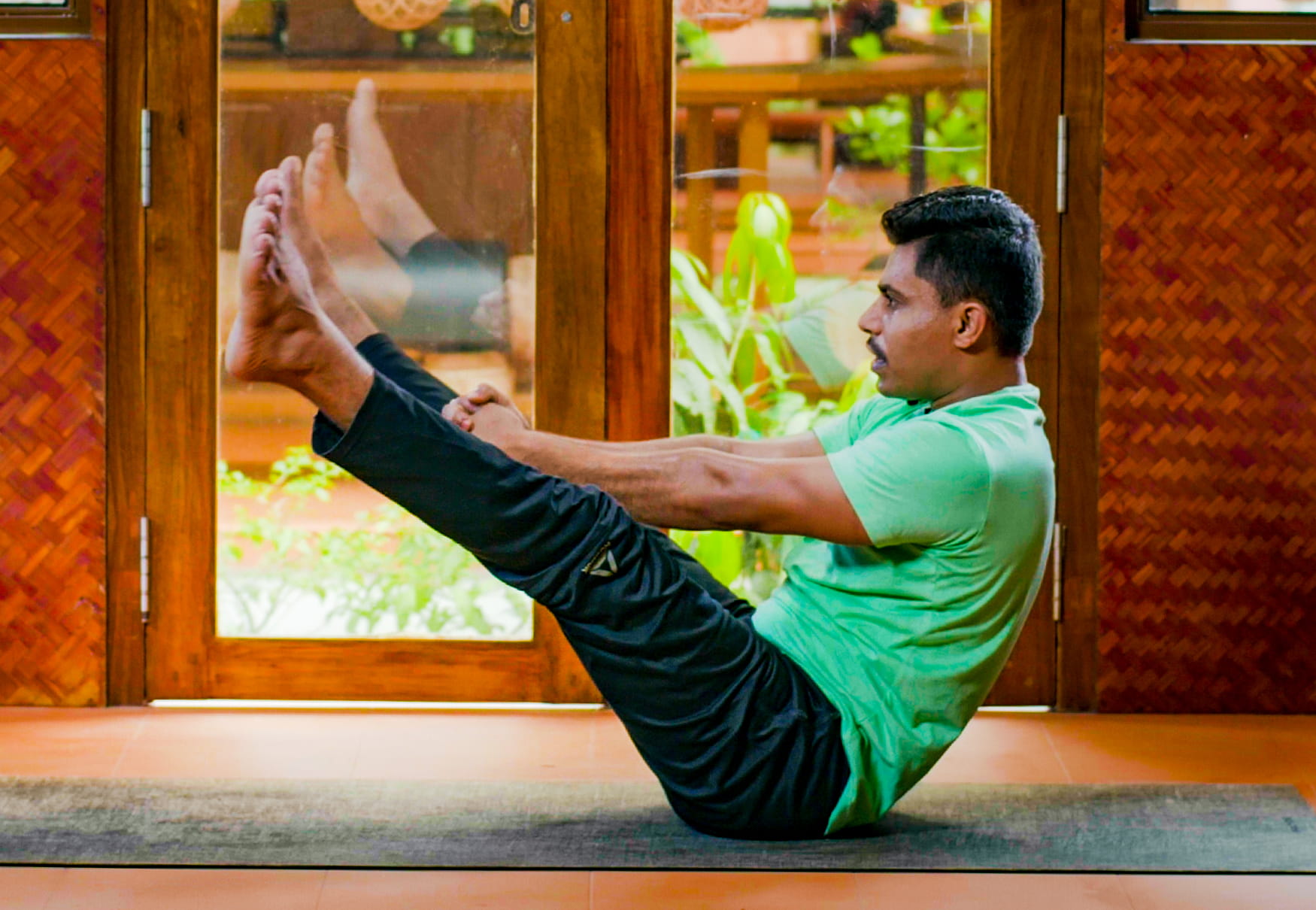
- Core block (10 min): Plank (90 sec), Side Plank (60 sec each side), Boat Pose (5 x 30 sec), Crow Pose attempt
- Balance and integration (10 min): Tree, Warrior III, Half Moon
- Cool-down (5 min): seated forward fold, supine twist, Savasana
Active Recovery — Yin Session (2 times per week)
On days between strength sessions, this 45-minute Yin sequence addresses the mobility restrictions that accumulate from training and supports overnight recovery and testosterone synthesis:
- Dragon Pose: 4 min each side (hip flexors and quadriceps)
- Sleeping Swan: 4 min each side (piriformis and outer hip)
- Supported Bridge with block: 5 min (hip flexor opening and thyroid stimulation)
- Caterpillar: 5 min (full posterior chain)
- Supine Twist: 3 min each side
- Legs Up the Wall: 10 min (testosterone synthesis support, recovery optimisation)
Nutrition: What to Eat to Maximise Yoga-Based Fat Loss
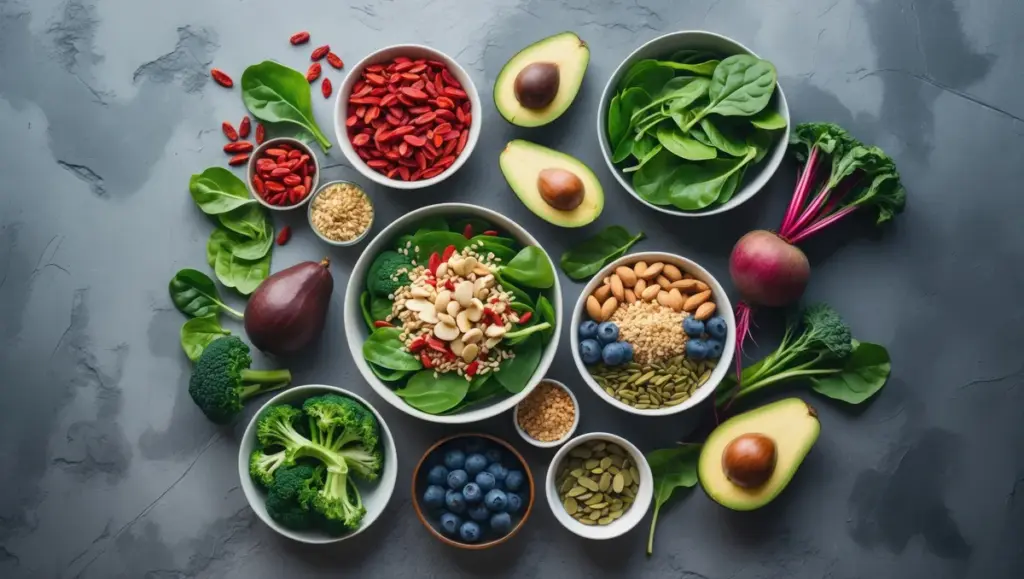
Yoga-based weight loss works best when combined with a nutritional approach that matches its hormonal goals: primarily, reducing cortisol and insulin spikes while supporting testosterone. Practical principles include:
- Protein at every meal: 1.6 to 2.2g per kilogram of body weight to support muscle retention during fat loss
- Reduce refined carbohydrates and sugar: the primary drivers of insulin resistance that hot yoga and Yin yoga are working to correct
- Prioritise sleep: 7 to 9 hours is non-negotiable for testosterone production; yoga significantly improves sleep quality, creating a virtuous cycle
- Time practice before eating: morning yoga on an empty stomach maximises fat oxidation
Tracking Your Progress Beyond the Scales
The scales are a poor measure of body composition change, particularly for men adding muscle through yoga’s strength demands. Track: waist circumference (the most reliable proxy for visceral fat reduction), resting heart rate (improving cardiovascular fitness), sleep quality, energy levels, and strength in key poses. Combine this tracking with our guide to yoga discipline and consistency to build the habit framework that makes results inevitable.
Discover more expert yoga guides at YogaSniff.com