

If you’ve been stretching for years and still can’t touch your toes, the problem probably isn’t your muscles. It’s your fascia — and no amount of fast, vigorous stretching will change it. This is where Yin yoga for flexibility comes in, and why it’s become one of the most searched and practised yoga styles among people who truly want to change their body.
- The Fascial Science Behind Yin Yoga and Deep Flexibility
- Yin Yoga vs. Yang Yoga: Understanding the Difference
- The 10 Best Yin Yoga Poses for Full-Body Flexibility
- How to Build a Weekly Yin Yoga Practice for Maximum Flexibility
- Common Mistakes That Slow Your Flexibility Progress
- The Long Game: What Consistent Yin Yoga Does to Your Body
Yin yoga targets the deep connective tissue — fascia, ligaments, tendons, and joint capsules — that conventional stretching and dynamic yoga largely ignore. By holding poses for extended periods (typically 3 to 5 minutes or longer), Yin yoga creates lasting structural change in the body that is simply not possible through shorter holds. This guide explains exactly how it works, which poses are most effective for whole-body flexibility, and how to build a practice that delivers real, lasting results.
The Fascial Science Behind Yin Yoga and Deep Flexibility
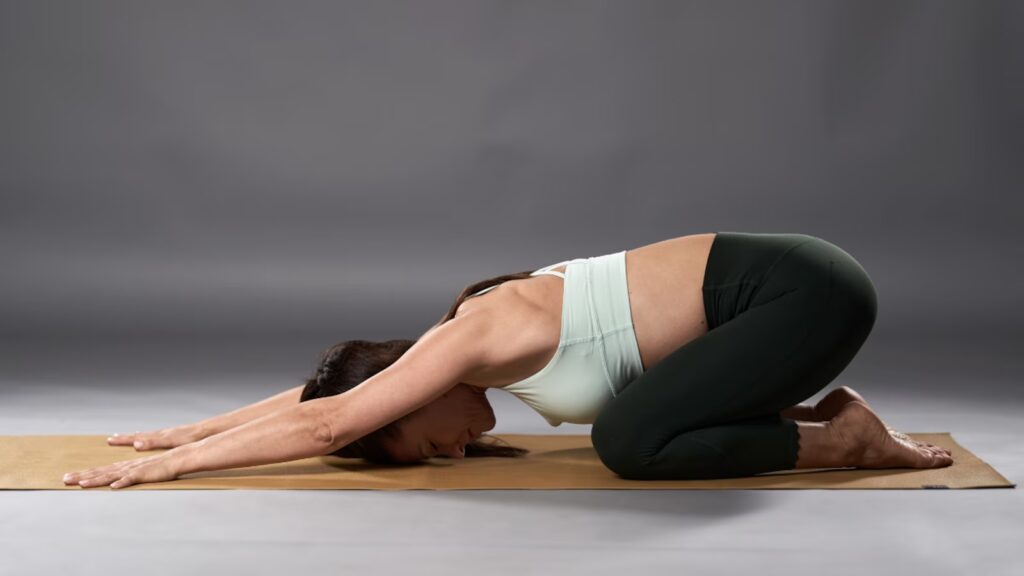
For decades, flexibility training focused almost exclusively on muscle lengthening. Stretch the muscle, hold for 30 seconds, release. This approach has merit — but it addresses only part of the picture.
Muscles are surrounded by and woven through a web of connective tissue called fascia. Fascia is a dense, collagen-rich matrix that gives your body its shape, transmits force between muscles, and — crucially for flexibility — can become stiff, adhesed, and restricted through a combination of age, inactivity, injury, dehydration, and chronic stress.
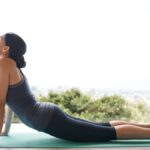
Fascia has different mechanical properties from muscle. While muscles respond well to short, rhythmic stretches, fascia requires sustained, gentle, long-duration loading to remodel. Research in fascia science has shown that collagen fibres in fascia begin to realign and reorganise under sustained stress loads — but only when that stress is applied for a minimum of 90 to 120 seconds. Most traditional stretching falls well short of this threshold.
This is why Yin yoga for flexibility works: holds of 3 to 5 minutes (and sometimes longer) apply exactly the right duration of stress to begin remodelling fascia, increasing joint range of motion, and creating deep, lasting flexibility changes.
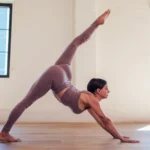
Yin Yoga vs. Yang Yoga: Understanding the Difference
Most yoga styles — Vinyasa, Ashtanga, Power Yoga, Hot Yoga — are what Yin yoga founder Paul Grilley calls ‘Yang’ yoga. They are dynamic, muscularly active, and work primarily with the yang tissues of the body: muscles, blood, skin.
Yin yoga works with the yin tissues: fascia, ligaments, tendons, bones, and joints. In Yin yoga, the muscles are deliberately kept relaxed — even when this feels counterintuitive — so that the stretch reaches the deeper layers of connective tissue underneath.
This is why Yin yoga for flexibility often feels uncomfortable in a different way from active yoga. The sensation is not muscular burning — it’s a deep, diffuse, sometimes intense pressure in the joints and connective tissue. Learning to breathe into this sensation (rather than muscling through it or backing away entirely) is central to the practice.
The 10 Best Yin Yoga Poses for Full-Body Flexibility

1. Dragon Pose (Deep Hip Flexor and Quad Stretch) — 4 minutes each side
Come into a low lunge with your back knee down. Sink your hips low. Keep your front shin relatively vertical. To deepen, walk your front foot to the outer edge of your mat and bring both hands inside the front foot. This intensely targets the hip flexors, psoas, and front thigh — areas of massive restriction in anyone who sits for extended periods.

2. Sleeping Swan (Piriformis and Outer Hip) — 4 minutes each side
From all fours, bring your right knee behind your right wrist, letting your shin angle across the mat. Extend your left leg straight behind you. Lower your torso forward over your front leg and rest on your forearms or forehead. This is the Yin version of Pigeon pose, and it is the most effective single pose for releasing the piriformis and outer hip — the muscles most associated with lower back pain and sciatica.
3. Butterfly (Inner Thighs and Lower Back) — 5 minutes
Sit with the soles of your feet together, knees falling wide. Let your feet move further from your hips than in Bound Angle — about 50 to 60 cm. Round your spine and fold forward, letting your head hang heavy. Don’t try to lengthen the spine here — the rounded spine is intentional, targeting the fascia along the posterior chain.
4. Caterpillar (Full Posterior Chain) — 5 minutes
Sit with both legs extended in front of you. Round forward completely, holding your feet, ankles, or shins — whatever is accessible. Allow your spine to curve naturally rather than trying to stay straight. This pose targets the entire posterior chain from heel to skull, including the hamstrings, calf fascia, lower back, and thoracic spine.
5. Saddle Pose (Quadriceps and Ankles) — 3 to 5 minutes
Kneel with your knees together or hip-width apart, then sit back between your feet. You can stay upright, lean back on your hands, or (with sufficient flexibility) recline fully onto your back. This is an intense quadriceps and ankle stretch — perhaps the most intense in Yin yoga. Never force this pose. Use as many props as needed.
6. Square Pose (Deep Hip External Rotation) — 4 minutes each side
Sit with your shins stacked — left shin in front, right shin behind, both parallel. The front foot aligns below the right knee; the back foot below the left knee. Fold forward. This is highly effective for increasing hip external rotation and opening the IT band and outer hip chain.
7. Sphinx and Seal (Lumbar Spine Extension) — 4 minutes
Lie on your belly and rise onto your forearms (Sphinx) or straight arms (Seal). This pose compresses the lumbar spine to stimulate the spinal discs and stretch the hip flexors and abdominal fascia. It is often recommended for people with flat lower backs or anterior pelvic tilt.
8. Twisted Roots (Thoracic Spine and IT Band) — 4 minutes each side
Lie on your back with knees bent, then let them fall to the right while you extend your arms to the left. Turn your head gently in the opposite direction of your knees. This passively rotates the thoracic spine, opening the intercostal fascia (between the ribs) and stretching the IT band of the raised hip.
9. Deer Pose (Hip Internal and External Rotation Together) — 4 minutes each side
Sit with your right leg bent in front of you (as in square pose) and your left leg bent behind you in a Z-shape. This unique pose addresses both internal and external hip rotation simultaneously, providing one of the most complete hip flexibility stretches available.
10. Supported Fish (Thoracic Extension and Chest Opening) — 5 minutes
Place a bolster, rolled blanket, or two yoga blocks under your upper back. Lie over the support, letting your arms fall open to the sides. This opens the anterior chest fascia and pectoral muscles — commonly restricted in anyone who works at a computer or carries stress in the upper body.
How to Build a Weekly Yin Yoga Practice for Maximum Flexibility

For meaningful flexibility gains, aim for three Yin yoga sessions per week. A full session typically lasts 60 to 75 minutes, covering all the major joint areas.
- Day 1 – Lower Body Focus: Dragon, Sleeping Swan, Butterfly, Caterpillar, Saddle
- Day 2 – Upper Body and Spine Focus: Supported Fish, Sphinx, Twisted Roots, Thread the Needle, Melting Heart
- Day 3 – Full Body Flow: Square, Deer, Dragon, Caterpillar, Twisted Roots, Savasana
Common Mistakes That Slow Your Flexibility Progress
- Muscling through the poses: The muscles must be soft and passive. Active muscle engagement prevents the stretch from reaching the fascia.
- Not using props: Bolsters, blocks, and blankets are essential tools, not signs of weakness. They allow you to hold poses for longer in good alignment.
- Skipping Savasana: The rebound period after each pose (30 to 60 seconds of stillness) is when the fascia resets and the nervous system integrates the stretch.
- Expecting immediate results: Fascial remodelling is a slow process. Allow at least 6 to 8 weeks of consistent practice before judging your progress.
The Long Game: What Consistent Yin Yoga Does to Your Body
After 8 to 12 weeks of consistent Yin yoga practice, most people report: significantly improved range of motion in the hips and spine; reduced chronic lower back pain; better posture; improved athletic performance through greater joint mobility; decreased joint stiffness, especially in the morning; and a marked reduction in exercise-related injury rates.
Yin yoga for flexibility is not about becoming a contortionist. It is about reclaiming the natural range of motion your body had before years of sitting, stress, and protective bracing took it away. The time you invest in stillness on the mat will pay dividends in everything you do off it.
Explore more yoga and meditation guides at YogaSniff.com