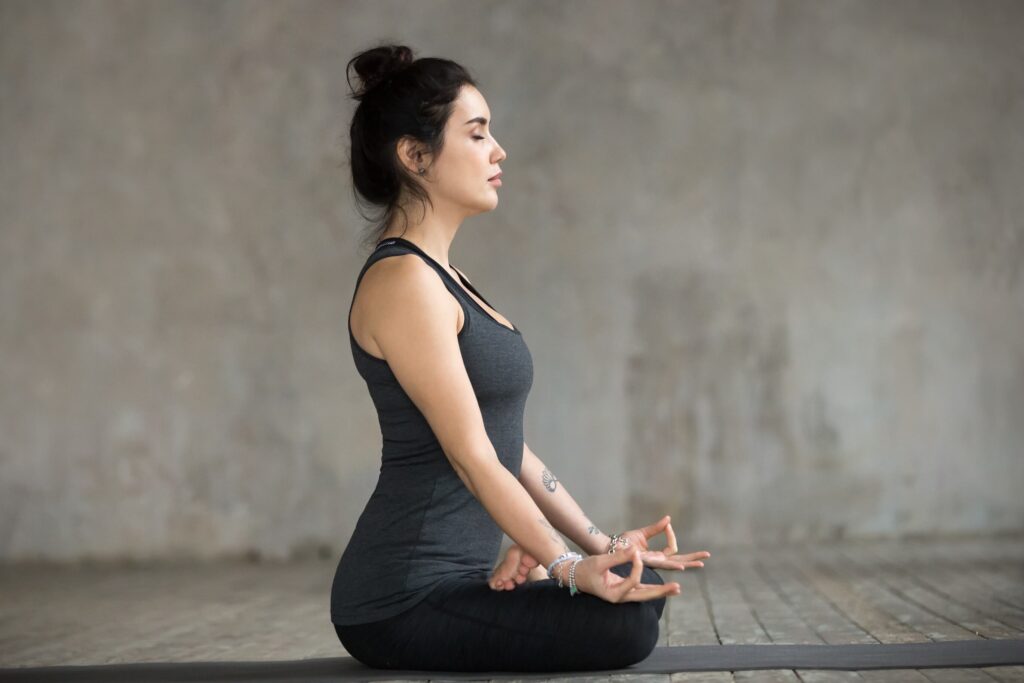


It is 7 AM. Your alarm has gone off twice. You drag yourself to the kitchen, brew a coffee, and wait for the caffeine to kick in before your brain fully powers on. This is the morning ritual of millions of people worldwide — and while there is nothing inherently wrong with coffee, it is worth knowing that one of the most powerful natural energy systems available to you requires no beans, no machine, no queue, and zero calories. It is your breath.
Pranayama — the ancient yogic science of breath control — has been used for over 5,000 years to direct, amplify, and regulate the body’s vital energy (called ‘prana’ in Sanskrit). Modern physiology now explains exactly how these practices work: by altering blood oxygen and CO2 levels, activating different branches of the autonomic nervous system, stimulating the brain’s reticular activating system (your alertness centre), and directly influencing neurotransmitter release.
This guide covers seven of the most effective pranayama techniques for energy — from immediate high-voltage practices that wake you up in under two minutes, to subtler practices that sustain mental clarity and vitality across an entire day.
Why Pranayama Boosts Energy: The Science
Energy in the physiological sense is inseparable from oxygen. Every cell in your body produces ATP (cellular energy) through aerobic respiration — a process that depends entirely on oxygen availability. Yet most people breathe only into the upper third of their lungs, using a fraction of their respiratory capacity. Shallow chest breathing means chronic mild oxygen deficiency at the cellular level, which manifests as fatigue, brain fog, low motivation, and poor concentration.
Energising pranayama techniques work by rapidly increasing the tidal volume and efficiency of breathing, flushing the blood with fresh oxygen while expelling accumulated CO2, and stimulating the sympathetic nervous system in a controlled, beneficial way — producing alertness and vigour without the anxiety spike or subsequent crash that caffeine can cause.
Additionally, certain pranayama practices stimulate the vagus nerve and the hypothalamus in ways that directly increase the release of norepinephrine and dopamine — the brain’s primary alertness and motivation neurotransmitters.

7 Pranayama Techniques for Energy
1. Kapalabhati — Skull-Shining Breath (The Powerhouse)
Best for: Immediate, intense energy and mental clarity. Duration: 3 to 5 minutes.
Kapalabhati is perhaps the most dramatic pranayama technique for energy. The name translates as ‘skull-shining’ — referring to the luminous mental clarity it produces. Sit upright in any comfortable position. Take a deep inhale. Then begin rapid, forceful exhales through the nose, driven by sharp contractions of the lower belly. The inhale happens passively and automatically between each exhale. Begin at one exhale per second for 30 repetitions. Rest and breathe normally for 30 seconds. Repeat three rounds, gradually building to 60 and then 108 repetitions per round over several weeks.
Kapalabhati generates intense internal heat, massages the abdominal organs, clears stale air from the lower lobes of the lungs, and produces a dramatic increase in mental alertness within minutes. Many experienced practitioners report that three rounds of Kapalabhati provide more sustainable mental energy than a double espresso — without the jitteriness or midday crash. Important: avoid during pregnancy, menstruation, or if you have high blood pressure, heart conditions, or epilepsy.
2. Bhastrika — Bellows Breath (The Energiser)
Best for: Rapid energy surge before exercise or an important task. Duration: 2 to 3 minutes.

Bhastrika is often confused with Kapalabhati, but it is distinct: in Bhastrika, both the inhale and the exhale are active and forceful (like a blacksmith’s bellows), while in Kapalabhati only the exhale is active. Sit upright. Inhale forcefully through the nose, expanding the chest fully. Immediately exhale forcefully through the nose, contracting the chest. Continue in a rhythmic, equal-intensity pumping pattern at a pace of about one complete breath every two seconds. Do 20 repetitions, then inhale fully, hold briefly, and exhale completely. Rest. Repeat two more rounds.
Bhastrika dramatically increases oxygenation of the blood, stimulates the adrenal glands, and activates the sympathetic nervous system in a clean, controlled way. It is excellent before physical exercise, presentations, or any situation where you need rapid energy mobilisation. Like Kapalabhati, it is contraindicated in pregnancy and cardiovascular conditions.
3. Surya Bhedana — Right Nostril Breathing (The Solar Activator)
Best for: Gentle, sustained energy without overstimulation. Duration: 5 to 10 minutes.
In yogic tradition, the right nostril is associated with the solar (masculine, active, heating) energy of the body. Modern research has found that right nostril breathing specifically activates the left hemisphere of the brain — associated with logical thinking, language, and focused analytical processing — and increases sympathetic nervous activity. Close your left nostril with your right ring finger. Breathe slowly and fully in and out through the right nostril alone. Maintain the breath for 5 to 10 minutes.
Unlike Kapalabhati or Bhastrika, Surya Bhedana produces a gentler, more sustained energy lift. It is ideal for mornings when you need to be alert but calm — before detailed work, study sessions, or any activity requiring focused mental clarity over an extended period.
4. Sama Vritti with Retention — Equal Ratio Breathing with Kumbhaka
Best for: Mental energy, focus, and concentration. Duration: 5 to 10 minutes.
Sama Vritti means ‘equal fluctuation’ — breathing in a perfectly equal ratio. Inhale for 4 counts. Hold (Kumbhaka) for 4 counts. Exhale for 4 counts. Hold (Bahya Kumbhaka — external retention) for 4 counts. The breath retentions are the key: holding the breath after the inhale dramatically increases blood oxygen saturation and CO2 tolerance, while the hold after the exhale triggers a mild adrenaline response and heightens alertness. Over time, extend the count to 6 or 8. This practice builds the capacity for sustained, calm mental energy — the kind needed for deep work, creative thinking, or extended study.
5. Ujjayi — Victorious Breath (The Sustained Energy Hack)
Best for: Maintaining energy during yoga, exercise, or long tasks. Duration: Continuous during activity.
Ujjayi — the ‘ocean breath’ — is created by slightly constricting the back of the throat on both inhale and exhale, producing a gentle rushing sound. This constriction slows and deepens the breath, increases intrathoracic pressure (which stimulates baroreceptors that regulate heart rate and alertness), and generates internal heat. Unlike the other techniques in this list, Ujjayi is practised continuously during activity — during yoga flows, walking, cycling, or any sustained physical task. It acts as an ongoing energy management tool, preventing the energy drain that occurs when breathing becomes shallow and inefficient under physical exertion.
6. Sitali — Cooling Breath (The Afternoon Slump Remedy)
Best for: Combating the post-lunch energy dip without caffeine. Duration: 3 to 5 minutes.
While most pranayama energy techniques work by generating heat and activating the sympathetic system, Sitali works differently — by cooling the body and refreshing the nervous system in a way that revives flagging energy. Roll your tongue lengthwise into a tube (if you cannot roll your tongue, use Sitkari instead: press the teeth together lightly and inhale through the gaps). Inhale through the rolled tongue, feeling the cool air. Close the mouth and exhale through the nose. Repeat for 3 to 5 minutes. The cooling effect on the oral mucosa and the resulting physiological responses produce a surprisingly effective refresh — particularly useful for the 2 to 3 PM post-lunch slump when most people reach for another coffee.
7. Nadi Shodhana with Energy Ratio — Advanced Alternate Nostril Breathing
Best for: Balancing and sustaining energy across the whole day. Duration: 10 to 15 minutes.
Standard Nadi Shodhana (alternate nostril breathing) balances the nervous system. Adding an energising ratio — inhale for 4, hold for 8, exhale for 4, hold for 2 — shifts the practice toward energy generation while maintaining balance. The extended internal retention (Antara Kumbhaka) of 8 counts significantly boosts oxygen saturation and stimulates the brain’s alerting networks, while the balanced alternation between nostrils prevents the overstimulation that purely activating techniques can produce. This is the ideal pranayama for energy for people who need to be alert, focused, and even-keeled for extended periods — students, executives, healthcare workers, and creatives.
Building Your Pranayama for Energy Morning Routine
The most effective approach is to combine two to three of these techniques in a morning sequence of 10 to 15 minutes, immediately upon waking — before checking your phone, before coffee, before anything else. Here is a recommended starter sequence:
- 3 minutes Kapalabhati (to clear overnight stagnation and fire up the system)
- 5 minutes Surya Bhedana (to sustain and channel the energy just generated)
- 5 minutes Sama Vritti with Kumbhaka (to focus the mind and set mental intention for the day)
After 21 days of this practice, most people report that they no longer need caffeine to feel alert in the morning — and that their baseline energy levels throughout the day are measurably higher than before. This is not placebo. The autonomic nervous system genuinely resets its baseline with consistent breathwork practice.
Important Safety Guidelines
- Always practise pranayama on an empty stomach (minimum 2 hours after eating)
- Stop immediately and return to normal breathing if you feel dizzy, faint, or develop tingling in the extremities
- Pregnant women should avoid Kapalabhati, Bhastrika, and any breath retentions
- People with high blood pressure should avoid forceful practices and breath retentions until cleared by their doctor
- Start slowly — one practice at a time — rather than jumping into all seven at once
Your Energy Was Always Inside You
The fatigue that most people accept as normal is not inevitable. Much of it is the accumulated result of years of shallow, unconscious breathing — a habit so deeply ingrained that most people don’t even notice it. Pranayama for energy is not about adding something artificial to your system. It is about removing the habitual restrictions that have been suppressing your natural vitality all along.
Give these seven practices an honest 30-day trial. Use them before you reach for that second coffee. Notice what changes. The ancient yogis did not have espresso machines — they had something far more powerful: complete mastery of their breath. That same mastery is available to you, every single morning, completely free.
Explore more yoga and meditation guides at YogaSniff.com