
If you’ve ever felt unexplained lower back pain, tight hips, or discomfort when sitting too long, there’s a good chance your psoas muscle is involved. As of 2026, physical therapists report that over 70% of sedentary workers experience some degree of hip flexor tightness due to long sitting hours — and the psoas muscle is often the culprit. The surprising part? Many people don’t even know where the psoas is located or how much it affects everyday movement.
The good news is this: psoas stretching and release techniques can dramatically improve hip mobility, reduce back pain, support athletic performance, and improve posture. In this comprehensive guide, you’ll learn what the psoas is, why it becomes tight, how to properly perform a psoas stretch, and how to fix common tightness symptoms safely.
By the end of this article, you’ll understand exactly how a psoas stretch works, which stretches are most effective, how often to do them, and when to seek professional help. If you’ve tried random hip flexor stretches on YouTube without results, you’re going to finally understand why — and how to do it right.
Quick Answer Box: What is a Psoas Stretch?
A psoas stretch is a targeted mobility exercise that lengthens the iliopsoas muscle group to relieve tightness and improve hip mobility.
Benefits of a psoas stretch include:
- Reduces lower back & hip pain
- Improves hip extension & posture
- Relieves tension caused by prolonged sitting
- Enhances athletic performance
- Supports better pelvic alignment
A proper psoas stretch involves extending the hip joint with a neutral spine — not just arching the lower back.
Table of Contents
- What is the Psoas Muscle?
- Why the Psoas Becomes Tight
- Symptoms of a Tight Psoas
- Best Psoas Stretches (Step-by-Step)
- Psoas Release Techniques & Tools
- Psoas Stretch vs. Hip Flexor Stretch: Key Differences
- How Often Should You Stretch the Psoas?
- Athletes, Sitters & Yogis: Special Considerations
- Professional Treatments for Chronic Psoas Tightness
- FAQ (People Also Ask)
- Conclusion
- References & Sources
What is the Psoas Muscle?
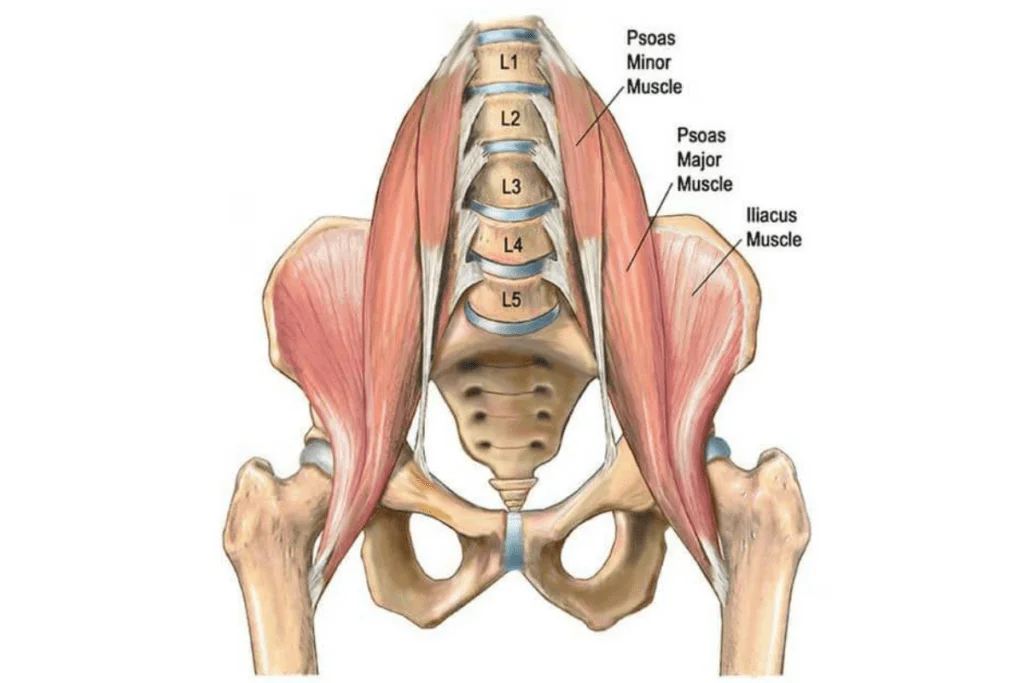
The psoas (pronounced so-as) is part of the iliopsoas muscle group, which includes:
- Psoas major
- Psoas minor
- Iliacus
Together, these form the primary hip flexor.
Functions of the Psoas
The psoas muscle:
- Flexes the hip (brings knee toward chest)
- Stabilizes the spine & pelvis
- Supports walking, running, kicking
- Helps maintain upright posture
Why the Psoas Matters
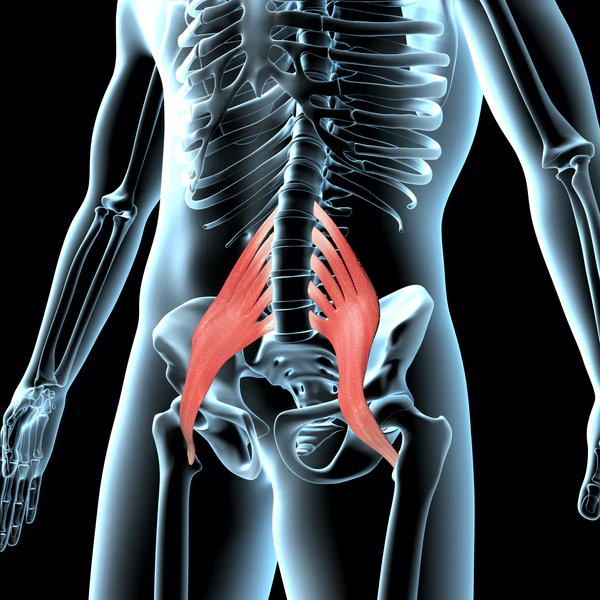
The psoas connects your lumbar spine to your femur, making it the only muscle that links the upper and lower body directly. This means a dysfunctional psoas can cause issues everywhere — from your low back to your knees.
According to a 2025 research review in the Journal of Orthopedic & Sports Physical Therapy, hip flexor tightness strongly correlates with anterior pelvic tilt and chronic low back discomfort in adults aged 25–55.
Why the Psoas Becomes Tight
A tight psoas is extremely common. The main reasons include:
1. Prolonged Sitting
When you sit:
- Hips stay in a flexed position
- Psoas stays shortened for hours
- Muscle adapts to the shortened length
Recent workplace data from 2025 shows the average office employee sits 10.3 hours per day, increasing psoas shortening and weakness.
2. Athletic Overuse
Athletes who run, cycle, or kick activate the psoas repeatedly. Without stretching, it becomes stiff and overactive.
Sports linked to tight psoas:
- Running
- Soccer
- Cycling
- Martial arts
- Sprinting
3. Postural Imbalances
A tight psoas can contribute to:
- Anterior pelvic tilt
- Hyperlordosis
- Compressed lumbar vertebrae
4. Emotional Stress (Not a Myth)
The psoas is sometimes called the “fight-or-flight muscle.” Stress activates the sympathetic nervous system, causing muscular tension in the hip flexors.
A 2024 stress physiology study found that sympathetic arousal can increase baseline muscle tone, including in the iliopsoas.
Other contributing factors include:
- Weak glutes
- Weak core
- Sedentary lifestyle
- Leg length discrepancies
- Poor lifting mechanics
Symptoms of a Tight Psoas
Highly overlooked symptom: It doesn’t always feel tight in the hip — sometimes it shows up in the lower back.
Common tight psoas symptoms:
- Lower back pain (especially standing)
- Hip tightness or pinching
- Difficulty standing fully upright
- Pain when walking or running
- Anterior pelvic tilt
- Reduced stride length
- Clicking or snapping in the hip
- Discomfort when laying flat
Self-Test for Tight Psoas (Thomas Test)
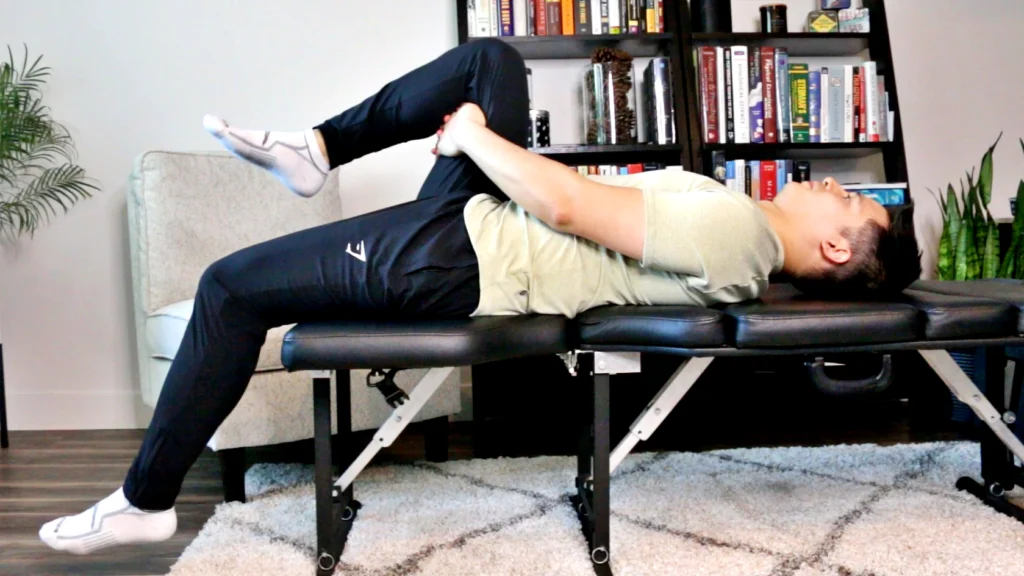
You can test for psoas tightness:
- Lie on your back at the edge of a table/bed
- Pull one knee to your chest
- Let the opposite leg hang freely
If the hanging leg lifts or can’t fully extend, you likely have a tight psoas.
Best Psoas Stretches (Step-by-Step)
Below are the most effective psoas stretch variations used by physical therapists and sports coaches.
1. Kneeling Psoas Stretch (Lunge Stretch) (Beginner Friendly)
This is the most popular and safest stretch.
How to perform:
- Kneel on your right knee, left foot in front
- Keep torso upright
- Posteriorly tilt pelvis (tuck tailbone forward)
- Lean forward slightly until you feel a stretch in hip
- Hold for 30–60 seconds
- Switch sides
Coaching cues:
- Do not arch the lower back
- Keep ribs down, glutes engaged
Mistake to avoid:
Most people arch their back instead of lengthening the psoas — this stretches the spine, not the muscle.
2. Standing Psoas Stretch (Advanced Hip Extension)
Useful for athletes and sprinters.
How to perform:
- Stand in split stance
- Squeeze glutes
- Drive hips forward
- Lift arm of back leg side overhead
- Hold 30–45 seconds
Add side bend for deeper stretch.
3. Couch Stretch (Intermediate – Deep Hip Flexor Stretch)
Popularized by strength coaches like Kelly Starrett.
How to perform:
- Place back foot on wall/couch
- Front foot forward in lunge
- Keep torso upright
- Hold 45–90 seconds
This stretch targets both quads and psoas.
4. Psoas Muscle Release with Foam Roller (Self-Myofascial Release)
More of a release than a stretch.
How to perform:
- Lie face-down on roller near hip crease
- Slowly shift weight to find tension
- Hold 60–120 seconds
- Repeat on both sides
Warning: Avoid rolling too aggressively over organs.
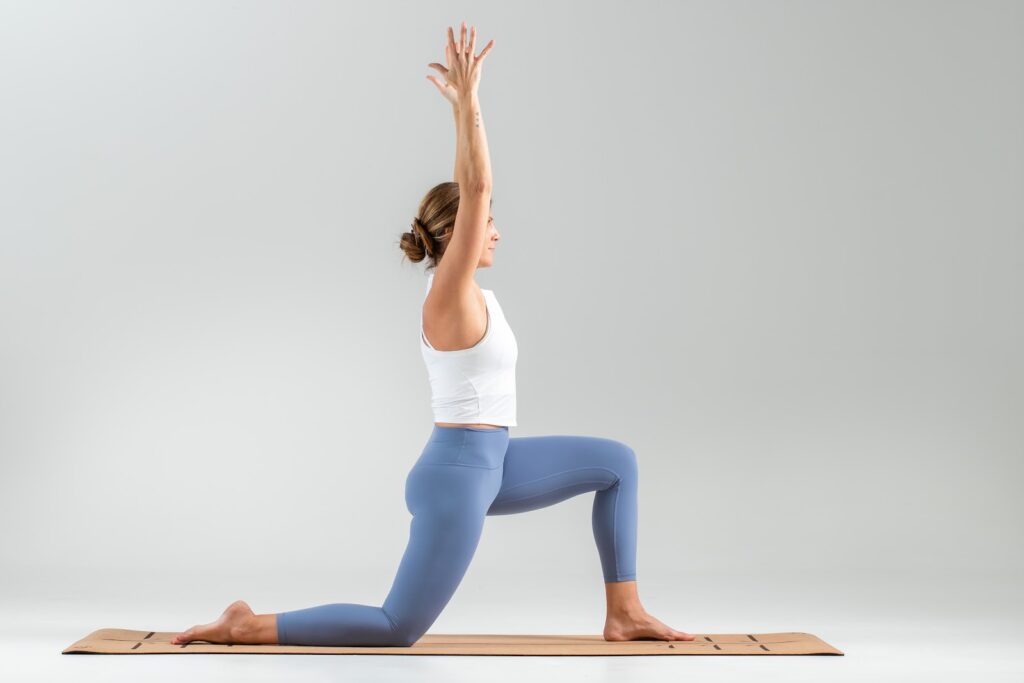
5. Yoga Psoas Stretch: Low Lunge (Anjaneyasana)
A yoga-based mobility option valuable for increasing blood flow.
How to perform:
- Begin in lunge
- Drop back knee
- Lift chest and arms
- Hold 5–10 breaths
- Repeat other side
Psoas Release Techniques & Tools
Stretching is effective, but combining stretching + release yields better results.
Tools that help:
- Foam roller
- Lacrosse ball
- Massage gun
- Pso-rite (iliopsoas tool)
Massage Gun for Psoas
Percussive therapy reduces tone in hip flexors and surrounding tissues.
Breathing Techniques
Diaphragmatic breathing relaxes psoas tension via the parasympathetic nervous system.
Try:
- 4 seconds inhale
- 6 seconds exhale
- 10 rounds
Psoas Stretch vs. Hip Flexor Stretch: Key Differences
Many people assume they’re the same — but they’re not.
| Feature | Psoas Stretch | Hip Flexor Stretch |
|---|---|---|
| Muscles Targeted | Iliopsoas (psoas + iliacus) | Rectus femoris + tensor fasciae latae |
| Primary Function | Spine & hip flexion | Hip flexion + knee extension |
| Best For | Back pain, pelvic alignment | Quad tightness, anterior knee pain |
| Position | Requires hip extension + neutral spine | Requires hip + knee flex changes |
| Common Exercises | Kneeling lunge, couch stretch | Quad stretch, standing hip flexor |
Key takeaway:
You can stretch the quads without stretching the psoas — but you cannot stretch the psoas without hip extension.
How Often Should You Stretch the Psoas?
For general mobility:
- Daily stretching: 5–10 minutes
- Hold time: 30–60 seconds
- Sets: 2–3 per side
For athletes:
- Add post-training stretching
- Add 2–3x weekly myofascial release
For office workers:
- Stretch every 2–3 hours
- Stand every 45–60 minutes
As of 2026, physical therapists recommend a combination of:
✔ stretching
✔ strengthening
✔ postural re-education
—not just stretching alone.
Athletes, Sitters & Yogis: Special Considerations
For Runners
Tight psoas reduces stride length and hip extension, slowing pace.
Combine with:
- Glute strengthening (bridges, hip thrusts)
- Posterior chain activation (hamstrings)
For Cyclists
Cycling keeps hips in flexion for long durations. Add:
- Couch stretch
- Standing hip extension drills
For Desk Workers
Most affected group in 2025–2026.
Fix by:
- Using standing desks
- Taking microbreaks
- Stretching twice daily
For Yogis
Many yoga poses already lengthen the hip flexors, including:
- Low lunge
- Warrior I
- Bridge pose
But poses like navasana (boat) tighten the psoas — balance is key.
Professional Treatments for Chronic Psoas Tightness
If symptoms persist beyond 6–8 weeks, consider:
1. Physical Therapy
Therapists use:
- Muscle energy techniques
- Manual psoas release
- Dry needling
- Neuromuscular re-education
2. Chiropractic Care
Effective when tight psoas causes lumbar compression.
3. Sports Massage / Myofascial Release
Targets deep tissue areas inaccessible via foam rolling.
4. Trigger Point Injections
Used in chronic cases with radiating pain.
FAQ (People Also Ask)
Q: What does a tight psoas feel like?
A tight psoas often causes hip or low back tightness, difficulty standing straight, and reduced hip extension. Many people feel discomfort when lying flat or after long sitting sessions.
Q: How do you loosen a tight psoas muscle?
Combine dynamic stretching, static stretching, foam rolling, and strengthening. Exercises like kneeling lunges and couch stretches are most effective.
Q: Is walking good for the psoas?
Yes, walking encourages hip extension which lengthens the psoas naturally. However, excessive uphill walking can also overwork the muscle.
Q: What causes psoas tightness?
Common causes include prolonged sitting, athletic overuse, posture issues, weak glutes, weak core muscles, and stress-induced tension.
Q: Can a tight psoas cause back pain?
Yes. Since the psoas attaches to the lumbar vertebrae, tightness can compress the spine and cause lower back pain or anterior pelvic tilt.
Q: How long does it take to loosen the psoas?
Most people see improvement in 2–6 weeks with consistent stretching and strengthening. Severe cases may take longer.
Q: Can the psoas cause digestive issues?
Indirectly, yes. A chronically tight psoas can compress abdominal organs and aggravate bloating or discomfort, but evidence is limited.
Q: Should you stretch or strengthen the psoas?
Both. Overstretched or weak psoas muscles can mimic tightness. Stretching + glute strengthening produces best results.
Q: Does sleeping position affect psoas tension?
Sleeping in a fetal position keeps the hip flexed, potentially shortening the psoas over time. Sleeping flat with a small pillow under knees may help.
Q: Can yoga fix a tight psoas?
Yes, poses like low lunge, warrior I, and bridge can lengthen and activate surrounding muscles. Balance with core strengthening for best results.
Conclusion
The psoas stretch is one of the most important mobility tools for improving hip function, reducing lower back pain, and restoring natural movement patterns. In today’s sedentary environment, a tight psoas is extremely common — but with the right stretches, releases, and strengthening work, you can correct imbalances and feel better fast.
Key takeaways:
- The psoas influences both the spine and hip
- Sitting is the #1 cause of shortening
- Stretching + strengthening = best outcomes
- Athletes, cyclists, and desk workers are most affected
- Results appear within 2–6 weeks of consistency
If you’re looking for guided sequences, mobility routines, or yoga practices for hip flexors, check out other helpful content on YogaSniff.com including:
➡ Yoga for Tight Hips
➡ Best Yoga Poses for Lower Back Stiffness
Your body moves more freely when the psoas works correctly — start today and feel the difference in posture, comfort, and athletic performance.
According to the National Institutes of Health (NIH), proper hip mobility reduces mechanical stress on the lumbar spine and pelvis.