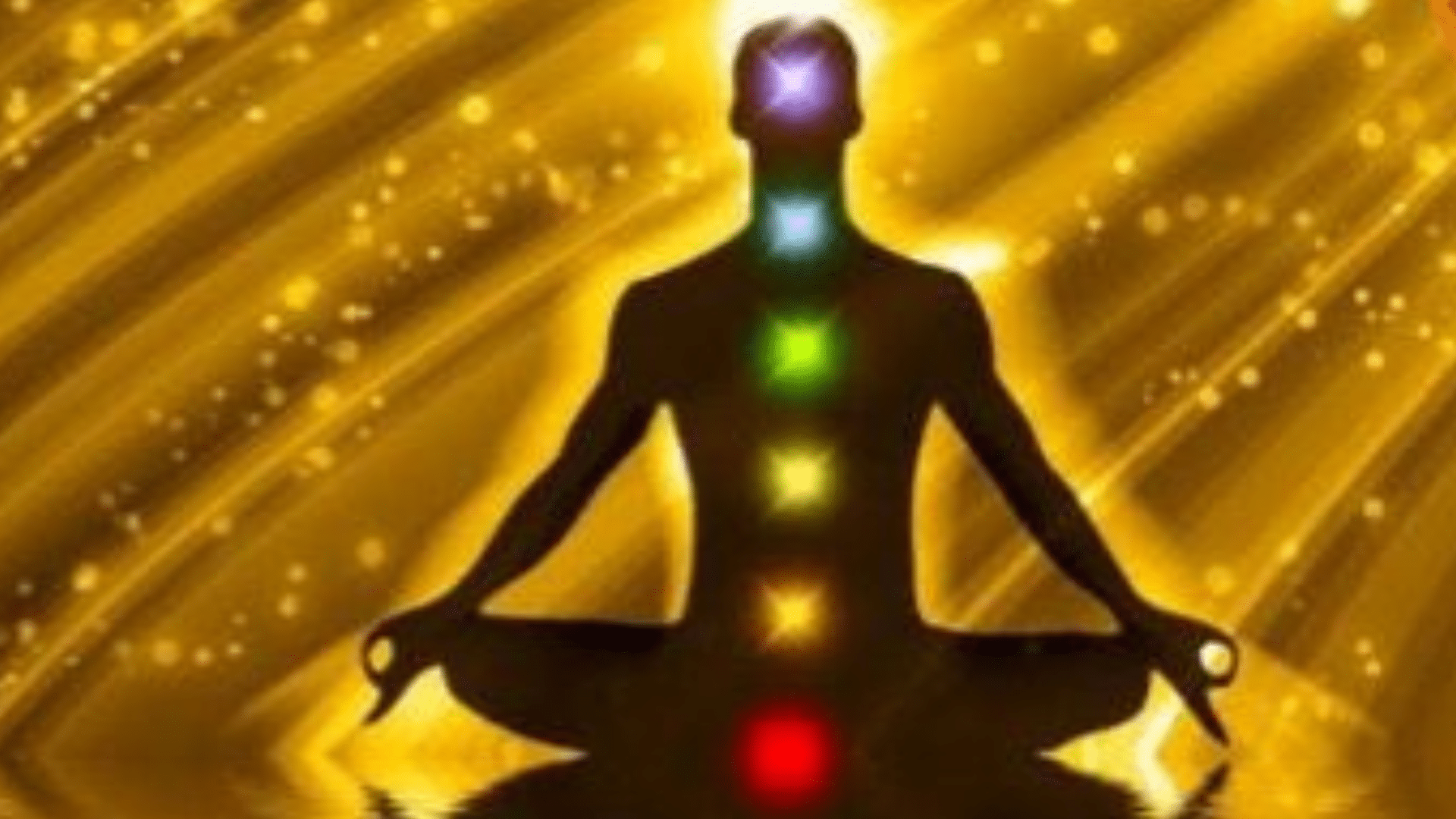


What Is Yoga Discipline Called in Sanskrit? (Quick Answer)
- Yoga (योग) — union of body, mind, and spirit
- Sadhana (साधन) — your dedicated daily practice
- Tapas (तपस्) — the inner fire of self-discipline
- Abhyasa (अभ्यास) — showing up consistently, over a long time
- Ashtanga (अष्टाङ्ग) — the eight-limbed path of yogic discipline
- There are 4 major and 6 extended yoga disciplines in Sanskrit
Let’s Start With a Confession
The first time I heard a yoga teacher say “your Tapas will carry you through,” I genuinely thought she meant the Spanish appetizers.
- What Is Yoga Discipline Called in Sanskrit? (Quick Answer)
- Let’s Start With a Confession
- First: What Does “Discipline” Actually Mean in Yoga?
- The 4 Major Yoga Disciplines in Sanskrit (With Their Names & Meanings)
- 6 More Yoga Disciplines in Sanskrit: Extended Paths
- The 8 Limbs of Ashtanga Yoga: Patanjali’s Complete Map
- Yama & Niyama: The Ethics That Nobody Talks About
- Pratyahara Through Samadhi: The Inner Work
- Which Yoga Discipline Is Actually Right for You?
- Yoga Discipline in Real Daily Life (No Himalayan Cave Required)
- Yoga Terms in Sanskrit: Pronunciation Guide
- Frequently Asked Questions
- Closing Thoughts: Discipline as a Gift
I’m not proud of that. But I share it because most people learning yoga are in the same boat. We show up for the stretching. We stay for the breathing. And slowly — if we’re paying attention — we realize there’s a whole philosophical universe hiding underneath those Sanskrit words our teachers throw around.
Yoga discipline in Sanskrit isn’t a single concept. It’s a complete map of human transformation, built over 5,000 years, and expressed through one of the world’s most precise languages.
This guide breaks all of it down. No fluff, no jargon for the sake of it — just the real meaning behind the words, and why understanding them will change how you practice.
First: What Does “Discipline” Actually Mean in Yoga?
In everyday life, discipline sounds like punishment. Wake up at 5am. Don’t eat carbs. Do the hard thing even when you hate it.
Yoga has a different relationship with the word entirely.

The Sanskrit root you’re looking for is “Tapas” (तपस्) — which literally means heat or to burn. Not punishing yourself. Not forcing your body into impossible shapes. But generating a kind of internal fire through consistent, sincere effort. The same way a blacksmith heats iron to make it stronger — not to destroy it, but to refine it.
Alongside Tapas, two other Sanskrit words define discipline in yoga:
Sadhana (साधन) is your dedicated practice. The word comes from “sadh” — to go straight toward a goal. Your Sadhana might be 20 minutes of meditation each morning, or pranayama before bed, or asana practice at noon. What makes it Sadhana isn’t the activity — it’s the consistency and the intention behind it.
Abhyasa (अभ्यास) is sustained practice over a long period of time. Not one intense week followed by three weeks off. The Yoga Sutras are very specific about this: practice becomes firmly established when it is done continuously, without interruption, and with sincere devotion. There are no shortcuts, but the payoff is real.

Together, these three words — Tapas, Sadhana, Abhyasa — are the spine of yogic discipline.
The 4 Major Yoga Disciplines in Sanskrit (With Their Names & Meanings)

When ancient yogis mapped out the paths to self-realization, they recognized that human beings are fundamentally different from each other. Some of us are thinkers. Some are feelers. Some are doers. Some are seekers.
So they built four distinct roads to the same destination.
1. Raja Yoga (राज योग) — The Royal Path
“Raja” means king. This is the kingly path — the one Patanjali outlined in the Yoga Sutras over 1,600 years ago.
Raja Yoga is systematic and structured. It gives you the complete eight-limbed framework (Ashtanga) and moves from ethical living all the way through to deep meditation and liberation. If you like structure, if you want a clear roadmap with defined steps, this is your path.
The goal isn’t flexibility or fitness. It’s mastery of the mind itself.
Who it’s for: Meditators. People drawn to stillness. Anyone who wants a methodical, step-by-step framework for inner development.
2. Karma Yoga (कर्म योग) — The Path of Selfless Action
“Karma” means action. But Karma Yoga isn’t about performing good deeds to collect cosmic brownie points. It’s more radical than that.
Karma Yoga says: do your work fully, and then completely let go of the outcome.
The Bhagavad Gita — Lord Krishna’s direct teaching to Arjuna — is the textbook of Karma Yoga. It was delivered, notably, on a battlefield. Because Krishna’s point is that real spiritual practice doesn’t require retreating from the world. You can find liberation right in the middle of your ordinary duties — if you can act without ego and serve without expectation.
The Sanskrit ideal is Sthitapragya — a person of steady wisdom who remains unshaken regardless of what results come.
Who it’s for: Parents. Teachers. Healthcare workers. Activists. Anyone whose life is already full of service and action.
3. Bhakti Yoga (भक्ति योग) — The Path of Devotion
“Bhakti” means love. This is the yoga of the heart.
Bhakti Yoga is the most widely practiced path in traditional Indian spiritual culture — and the simplest to understand, even if it’s not the simplest to live. You practice by surrendering yourself to something greater. Through prayer, through kirtan (devotional chanting), through ritual, through the act of dedicating everything you do to the divine.
Here’s the difference between Karma Yoga and Bhakti Yoga in one line: Karma Yoga is surrendering your actions to God. Bhakti Yoga is surrendering yourself.
Who it’s for: Emotional people. Music lovers. Those who feel more than they think. Anyone whose spiritual life comes alive through love, grief, longing, or beauty.
4. Jnana Yoga (ज्ञान योग) — The Path of Wisdom
“Jnana” means knowledge. But not information — this is wisdom through direct inquiry.
Jnana Yoga starts with the hardest question there is: Who am I? Not your name, your job, your relationships. The real you. The awareness that watches all those things come and go.
Jnana Yogis study the Upanishads and the Vedanta texts. They sit with philosophical questions that have no easy answers. They use logic and self-inquiry not to stay in their heads, but to see through the illusion of the ego entirely. This is liberation through awareness.
Who it’s for: Readers. Philosophers. People who have never felt satisfied with surface-level explanations. The ones who ask “but why?” one too many times.
6 More Yoga Disciplines in Sanskrit: Extended Paths
Beyond the four classical paths, yoga developed more specialized disciplines over the centuries. Most modern practitioners are actually already doing one of these without realizing it.
5. Hatha Yoga (हठ योग) — The Discipline of the Body
“Ha” = sun. “Tha” = moon. Hatha Yoga is the balancing of opposing energies — effort and ease, strength and flexibility, heat and coolness.
Here’s what most people don’t realize: virtually every yoga class you’ve ever taken — Vinyasa, Iyengar, Power Yoga, Hot Yoga — is a branch of Hatha. The system was formalized in the 15th-century text Hatha Yoga Pradipika, which describes postures, breathing practices, and purification techniques.
The real purpose of Hatha Yoga isn’t a toned body. It’s preparing the nervous system for meditation. The asanas remove physical tension so you can actually sit still. The pranayama calms the mind so meditation becomes possible.
Who it’s for: Anyone with a body. Especially people who need a physical entry point into a deeper practice.
6. Kundalini Yoga (कुण्डलिनी योग) — The Path of Awakened Energy
Kundalini (कुण्डलिनी) literally means coiled — like a serpent resting at the base of the spine.
Vedic philosophy describes seven energy centers (chakras) running along the spinal column. At the base of this system lies Kundalini Shakti — dormant primal energy. Through specific breathing techniques, kriyas (actions), and meditation, this energy can be awakened and guided upward through all seven chakras, leading to profound states of awareness.
This is genuinely advanced territory. Kundalini Yoga is powerful, and the tradition strongly recommends learning it with a qualified teacher.
Who it’s for: Serious practitioners ready to go deeper, with proper guidance.
7. Mantra Yoga (मन्त्र योग) — The Discipline of Sacred Sound
Break it down: “Man” = mind, “tra” = tool or instrument. A mantra is literally a tool for the mind.
Mantra Yoga uses the repetition of sacred sounds — from simple syllables like “Om” to complex Vedic chants like the Gayatri Mantra — to quiet mental noise and awaken inner awareness. The tradition holds that Sanskrit syllables carry specific vibrational frequencies that affect consciousness differently than ordinary speech.
You can receive a mantra through Mantra Diksha (initiation from a qualified teacher), or simply begin with what resonates. The practice compounds over time in ways that are hard to explain and easy to experience.
Who it’s for: Anyone drawn to sound, vibration, chanting, or music as a spiritual doorway.
8. Laya Yoga (लय योग) — Dissolution into Stillness
“Laya” means dissolution or merging. Think of a wave dissolving back into the ocean.
Laya Yoga is closely related to Kundalini practice but focuses specifically on the dissolution of the individual ego-mind into universal awareness. Through deep meditation and precise energy work, the practitioner gradually releases the sense of separateness until only pure awareness remains.
Who it’s for: Advanced meditators. Those drawn to non-dual philosophy and the dissolution of the small self.
9. Tantra Yoga (तन्त्र योग) — The Path That Uses Everything
“Tantra” means to weave or to expand. Nothing about ordinary reality is rejected — everything is woven into the path.
Tantra Yoga is one of the most misunderstood disciplines in the West, where it has been reduced almost entirely to its sexual dimension. The actual tradition is vast and sophisticated. Its core teaching is that every experience — including desire, relationships, food, beauty, and the physical body — can become a vehicle for awakening when met with full awareness.
Tantra doesn’t ask you to leave the world. It asks you to meet it completely.
Who it’s for: People who struggle with the idea of renunciation. Those who want a spiritual path that doesn’t require abandoning ordinary life.
10. Nada Yoga (नाद योग) — Listening to the Universe
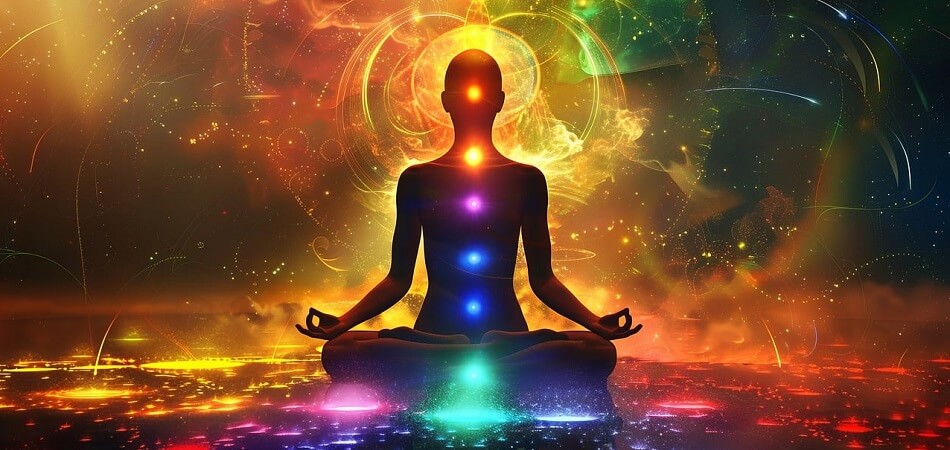
“Nada” means inner sound or cosmic vibration. Not sound you hear with your ears — sound that arises from within.
Nada Yoga teaches that the entire universe vibrates at a fundamental frequency. Advanced practitioners learn to internalize their listening until they perceive the Anahata Nada — the “unstruck sound,” a vibration that doesn’t come from any physical object. It is said to arise spontaneously in deep meditation and to lead naturally toward samadhi.
Who it’s for: Musicians. Sound healers. People who experience the world primarily through sound and feel most alive at concerts, in nature, or in silence.
The 8 Limbs of Ashtanga Yoga: Patanjali’s Complete Map
If the 10 yoga disciplines are different roads, the Ashtanga framework is the most detailed map of what the road looks like.
Patanjali compiled his Yoga Sutras around 400 CE. Ashtanga (अष्टाङ्ग) breaks down simply: “ashta” = eight, “anga” = limb. Together, they describe an interconnected path where each stage naturally prepares for the next.
| # | Limb | Sanskrit | What It Means |
|---|---|---|---|
| 1 | Yama | यम | How you treat the world |
| 2 | Niyama | नियम | How you treat yourself |
| 3 | Asana | आसन | Physical posture — steady and comfortable |
| 4 | Pranayama | प्राणायाम | Breath and vital energy regulation |
| 5 | Pratyahara | प्रत्याहार | Withdrawing attention from the senses |
| 6 | Dharana | धारणा | Holding concentration on one point |
| 7 | Dhyana | ध्यान | Sustained, effortless meditation |
| 8 | Samadhi | समाधि | Complete absorption — you and the universe, one |
The first five limbs (Yama through Pratyahara) are Bahiranga — outer practices. The final three (Dharana through Samadhi) are Antaranga — inner practices. When all three inner limbs are focused on the same object simultaneously, the tradition calls this Samyama — and describes extraordinary capacities arising from it.
One important thing Patanjali makes clear: you can’t build Samadhi on a shaky ethical foundation. Starting with Yama and Niyama isn’t optional.
Yama & Niyama: The Ethics That Nobody Talks About
Most yoga studios spend 90% of their class time on Limbs 3 and 4 — Asana and Pranayama. Limbs 1 and 2 barely get a mention. Which is a bit like teaching someone to drive while skipping the part about traffic laws.
The 5 Yamas — How You Show Up in the World
| Sanskrit | Meaning | What It Actually Looks Like |
|---|---|---|
| Ahimsa (अहिंसा) | Non-violence | Watching your self-talk as closely as you watch your words to others |
| Satya (सत्य) | Truthfulness | Saying what you mean. Meaning what you say. Even when it’s uncomfortable. |
| Asteya (अस्तेय) | Non-stealing | Returning borrowed things. Not taking credit that isn’t yours. |
| Brahmacharya (ब्रह्मचर्य) | Right use of energy | Not celibacy — but not wasting your vital energy on things that drain you |
| Aparigraha (अपरिग्रह) | Non-possessiveness | Owning things without letting them own you |
The 5 Niyamas — How You Show Up for Yourself
| Sanskrit | Meaning | What It Actually Looks Like |
|---|---|---|
| Saucha (शौच) | Purity | Clean space, clean body, clean mental diet |
| Santosha (संतोष) | Contentment | Genuinely appreciating what you have while still working toward more |
| Tapas (तपस्) | Disciplined austerity | Showing up for your practice even when you really don’t feel like it |
| Svadhyaya (स्वाध्याय) | Self-study | Noticing your patterns. Reading the old books. Asking hard questions about yourself. |
| Ishvara Pranidhana (ईश्वर प्रणिधान) | Surrender | Letting go of control. Trusting the process. |
The Yoga Sutras (2.42) say this about Santosha: “From contentment, unsurpassed happiness is gained.” Not from achieving your goals. From contentment.
Pratyahara Through Samadhi: The Inner Work
Pratyahara (प्रत्याहार) — Learning to Choose Where Your Attention Goes
The metaphor in the old texts is vivid: your mind is a chariot driver. Your senses are wild horses. Every smell, sound, screen, and notification is a road those horses want to bolt down. Pratyahara is teaching the horses to listen to the driver.
In practice, it’s simpler than it sounds. Closing your eyes. Putting your phone in another room. Choosing not to scroll. These are acts of Pratyahara. The senses don’t disappear — you just stop being yanked around by them.
Dharana (धारणा) — The Lost Art of Actually Concentrating
Dharana is single-pointed focus. You pick one thing — your breath, a candle, a mantra, a feeling in your chest — and you hold your attention there.
Not forever. Not perfectly. You just keep bringing it back.
This is the practice modern life has nearly destroyed. But it can be rebuilt, one session at a time.
Dhyana (ध्यान) — When Concentration Becomes Effortless
Here’s the difference between Dharana and Dhyana: effort.
Dharana requires work — you’re actively directing attention. Dhyana is what happens when that direction becomes natural. The concentration flows without strain. The meditator, the meditation, and the object of meditation start to blur together.
The word itself traveled across Asia and became chan in China and zen in Japan. Every contemplative tradition recognized this state because it’s real, and because it works.
Samadhi (समाधि) — Where Words Run Out
Samadhi is the goal. Not a goal you chase, but one that arrives when everything else is ready.
There are levels:
- Savikalpa Samadhi — absorption with some sense of self remaining
- Nirvikalpa Samadhi — total formless absorption, no ego, no separation
- Sahaja Samadhi — living permanently from that unified state, even while washing dishes and answering emails
Most practitioners experience brief flashes of samadhi long before they’d use that word for it. Complete absorption in music. The moment in nature when “you” temporarily disappear. Creative flow states. These are the doorway.
Which Yoga Discipline Is Actually Right for You?
Forget what sounds most spiritual. Pick what matches who you genuinely are.
| If this is you… | Start here |
|---|---|
| You live in your body, love movement, need a physical anchor | Hatha Yoga |
| You’re a reader, a thinker, logic is your love language | Jnana Yoga |
| You cry at music. You feel things deeply. Love is your fuel. | Bhakti Yoga |
| You’re already busy serving others — work, family, community | Karma Yoga |
| You want a complete, structured system for inner development | Raja Yoga |
| Sound and vibration move you in ways words can’t explain | Mantra or Nada Yoga |
| You’re an experienced practitioner ready for serious energy work | Kundalini or Laya Yoga |
| You want to be spiritual and fully present in regular life | Tantra Yoga |
And here’s the thing nobody tells you: you don’t have to choose. Most serious practitioners move through all of these over a lifetime. Some days you need Hatha. Some years call for Bhakti. The path is long enough to hold all of it.
Yoga Discipline in Real Daily Life (No Himalayan Cave Required)
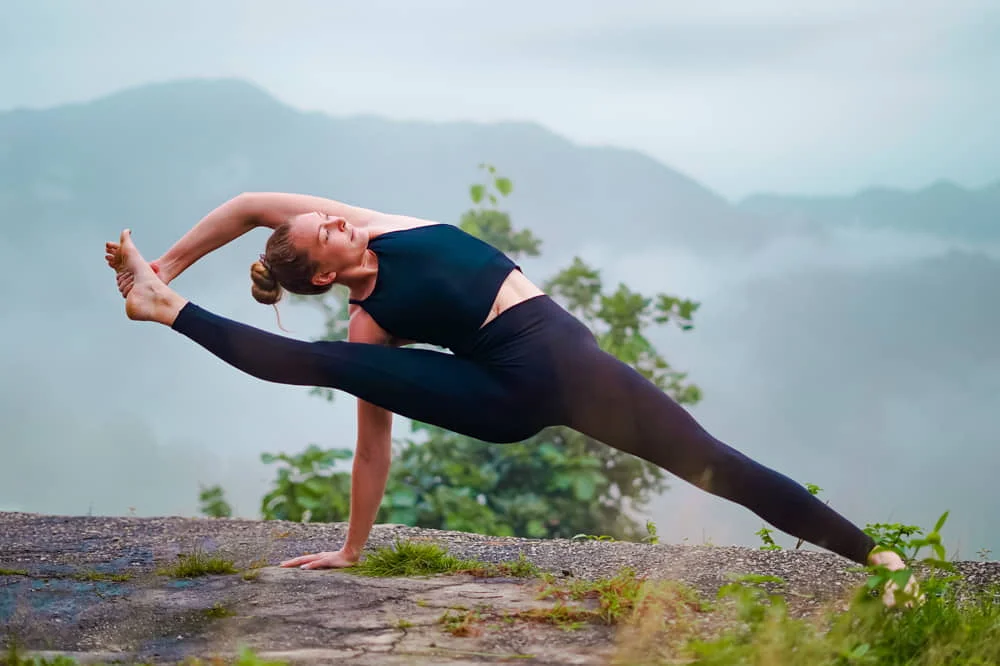
Ancient practice, modern schedule. Here’s how it maps:
Morning — 20 minutes of Hatha asana and pranayama. This is your Tapas. You show up even when you’re tired.
Midday — 5 minutes of Dharana. Put your phone down, focus on your breath, count to 100. That’s it.
Evening — 10 minutes of sitting quietly. This is your Dhyana practice, even if it doesn’t feel like meditation yet. Add a few lines of journaling — that’s Svadhyaya.
All day — Yama and Niyama in action. Ahimsa in how you speak to yourself and others. Satya in the choices you make. Santosha in how you meet what you didn’t plan for.
The Sanskrit term Krama (क्रम) means sequential, orderly progression. Layer by layer. No rush. No skipping steps. Just showing up and building something real.
Yoga Terms in Sanskrit: Pronunciation Guide
Understanding yoga in Sanskrit starts with pronunciation — each of the following terms carries a meaning encoded in its sound.
Every yoga discipline in Sanskrit is built from these foundational terms — here is how to say them correctly
| Sanskrit Term | Pronunciation | English Meaning |
|---|---|---|
| योग (Yoga) | YOH-gah | Union |
| साधन (Sadhana) | SAH-dha-nah | Dedicated practice |
| तपस् (Tapas) | TAH-pas | Inner fire |
| अभ्यास (Abhyasa) | Ahb-HYAH-sah | Consistent practice |
| समाधि (Samadhi) | Sah-MAH-dhee | Complete absorption |
| प्राणायाम (Pranayama) | Prah-NAH-yah-mah | Breath extension |
| ध्यान (Dhyana) | DHYAH-nah | Meditation |
| धर्म (Dharma) | DHAR-mah | Duty, right path |
| योग (Yoga) | YOH-gah | Union of body, mind, and spirit — the root of all yoga disciplines |
One rule that changes everything: in Sanskrit, the final “a” is always pronounced — softly, like “ah.” So yoga is “YOH-gah,” not “YOH-guh.” Asana is “AH-sah-nah,” not “AH-suh-nuh.” Once you hear the difference, you can’t unhear it.
Frequently Asked Questions
What is the Sanskrit word for discipline in yoga? The closest Sanskrit equivalent is Tapas (तपस्) — inner fire and self-discipline. Sadhana (साधन) means dedicated practice, and Abhyasa (अभ्यास) means consistent effort over time. Together, these three words capture what yogic discipline really means.
How many types of yoga disciplines are there in Sanskrit? There are 10 recognized yoga disciplines — 4 major ones (Raja, Karma, Bhakti, Jnana) that appear in the oldest texts, and 6 extended ones (Hatha, Kundalini, Mantra, Laya, Tantra, Nada) that developed over time.
What is Ashtanga in Sanskrit?
Ashtanga (अष्टाङ्ग) means “eight limbs” — from ashta (eight) and anga (limb). It refers to Patanjali’s eight-fold path: Yama, Niyama, Asana, Pranayama, Pratyahara, Dharana, Dhyana, and Samadhi.
Why is yoga called a discipline?
Because it is one — in the truest sense. Yoga is a structured, tested science of self-transformation, with a philosophy, a method, and a measurable outcome. Every branch has its own approach, but all of them require consistent practice over time. That’s the definition of a discipline.
What is the aim of yoga discipline?
Ultimately, Moksha — freedom from suffering and the patterns of mind that create it. In practical terms along the way: better health, emotional steadiness, mental clarity, and a growing sense of connection to something larger than yourself.
What are the four aims of life in yogic philosophy?
The Purusharthas: Dharma (living your purpose), Artha (material security), Kama (pleasure and connection), and Moksha (liberation). Yoga addresses all four — which is part of why it’s lasted 5,000 years.
Do I need to be Hindu to practice yoga?
No. The techniques of yoga — breathwork, meditation, physical postures, ethical living — are universal human practices. Understanding the Sanskrit roots deepens your relationship with the tradition and honors where it came from, but the practices themselves belong to anyone willing to do the work.
What is “yoga discipline with a name from Sanskrit” — crossword clue answer?
The most common crossword answers for this clue are YOGA (4 letters), HATHA (5 letters), KARMA (5 letters), RAJA (4 letters), and TANTRA (6 letters). All are Sanskrit yoga disciplines — each refers to a specific path of practice described in full in the guide above.
Closing Thoughts: Discipline as a Gift
Here’s what nobody told me when I started yoga: the discipline isn’t the hard part. The hard part is believing that the practice is actually working, on the days when you can’t feel it working.
That’s what Tapas is really about. Not willpower. Not force. But the quiet willingness to keep showing up — to your mat, to your breath, to the question of who you are — even when nothing dramatic is happening.
Sadhana builds on itself in ways you can’t see until months or years later. Abhyasa creates changes that don’t announce themselves. And one day you’ll notice that you’re responding to something differently than you would have before, and you’ll realize the practice was working the whole time.
Yoga discipline in Sanskrit is not a set of rules. It’s a set of invitations.
Choose your path. Find your practice. Show up for it.
The Sanskrit tradition will take care of the rest.
Ready to go deeper? Explore our guides on pranayama breathing techniques, how chakras map to the eight limbs of Ashtanga, beginner yoga sequences that apply these Sanskrit principles, and the full philosophy behind Hatha Yoga — the most practised branch of all.