

If you’ve ever wondered why so many people swear by morning yoga, there’s a simple reason: starting your day with intentional movement, breath awareness, and gentle stretching makes both the body and mind function better throughout the day.
You don’t need to be flexible, fit, or experienced to benefit. Even 5–10 minutes in the morning can make a noticeable difference in how you feel, move, and think.
This guide explains why morning yoga is good for you, based on posture, breath, mood, mobility, and daily routine benefits — all through a beginner-friendly wellness lens.
(Wellness information only — not medical advice.)
1. Morning Yoga Wakes Up Your Body Naturally
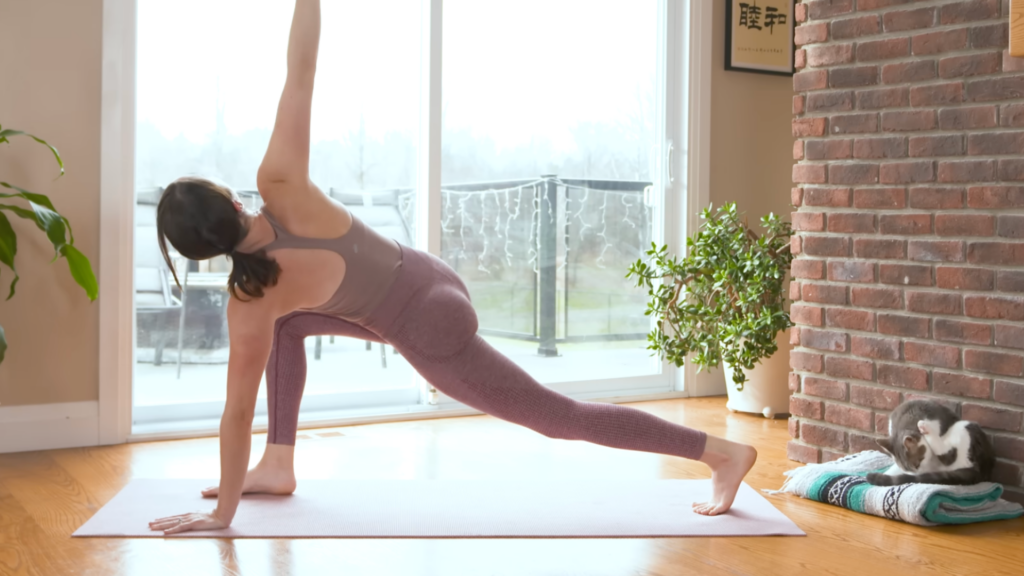
After sleep, the body is often:
✔ stiff
✔ compressed
✔ low in circulation
✔ low in joint lubrication
Gentle morning yoga helps:
✔ activate muscles
✔ increase blood flow
✔ improve spinal mobility
✔ hydrate connective tissue
✔ reduce stiffness
Simple movements like Cat–Cow or Forward Fold encourage physiological awakening, making mornings feel easier — especially if you sit long hours later.
2. It Improves Posture for the Rest of the Day
Most beginners struggle with posture due to:
- desk work
- phone use
- driving
- gaming
- studying
Morning yoga introduces awareness to:
✔ spine alignment
✔ shoulder positioning
✔ hip stretching
✔ neck mobility
Practices like Downward Dog or Low Lunge open tight areas (like hip flexors and chest), helping posture stay more balanced throughout the day.
Even small posture improvements reduce strain and tension.
3. Morning Yoga Supports Mental Clarity & Focus
One of the most overlooked benefits is mental clarity.
Most mornings start with:
❌ screens
❌ rushing
❌ multitasking
❌ shallow breathing
Yoga encourages:
✔ slow, intentional breathing
✔ reduced mental clutter
✔ focus on present moment
✔ smoother transitions into tasks
Many beginners report:
➡ fewer stress spikes later in the day
➡ better concentration for early work
➡ calmer emotional responses
➡ less sense of being rushed
This clarity supports both productivity and emotional balance.
4. It Boosts Flexibility Gently and Safely
Flexibility improves when muscles are:
✔ warm
✔ relaxed
✔ gently loaded
Morning yoga provides the ideal conditions for slow progress.
You don’t need to aim for deep stretches — just consistent, low-intensity movements like:
- Forward Fold
- Hamstring stretches
- Hip openers
- Chest openers
Over time, this increases range of motion and reduces daily stiffness.
5. Morning Yoga Helps Regulate Breath & Nervous System
Breath influences the nervous system directly.
Most people breathe shallowly upon waking, which keeps the nervous system in alert or anxious mode.
Morning yoga slows the breath, which:
✔ lowers internal tension
✔ increases oxygen efficiency
✔ encourages calm focus
✔ prepares the brain for decision-making
Even simple techniques like extended exhale breathing or belly breathing support nervous system balance.
If you’re new to breathwork, check out our guide on breathing exercises for beginners, which pairs perfectly with morning yoga.
6. It Builds a Positive Daily Routine
Consistency matters more than intensity.
Morning routines are easier to maintain because:
✔ fewer distractions
✔ no evening fatigue
✔ no sudden schedule changes
✔ no decision fatigue
This builds habits that support:
✔ mobility
✔ mindfulness
✔ emotional balance
✔ overall wellness
For many beginners, morning yoga becomes a daily anchor that improves the entire flow of the day.
Bonus: Morning Yoga vs Evening Yoga
Both have benefits, but differ in purpose:
| Time | Best For |
|---|---|
| Morning | energy, mobility, posture, focus |
| Evening | relaxation, recovery, nervous system calming |
Morning tends to improve your performance for the day, while evening supports recovery and winding down.
How Long Should Morning Yoga Be?
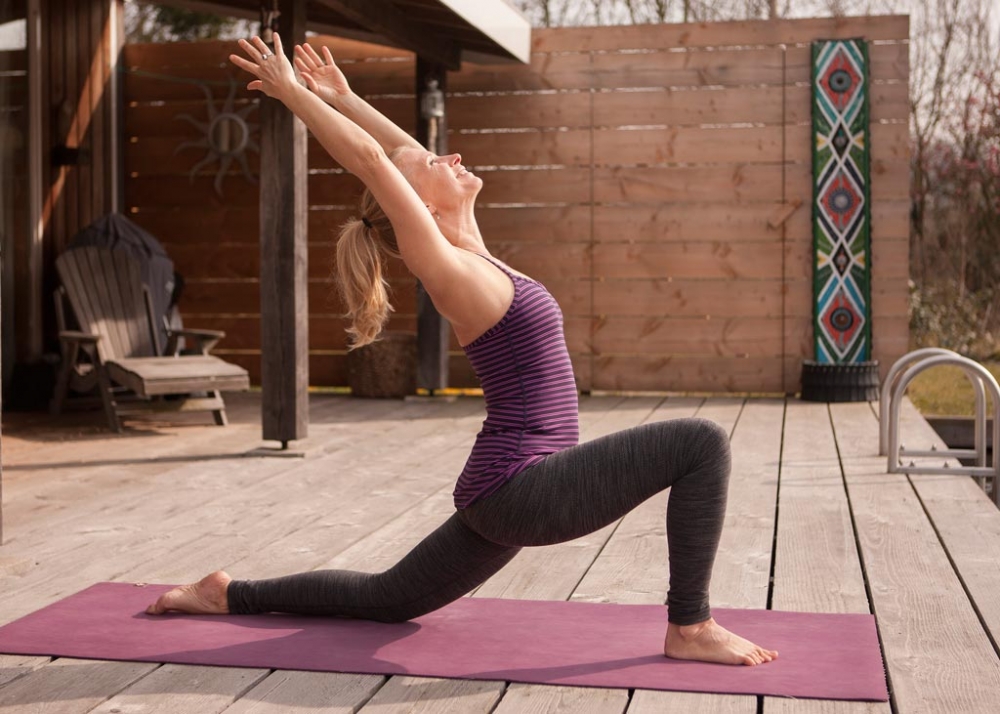
Beginners don’t need long sessions. Try:
✔ 5 minutes (starter)
✔ 10 minutes (ideal)
✔ 20 minutes (advanced beginners)
Consistency > length.
Common Beginner Questions
Does morning yoga help with energy?
Yes, gentle movement increases circulation and alertness.
Do I need flexibility to start?
No — flexibility increases through consistent practice.
Better before or after breakfast?
Before breakfast works best for most people.
Can I do yoga in bed?
Some stretches can be done in bed, but a mat gives more range.
Is fast flow better than slow flow?
Slow flow is usually better for morning grounding.
Final Thoughts
Morning yoga is good for you because it supports both body and mind in their transition from sleep to activity. It makes mornings smoother, improves posture, boosts clarity, and builds a gentle habit that benefits the entire day.
You don’t need fancy equipment, flexibility, or long sessions. Just consistency and curiosity.
If you’re looking for a simple way to start your day better, morning yoga is one of the easiest wellness upgrades you can make — even for total beginners.