
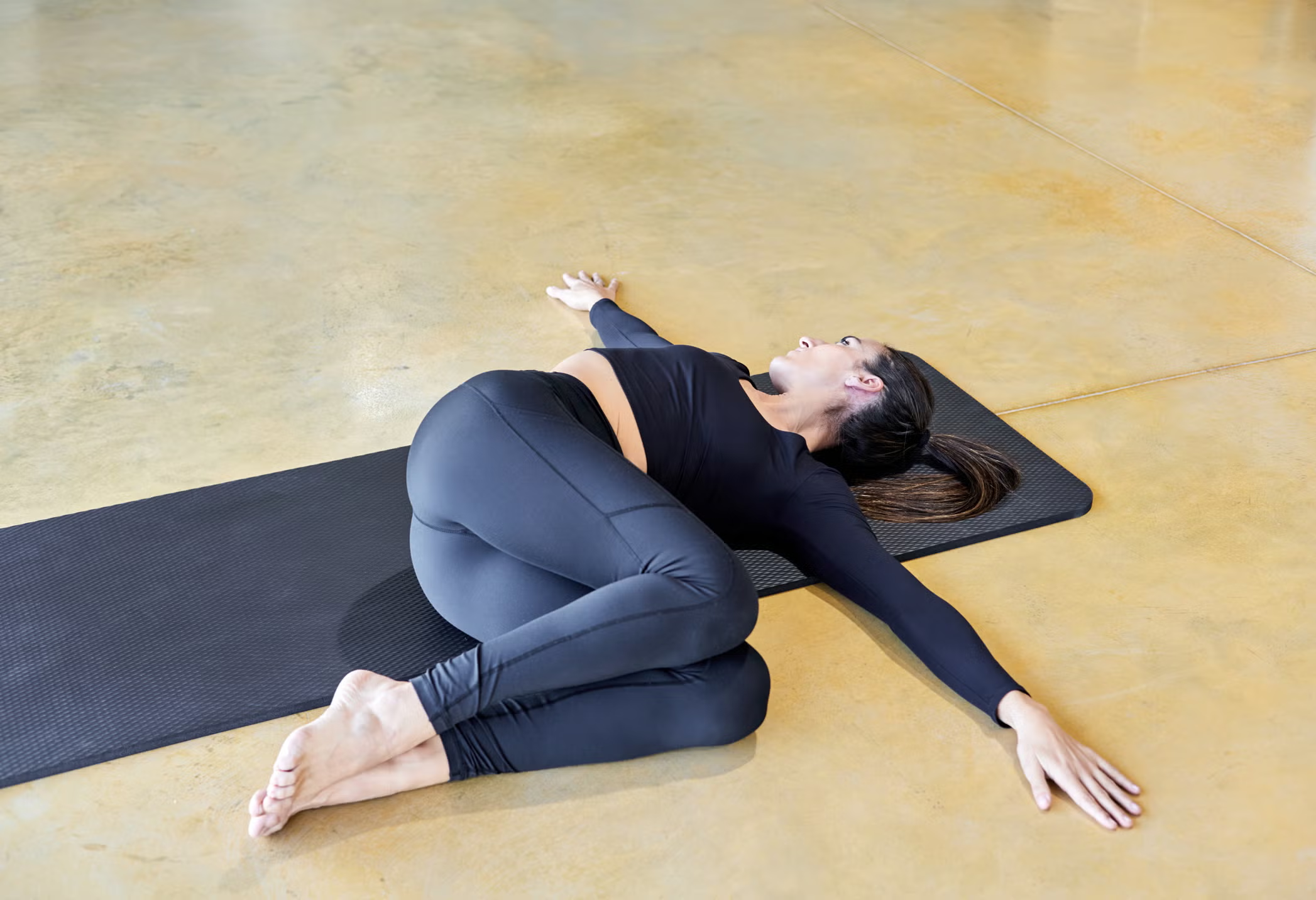
Many people wake up feeling stiff, tight, and low on energy—especially if they sit during work, drive often, or sleep in curled positions. The good news? A few simple morning stretches can help loosen the body, improve posture, and prepare you for the day ahead.
You don’t need experience, equipment, or flexibility to start. Just a few minutes of gentle movement on your bed or mat can make mornings smoother and more comfortable.
Here’s a beginner-friendly guide to simple morning stretches anyone can do at home.
(Wellness info only; not medical advice.)
Why Morning Stretching Helps
After sleep, the body needs time to wake up. Morning stretching helps:
✔ increase blood circulation
✔ warm up muscles and joints
✔ reduce stiffness from sleep
✔ support better posture for the day
✔ improve breathing patterns
✔ boost energy levels
Many beginners notice:
- easier movement
- less shoulder tension
- better mood in morning hours
- fewer mid-day aches
These small changes add up over time.
Tips Before You Start
You don’t need to “push” your flexibility. Morning stretches should be:
✔ slow
✔ gentle
✔ non-forceful
✔ steady
Breathe slowly and avoid bouncing motions.
If possible, practice on:
✔ a yoga mat
✔ a carpet
✔ or even sitting on your bed
Now let’s get into the beginner sequence.
10 Simple Morning Stretches for Beginners
Below are stretches that target common morning tight spots like hamstrings, hips, spine, and shoulders.
1. Overhead Arm Stretch (30–40 seconds)
How to do it:
- Stand or sit comfortably
- Reach both arms overhead
- Lengthen the spine while breathing deeply
Benefits:
✔ increases spinal length
✔ opens rib cage
✔ improves morning breathing
2. Neck Side Stretch (30 seconds each side)
How to do it:
- Sit or stand tall
- Gently tilt head toward one shoulder
- Avoid forcing your neck
Benefits:
✔ reduces tech-neck stiffness
✔ eases shoulder tension
3. Shoulder Rolls (10–15 rounds)
How to do it:
- Lift shoulders up
- Roll them back and down
- Repeat slowly
Benefits:
✔ opens chest muscles
✔ helps posture
✔ warms upper body
4. Cat–Cow Stretch (1 minute)
How to do it:
- Come to hands and knees
- Inhale: arch spine (Cow)
- Exhale: round spine (Cat)
Benefits:
✔ loosens spine
✔ activates breath awareness
✔ great for back stiffness
5. Standing Forward Fold (45–60 seconds)
How to do it:
- Stand tall and hinge forward
- Bend knees if hamstrings are tight
- Let arms hang naturally
Benefits:
✔ lengthens hamstrings
✔ decompresses spine
✔ increases blood flow to the head
6. Hamstring Bed Stretch (1 minute)
How to do it:
- Lie on back (on bed or mat)
- Lift one leg and hold behind thigh
- Keep knee slightly bent
Benefits:
✔ improves leg flexibility
✔ reduces morning tightness
Repeat on both legs.
7. Hip Flexor Lunge Stretch (45 seconds each side)
How to do it:
- Step one foot forward into a low lunge
- Lower hips gently
- Keep chest lifted
Benefits:
✔ reduces sitting-related tightness
✔ supports posture and walking comfort
8. Seated Spinal Twist (1 minute)
How to do it:
- Sit cross-legged
- Place one hand on opposite knee
- Twist gently while breathing
Benefits:
✔ mobilizes spine
✔ improves torso rotation
9. Chest Opener Stretch (45 seconds)
How to do it:
- Interlace fingers behind back
- Lift chest slightly
- Gently squeeze shoulder blades
Benefits:
✔ counteracts rounded posture
✔ opens breathing muscles
10. Calf Stretch Against Wall (45 seconds each side)
How to do it:
- Place hands on wall
- Step one leg back
- Press heel down
- Switch legs after time
Benefits:
✔ reduces lower leg stiffness
✔ helpful for walking and balance
Beginner Morning Stretch Routine (7–10 Minutes)
Here’s a simple routine using the stretches above:
- Overhead Arm Stretch — 30 sec
- Shoulder Rolls — 30 sec
- Neck Side Stretch — 30 sec each side
- Cat–Cow — 1 min
- Forward Fold — 45 sec
- Lunge Hip Stretch — 45 sec each side
- Seated Twist — 1 min
- Chest Opener — 45 sec
- Calf Stretch — 45 sec each side
Total time: 7–10 minutes
Skill level: Beginner-friendly
Breathing Makes Stretching More Effective
Most morning tightness is linked to shallow breathing.
Use this pattern while stretching:
➡ Inhale 4 seconds
➡ Exhale 6 seconds
Long exhalations help relax muscle tension.
If you’re new to breathwork, you can read our guide on breathing exercises for beginners, which pairs perfectly with stretching routines.
How Often Should Beginners Stretch?
You don’t need daily intensity. Instead:
✔ 4–6 days per week = ideal for progress
✔ consistency > deep stretching
✔ 5 minutes > 0 minutes
Morning stretching becomes easier when treated like brushing teeth: small, daily, automatic.
Frequently Asked Questions
Do I need to be flexible to start?
No — flexibility improves through practice, not before.
Can I stretch in bed instead of a mat?
Yes, gentle stretches can be done on a bed.
What if I feel pain?
Stretching should not hurt. Stop if discomfort appears.
Can stretching help posture?
Consistent stretching + awareness often supports better posture.
Final Thoughts
Simple morning stretches are a small habit with a big payoff. They reduce stiffness, improve posture, boost breathing, and help the body feel awake and ready.
You don’t need fancy routines — just consistency and curiosity. Start with a few minutes and increase as your body adapts.
Your body will thank you every morning.