
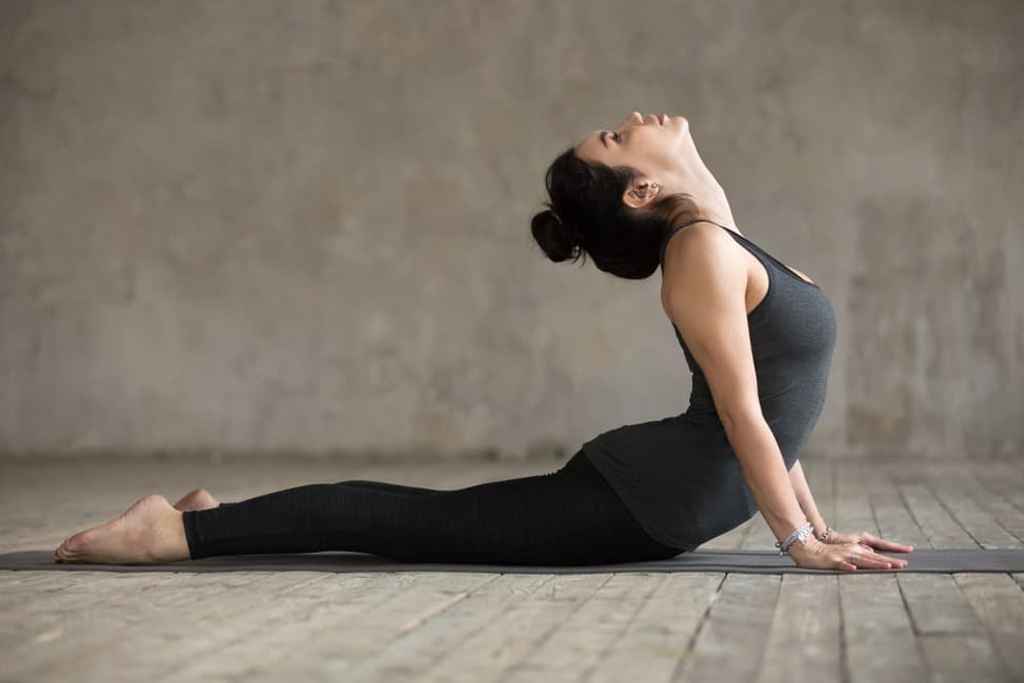
Cobra Pose — known as Bhujangasana in Sanskrit — is a gentle backbend commonly found in traditional Hatha yoga and modern vinyasa flows. It’s part of the sun salutation sequence and is often one of the first backbend postures beginners learn.
Cobra Pose strengthens the back body, opens the chest, and increases awareness of spinal alignment. If you’ve seen terms like cobra pose yoga, yoga cobra position, or bhujangasana, they all refer to the same foundational posture.
This beginner-friendly guide explains the benefits of Cobra Pose, how to do it correctly, variations, safety considerations, and how it compares to similar poses.
(General wellness information only — not medical advice.)
What Is Cobra Pose (Bhujangasana)?
Cobra Pose is a gentle prone backbend performed on the belly. It emphasizes upper back mobility, chest expansion, and shoulder alignment, making it ideal for beginners building a base for backbends.
Visual cues for the yoga cobra position:
✔ belly grounded
✔ palms under shoulders
✔ shoulders draw back
✔ chest lifts forward & up
✔ elbows stay bent (unlike Upward Dog)
This prevents pressure on the lower spine and makes it more accessible for beginners.
How to Do Cobra Pose (Step-by-Step)
Follow this slow, safe method:
- Start Position
Lie on your belly with legs extended and tops of feet on the mat. - Hand Placement
Place palms under shoulders, elbows hugged near ribs. - Shoulder Position
Draw shoulders down and back (away from ears). - Lift & Lengthen
On inhale, lift your chest forward and up, engaging back muscles. - Breathe Steadily
Keep elbows slightly bent and hips grounded. - Hold Gently
Stay for 3–5 breaths, then lower on exhale.
Beginner Tip for Alignment
Think “length before height.”
Instead of pushing high with your arms, imagine the chest sliding forward first, then gently lifting.
This creates spinal space instead of compression.
Cobra Pose Benefits for Beginners
Here are commonly noted wellness benefits of Bhujangasana for beginners:
✔ supports spinal mobility
✔ strengthens spinal extensors & upper back muscles
✔ encourages chest and shoulder opening
✔ promotes posture awareness
✔ builds foundation for deeper backbends
✔ connects movement with breath
✔ improves body alignment understanding
These are general informational points — not medical claims.
Muscles Engaged in Cobra Pose
Beginners often wonder what muscles are active. Cobra Pose uses:
✔ Erector Spinae (back muscles)
✔ Rhomboids (between shoulder blades)
✔ Triceps + Biceps (arm support)
✔ Glutes (light engagement)
✔ Core (stability)
✔ Chest & Shoulders (opening)
Understanding this helps you activate the right areas without overusing the lower back.
Common Mistakes & How to Fix Them
Beginners sometimes:
❌ push too hard with hands
❌ lock elbows straight
❌ lift shoulders toward ears
❌ compress lower back
❌ hold breath
Corrections:
✔ keep elbows bent
✔ draw shoulders down
✔ lift chest with back muscles first
✔ breathe slowly
✔ activate core lightly
These adjustments transform the pose from uncomfortable to sustainable.
Variations of Cobra Pose for Beginners
1. Baby Cobra (Ardha Bhujangasana)
✔ lowest-intensity variation
✔ hands may hover or rest light on floor
✔ focuses on upper back strength
Ideal for total beginners.
2. Block-Supported Cobra
✔ place block under chest
✔ reduces load on arms & spine
✔ good for learning alignment
3. High Cobra (Intermediate)
✔ more lift with arms
✔ deeper shoulder opening
✔ requires awareness & control
Only add height when it feels natural — never forced.
Cobra Pose vs Upward Facing Dog (Urdhva Mukha Svanasana)
These two poses look similar, but differ in fundamentals:
| Feature | Cobra Pose | Upward Dog |
|---|---|---|
| Elbows | Bent | Straight |
| Legs | Grounded | Lifted off mat |
| Hips | Touching mat | Lifted |
| Intensity | Gentle | Moderate |
| Skill Level | Beginner | Intermediate |
Beginners should start with Cobra Pose because it builds strength and awareness safely.
Safety Considerations
Avoid forcing height or depth.
Practice gently if you:
- are new to yoga
- feel intense lower back sensations
- struggle with shoulder mobility
- tend to hold breath
If discomfort appears, reduce intensity or return to Baby Cobra.
Breathing in Cobra Pose
Breathing enhances relaxation and alignment:
➡ inhale to lift and lengthen
➡ exhale to soften shoulders
Linking breath to movement makes backbends feel more natural.
If you want to explore breathwork, see our guide on breathing exercises for beginners, which pairs well with backbends.
Frequently Asked Questions
Q1: Is Cobra Pose good for beginners?
Yes, Cobra is one of the most beginner-friendly backbends.
Q2: How high should I lift?
Lift only to the point where breath feels smooth and lower back stays comfortable.
Q3: How long should I hold it?
3–5 steady breaths is a good starting range.
Q4: What’s the difference between Cobra and Upward Dog?
In Cobra, legs stay grounded and elbows stay bent; Upward Dog lifts thighs off the floor with straight arms.
Q5: Why is it called Bhujangasana?
“Bhujanga” in Sanskrit means “snake,” describing the lifted chest and head shape.
Final Thoughts
Cobra Pose (Bhujangasana) is a gentle, accessible backbend that helps beginners build strength, awareness, and mobility without forcing flexibility. It teaches posture mechanics, breath control, and shoulder alignment — foundational skills for deeper yoga practice.
Take it slow, focus on length before height, and let your back muscles gradually adapt with consistency.