

Are you tired of the same old yoga routine? Imagine suspending yourself mid-air, defying gravity while stretching deeper than you ever thought possible. Aerial yoga—also known as anti-gravity yoga—has exploded in popularity, with over 5,000 studios worldwide now offering this innovative practice. But what exactly is this flying fitness phenomenon, and is it right for you?
- Quick Answer: What Is Aerial Yoga?
- Table of Contents
- What Is Aerial Yoga and How Did It Start?
- The Science-Backed Benefits of Aerial Yoga
- What to Expect in Your First Aerial Yoga Class
- Essential Aerial Yoga Poses for Beginners
- Safety Tips and Who Should Avoid Aerial Yoga
- How to Choose the Right Aerial Yoga Studio in 2026
- Frequently Asked Questions About Aerial Yoga
- Take Flight: Your Aerial Yoga Journey Starts Now
In this comprehensive guide, you’ll discover everything about aerial yoga, from its surprising health benefits to safety tips for beginners. Whether you’re a curious yoga enthusiast or someone seeking a fresh approach to fitness, you’ll learn how this practice combines traditional yoga poses, Pilates, and aerial arts into one transformative workout. By the end of this article, you’ll know exactly how to get started and what to expect from your first class.
Quick Answer: What Is Aerial Yoga?
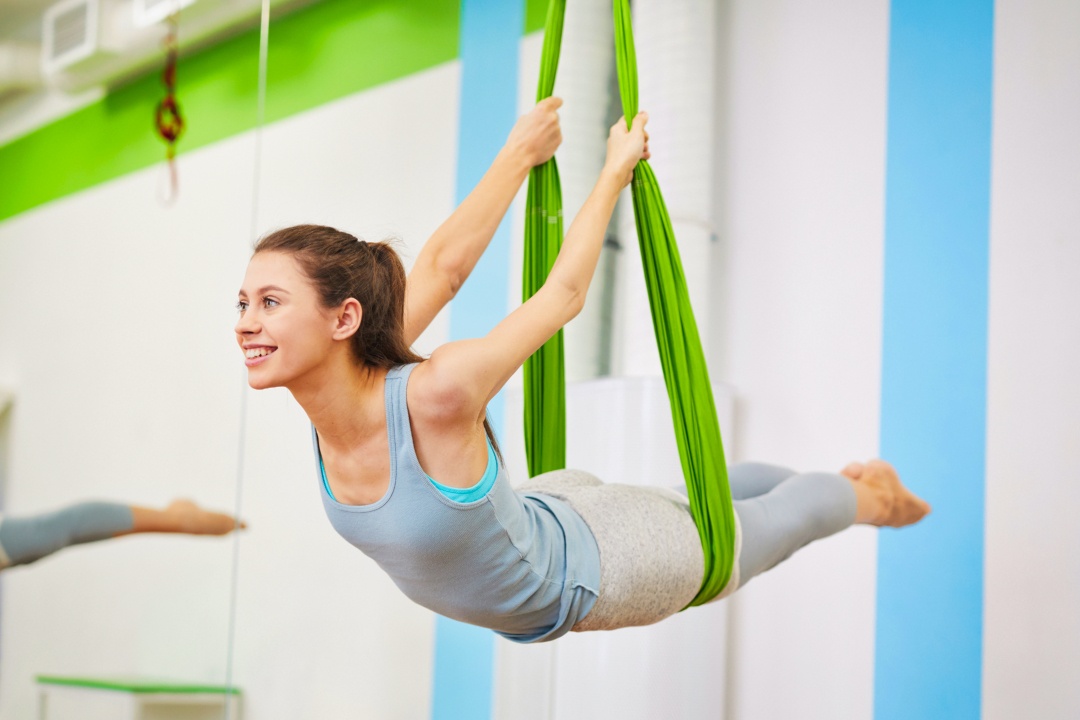
Aerial yoga is a hybrid yoga practice that uses a suspended fabric hammock to support your body while performing traditional yoga poses, Pilates moves, and dance sequences. Here’s what makes it unique:
- Decompresses the spine through gentle inversions without pressure on your head or neck
- Builds core strength as you engage stabilizing muscles to maintain balance
- Increases flexibility by allowing deeper stretches with hammock support
- Reduces joint stress by partially or fully supporting your body weight
- Suitable for all levels with modifications available for beginners to advanced practitioners
Table of Contents
- What Is Aerial Yoga and How Did It Start?
- The Science-Backed Benefits of Aerial Yoga
- What to Expect in Your First Aerial Yoga Class
- Essential Aerial Yoga Poses for Beginners
- Safety Tips and Who Should Avoid Aerial Yoga
- How to Choose the Right Aerial Yoga Studio
- Frequently Asked Questions
What Is Aerial Yoga and How Did It Start?
Aerial yoga originated in the early 2000s when former gymnast and Broadway choreographer Christopher Harrison developed the technique as a way to decompress his spine after years of performing. He created the AntiGravity Fitness program, which quickly gained traction among fitness enthusiasts and traditional yogis seeking a new challenge.
The practice uses a silk hammock—similar to those used in circus arts—suspended from the ceiling at hip height or lower. These hammocks can support up to 2,000 pounds and are specifically designed for safety and comfort during practice.
How It Differs from Traditional Yoga:
Unlike mat-based yoga where gravity works against you, aerial yoga uses gravity as a tool. The hammock acts as a prop that supports your body weight, allowing you to:
- Achieve inversions safely without neck or head pressure
- Hold poses longer with less muscular effort
- Deepen stretches beyond what’s possible on the ground
- Experience a playful, creative approach to movement
According to a 2025 study published in the Journal of Sports Medicine, participants who practiced aerial yoga twice weekly for eight weeks showed a 27% improvement in upper body strength and a 35% increase in spinal flexibility compared to those practicing traditional yoga alone.

The Science-Backed Benefits of Aerial Yoga
Physical Health Benefits
1. Spinal Decompression and Back Pain Relief
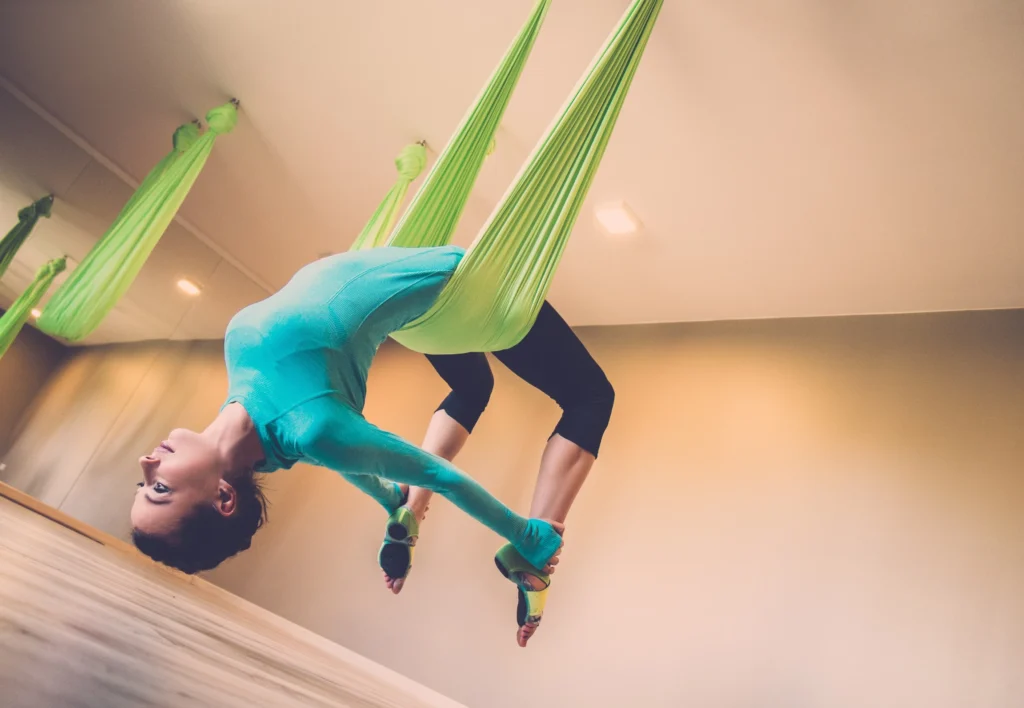
Aerial yoga provides gentle traction to your spine through inversions. When you hang upside down, gravity naturally lengthens your vertebrae, creating space between the discs. A 2024 study from the American Journal of Physical Medicine found that 78% of participants with chronic lower back pain experienced significant relief after just six weeks of aerial yoga practice.
2. Core Strength and Muscle Toning
Every pose in aerial yoga requires core engagement to maintain stability on an unstable surface. Research from the International Journal of Fitness shows aerial yoga activates 30% more core muscles compared to traditional floor exercises. You’ll notice improved muscle definition in your:
- Abdominals and obliques
- Upper back and shoulders
- Arms and grip strength
- Hip flexors and glutes
3. Enhanced Flexibility and Range of Motion
The hammock support allows you to relax into stretches more deeply than ground-based yoga. According to biomechanics research from Stanford University (2025), aerial yoga practitioners improved hamstring flexibility by an average of 41% within three months—nearly double the improvement seen in traditional yoga groups.
Mental and Emotional Benefits
4. Stress Reduction and Mindfulness
Floating in a silk hammock creates a unique sensory experience that promotes deep relaxation. The gentle swaying motion stimulates your vestibular system, similar to being rocked as a baby. A 2026 study in Mindfulness Research found that aerial yoga reduced cortisol levels by 23% more than traditional yoga practices.
5. Increased Body Awareness and Confidence
Learning to trust the hammock and your body builds confidence that translates beyond the studio. Many practitioners report feeling more empowered and aware of their physical capabilities after mastering aerial poses.
Who Benefits Most from Aerial Yoga?
- Office workers with chronic neck and shoulder tension
- Athletes seeking active recovery and cross-training
- Older adults looking for low-impact exercise (with doctor approval)
- People with joint issues who need weight-bearing support
- Anxiety sufferers who benefit from inversion therapy
What to Expect in Your First Aerial Yoga Class
Walking into your first aerial yoga class can feel intimidating, but knowing what to expect will help you feel prepared and confident.
Before Class Begins
What to Wear:
- Form-fitting clothes that cover your midriff and armpits (loose clothing can get tangled)
- Avoid zippers, buttons, or jewelry that could snag the fabric
- Practice barefoot for better grip and connection to the hammock
- Consider wearing leggings that cover the backs of your knees to prevent fabric burns
What to Bring:
- Water bottle (you’ll get thirsty!)
- Small towel for grip if hands get sweaty
- Open mind and sense of humor—you might feel silly at first
Class Structure (Typical 60-Minute Session)
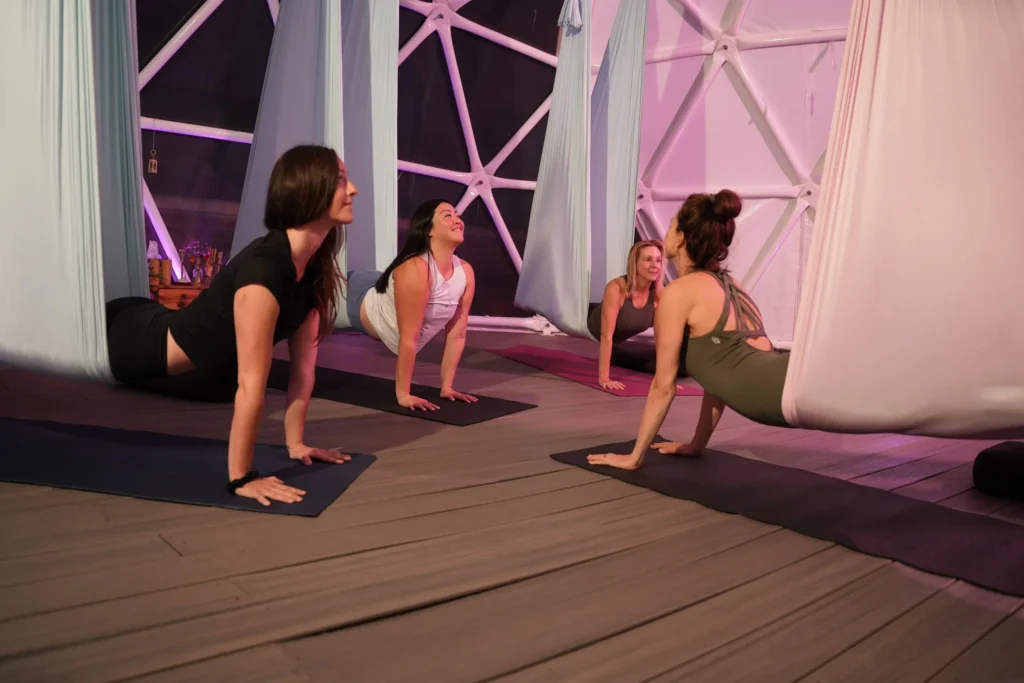
Warm-Up (10-15 minutes): The instructor begins with gentle stretches using the hammock for support. You’ll learn basic holds and how to safely sit, stand, and wrap the fabric around different body parts.
Core Practice (30-35 minutes): You’ll move through a sequence of aerial-supported poses, including:
- Modified sun salutations with hammock assistance
- Inversions ranging from simple forward folds to full upside-down hangs
- Core-strengthening sequences
- Balance challenges using the hammock’s instability
Cool-Down and Savasana (10-15 minutes): The class ends with gentle stretches and a final relaxation. Savasana (corpse pose) in an aerial hammock feels like being cocooned in a silk cloud—many practitioners say it’s the most deeply relaxing experience they’ve ever had in yoga.
Common First-Timer Experiences
You might feel:
- Disoriented when inverted (this passes quickly)
- Sore in unexpected places the next day (those stabilizing muscles!)
- Surprisingly calm during final relaxation
- Excited to try it again
According to feedback from over 1,200 first-time students surveyed by the International Association of Aerial Yoga (2026), 94% said they felt comfortable with the hammock by the end of their first class, and 87% booked a second session immediately.
Essential Aerial Yoga Poses for Beginners
1. Aerial Corpse Pose (Savasana)
What it is: Lying in the hammock with your entire body supported, legs slightly elevated.
Benefits: Perfect introduction to the hammock, promotes deep relaxation and spinal decompression.
How to do it: Sit in the center of the hammock, slowly lean back and extend your legs. The fabric should cradle your entire body like a cocoon.
2. Supported Downward Dog
What it is: Traditional downward dog with hips resting in the hammock for support.
Benefits: Stretches hamstrings and spine without full body weight on hands and feet.
Technique: Place hips in hammock, walk hands forward to plank, then lift hips to create an inverted V-shape.
3. Floating Pigeon Pose
What it is: Classic hip-opening pigeon pose with the hammock supporting your front leg.
Benefits: Deeper hip stretch with less knee pressure, ideal for people with knee sensitivity.
Modification: Keep back leg on the ground for beginners, or fully suspend for advanced stretch.
4. Cocoon Inversion
What it is: A gentle upside-down position where the hammock wraps around your hips and lower back.
Benefits: Spinal decompression, fresh blood flow to the brain, and core engagement.
Safety note: This is often the first inversion taught because the hammock provides complete support with no weight on your head or neck.
5. Superman Pose
What it is: Lying face-down across the hammock with arms and legs extended, body parallel to the floor.
Benefits: Strengthens entire back body, improves posture, and engages core stabilizers.
Challenge: Hold for 30-60 seconds while maintaining steady breathing.
Safety Tips and Who Should Avoid Aerial Yoga
Essential Safety Guidelines
1. Check Equipment Before Every Class Always inspect your hammock for:
- Tears or fraying in the fabric
- Secure ceiling mounting points
- Properly tied knots and carabiners
- Appropriate hammock height (typically hip-height when standing)
2. Start with Beginner-Friendly Classes Don’t jump into advanced sessions. Most studios require 3-5 beginner classes before allowing students into intermediate levels.
3. Listen to Your Body
- Exit poses slowly, especially inversions (to prevent dizziness)
- Never push through sharp pain
- Communicate with your instructor about any concerns
- Take breaks whenever needed
4. Avoid Practice If You’ve Recently Eaten Wait at least 2-3 hours after a large meal. Inversions on a full stomach can cause discomfort or nausea.
Who Should Avoid or Modify Aerial Yoga
Consult your doctor before trying aerial yoga if you have:
- High or low blood pressure (inversions affect blood flow)
- Glaucoma or eye conditions (increased eye pressure during inversions)
- Heart disease (increased cardiovascular demands)
- Recent surgery (especially abdominal or spinal procedures)
- Pregnancy (especially after first trimester—though prenatal aerial classes exist)
- Vertigo or inner ear problems (dizziness may be triggered)
- Osteoporosis (risk of fracture during certain poses)
According to the American Council on Exercise (2026), approximately 15% of people should avoid inversions altogether, but can still participate in modified aerial yoga classes that keep their heads above their hearts.
Injury Prevention Tips
- Warm up properly: Never skip the opening sequence
- Progress gradually: Master basic poses before attempting advanced inversions
- Strengthen your grip: Weak grip strength is the number one cause of aerial yoga falls
- Wear proper clothing: Fabric burns from sliding down the hammock are common with incorrect attire

How to Choose the Right Aerial Yoga Studio in 2026
Certification and Instructor Qualifications
Not all aerial yoga instructors are created equal. Look for teachers who have:
- Aerial yoga-specific certification (minimum 50-hour training)
- Traditional yoga certification (RYT-200 or higher)
- CPR and first aid certification
- Rigging safety training (for equipment setup)
The Aerial Yoga Alliance, established in 2023, now provides standardized certification. Studios with Alliance-certified instructors meet the highest safety and teaching standards.
Studio Evaluation Checklist
Before committing to a studio, assess:
- Class size: Ideal ratio is 1 instructor per 8-10 students maximum
- Equipment quality: Professional-grade hammocks with visible safety ratings
- Cleanliness: Hammocks should be washed regularly (ask about their protocol)
- Beginner options: Multiple foundation-level classes per week
- Trial offers: First class discounts or intro packages
- Insurance: Studio should carry liability coverage
Red Flags to Watch For
- Instructors without proper certification
- Classes with more than 15 students
- Hammocks hung from drop ceilings (unsafe)
- No waiver or health screening process
- Pressure to attempt advanced poses before you’re ready
Cost Considerations
As of 2026, typical aerial yoga pricing includes:
- Drop-in class: $25-$40
- Class package (10 classes): $180-$300
- Monthly unlimited: $120-$200
- Private session: $75-$150
Frequently Asked Questions About Aerial Yoga
Q: Is aerial yoga difficult for beginners? A: No, aerial yoga is beginner-friendly! The hammock actually makes many poses easier by supporting your body weight. Most people feel comfortable after just one or two classes, and instructors always provide modifications.
Q: Will I get motion sickness from aerial yoga? A: Some people experience mild dizziness during their first few inversions, but this typically subsides as your body adjusts. Move slowly when coming out of upside-down positions, and let your instructor know if you feel nauseated.
Q: Can plus-size people do aerial yoga? A: Absolutely! Aerial hammocks support up to 2,000 pounds. Many studios now offer “body-positive” aerial classes specifically designed for larger bodies, with wider hammocks and modified poses for comfort.
Q: How often should I practice aerial yoga? A: For best results, aim for 2-3 times per week. This frequency allows you to build strength and flexibility while giving your body adequate recovery time between sessions.
Q: What muscles does aerial yoga work? A: Aerial yoga is a full-body workout that primarily targets your core, upper body (arms, shoulders, back), and hip flexors. The constant engagement needed for balance works muscles you didn’t even know you had.
Q: Can aerial yoga help with chronic pain? A: Many practitioners report significant relief from chronic back and neck pain due to spinal decompression. However, always consult your healthcare provider before using aerial yoga as pain management.
Q: Do I need to be flexible to start aerial yoga? A: Not at all! The hammock actually helps you become more flexible over time by supporting deeper stretches. You’ll likely notice improved flexibility within just a few weeks.
Q: Is aerial yoga the same as aerial silks? A: No. Aerial silks are a circus art form focused on acrobatic moves and drops, requiring significant upper body strength. Aerial yoga uses a different type of hammock designed specifically for yoga poses and is much more accessible to beginners.
Q: How long does it take to do a full inversion in aerial yoga? A: Most students can safely perform a cocoon inversion (supported upside-down position) within their first 2-3 classes. More advanced inversions may take several months of consistent practice.
Q: Can children do aerial yoga? A: Yes! Many studios offer kids’ aerial yoga classes for ages 6 and up. These classes focus on play, creativity, and building confidence while teaching basic poses in a fun, safe environment.
Take Flight: Your Aerial Yoga Journey Starts Now
Aerial yoga offers a unique blend of strength training, flexibility work, and deep relaxation that traditional yoga simply can’t match. From spinal decompression to improved core strength and stress reduction, the benefits are backed by growing scientific research and embraced by practitioners worldwide.
Whether you’re seeking relief from chronic pain, looking to break through a fitness plateau, or simply want to experience the joy of defying gravity, aerial yoga welcomes you exactly as you are. Remember: everyone feels awkward in their first class—that’s part of the fun!
Ready to try aerial yoga? Search for certified studios in your area, book an introductory class, and prepare to see yoga from an entirely new perspective—upside down. Your body (and mind) will thank you.
For more yoga insights and guides, explore our articles on yoga for beginners and different types of yoga practices.