
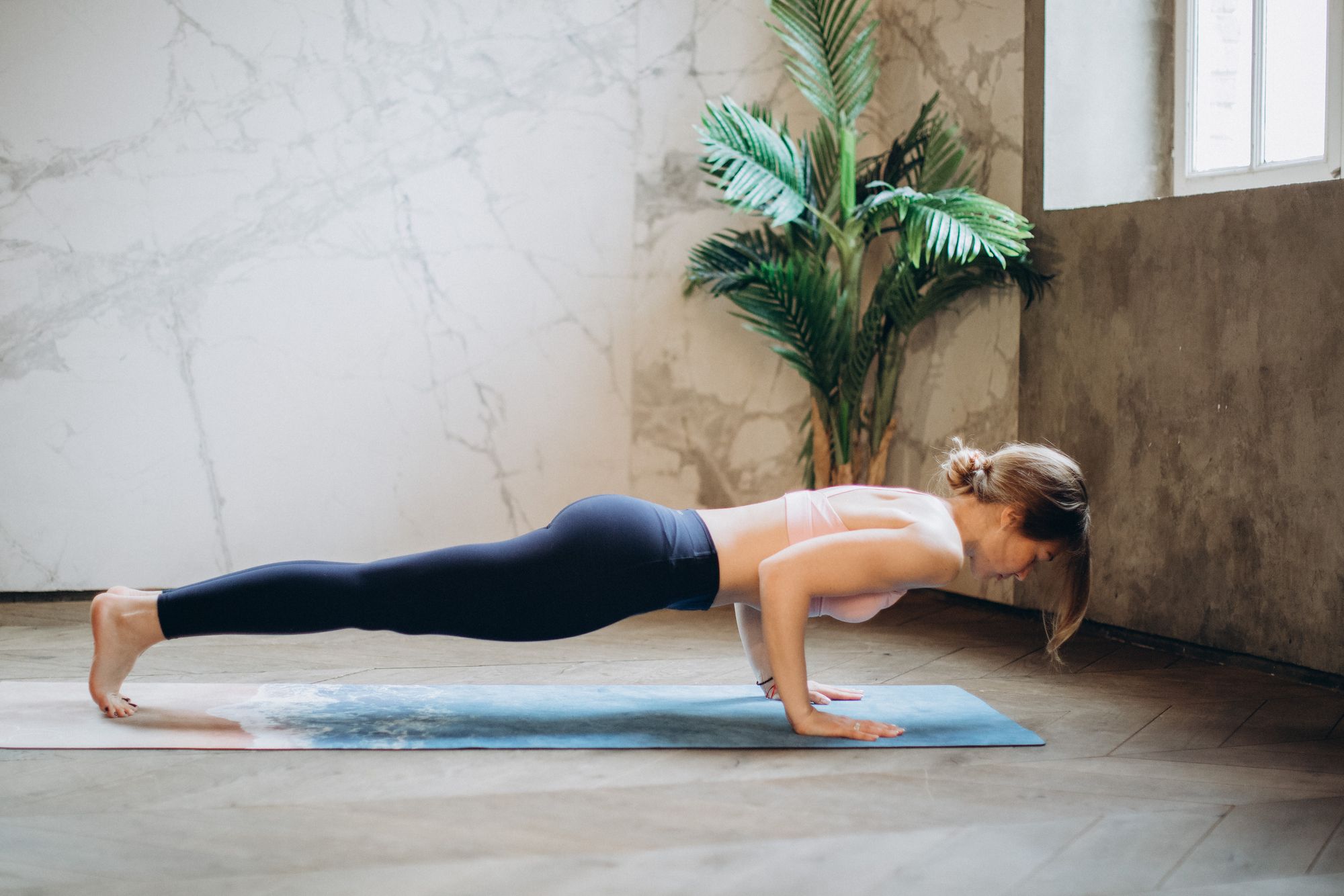
If you’re curious whether yoga can support a more active lifestyle and help you manage your weight as a beginner, you’re not alone. A lot of people discover yoga because it feels more accessible and less intimidating than intense workouts.
This guide will help beginners understand how yoga fits into weight management, how to start, which styles to explore, and how to build consistent habits — without pressure, promises or perfection.
Understanding Yoga for Weight Management (Without Myths)
When people think about weight management, they often imagine:
- running on treadmills
- heavy gym workouts
- strict dieting
But yoga offers a different approach — one based on movement, awareness, breathing, and habit building.
Yoga for weight management is about:
✔ staying active
✔ building strength slowly
✔ improving mobility
✔ supporting mindful eating
✔ reducing stress-related snacking
✔ creating consistent weekly routines
These are lifestyle factors, not medical treatment or guaranteed results.
How Yoga Supports an Active Lifestyle (Non-Medical Awareness)

There are a few general ways yoga fits into weight management routines:
1. Movement & Activity:
Yoga helps you move your body regularly, which is important for maintaining an active lifestyle.
2. Strength & Muscle Engagement:
Many yoga poses engage muscles in legs, arms, and core which may contribute to gradual strength improvements.
3. Mobility & Flexibility:
Good mobility often makes other activities (walking, gym, sports) more comfortable.
4. Stress Reduction:
People often eat due to stress or boredom — yoga helps build stress awareness and breathing habits.
5. Mindful Awareness:
Yoga trains you to observe hunger, fullness, and habits with more clarity.
No medical or weight loss guarantees — just awareness + movement.
Best Yoga Styles for Weight Management Beginners
If you’re new to yoga, start with these styles:
Vinyasa Yoga
Dynamic sequences linked with breath. Great for flowing movement and gradual strength building.
Power Yoga
More active variation of yoga that keeps body warm and engaged.
Hatha Yoga
Slower but great for beginners to learn foundational poses with good alignment.
Yin + Gentle Yoga
Supports recovery, mobility, and stress reduction which indirectly supports weight management.
Hot Yoga
Done in a warm room; encourages sweat and flexibility, but note: sweating ≠ fat loss.
Each style has a different feel — none are required to achieve perfection.
Beginner-Friendly Poses for Strength & Activity
These beginner poses support gradual strength + mobility:
- Plank Pose
- Chair Pose
- Warrior I
- Warrior II
- Downward Dog
- Low Lunge
- Bridge Pose
These poses involve:
✔ leg muscles
✔ core engagement
✔ arm support
✔ balance control
Over time, this contributes to feeling stronger and more comfortable moving.
Sample 20-Minute Yoga Sequence for Weight Management Beginners
This simple flow keeps body warm, engaged, and moving:
Warm-Up (3 minutes):
Cat–Cow, Easy Neck Rolls, Shoulder Circles
Standing Flow (10 minutes):
- Warrior I (1 min each side)
- Warrior II (1 min each side)
- Downward Dog (2 min with rest)
- Chair Pose (2 min with breaks)
Floor Strength + Cool Down (7 minutes):
- Plank (3x 20 sec)
- Bridge Pose (2 min)
- Supine Twist (2 min)
- Breathing in Savasana (1 min)
This sequence is low pressure, equipment-free, and doable for most beginners at home.
Combining Yoga with Other Activities (Beginner Blueprint)
Yoga doesn’t have to replace everything — it can support other activities:
- walking
- light jogging
- cycling
- swimming
- home workouts
Many beginners use:
✔ yoga = mobility, strength, awareness
✔ walking = calorie-burning daily activity
This combination feels human, realistic, and sustainable.
Suggested Weekly Plan for Weight Management Beginners
Here’s a simple schedule beginners follow:
| Day | Practice |
|---|---|
| Monday | Vinyasa Yoga (20–30 min) |
| Tuesday | Walk or light cardio (20–40 min) |
| Wednesday | Strength Yoga Flow (20 min) |
| Thursday | Rest or Gentle Mobility (10 min) |
| Friday | Power Yoga (20–25 min) |
| Saturday | Outdoor Activity (Walk/Hike/Bike) |
| Sunday | Yin / Stretch + Breathing (20 min) |
This routine focuses on movement consistency, not punishment.
Breathing & Mindfulness: The Hidden Advantage
Stress and emotional eating affect weight management for many people.
Morning or evening yoga can help create awareness pauses before automatic reactions like snacking.
Breathing exercises that beginners love:
- 4–6 Breathing
- Diaphragmatic Breathing
- Box Breathing
These don’t burn calories — but they reduce stress-driven habits, which indirectly support weight management.
If you’re totally new, explore our related blog on breathing exercises for beginners on YogaSniff.
Can Yoga Alone Manage Weight?

Short answer: It depends on the person.
Yoga alone may not replace all forms of activity for everyone.
Most people combine yoga with:
- regular walking
- balanced eating habits
- outdoor activities
- light strength training
The key is sustainable routines, not extreme challenges.
Common Questions from Beginners
Is yoga enough for weight management?
For some people, yes. For others, it works best combined with walking or other activities.
Which yoga is best for beginners?
Vinyasa, Hatha, or Power Yoga are great entry points for movement + strength.
Can I do yoga if I’m not flexible?
Yes — flexibility improves over time. You don’t need it on day one.
How long should I do yoga daily?
Even 15–30 minutes regularly can help build active habits.
Do I need equipment?
No. A mat or soft surface works fine.
Final Thoughts
Yoga can be a powerful tool for beginners interested in weight management, not because it promises quick results, but because it creates:
✔ consistent movement
✔ mindful awareness
✔ strength without intensity
✔ stress balance
✔ sustainable routines
Instead of chasing perfection or fast transformation, yoga teaches you to show up, breathe, move, and build habits at your own pace.
If you’re ready to begin, start exploring:
And remember: consistency beats intensity every time.