
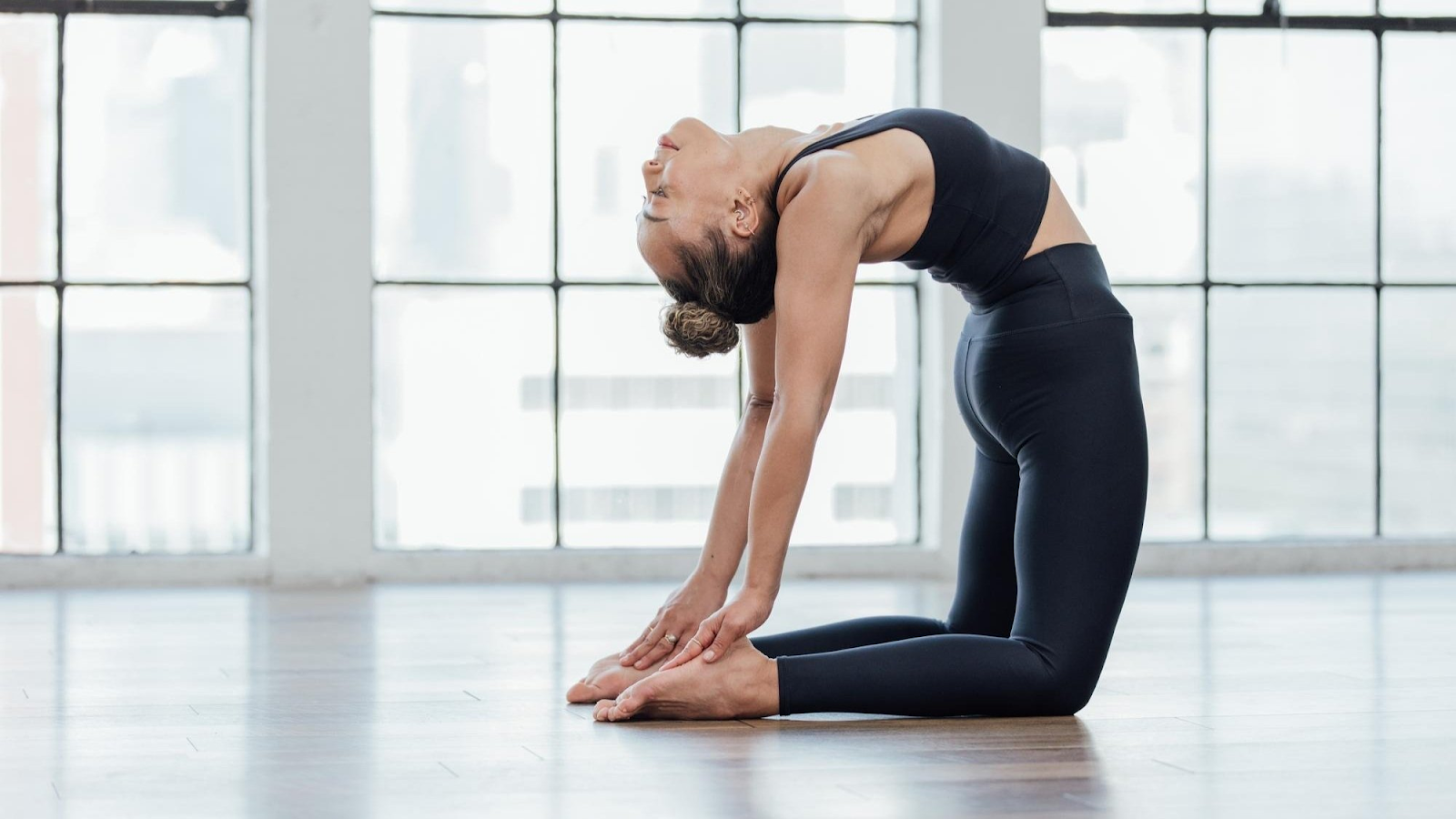
Quick Answer: Can Yoga Really Improve Your Posture?
Yes, yoga can significantly improve posture when practiced consistently. Here’s what you need to know:
- Strengthens postural muscles in the back, core, and shoulders that support proper alignment
- Increases body awareness helping you recognize and correct slouching throughout the day
- Releases tension in tight areas like chest and hip flexors that pull you out of alignment
- Shows results in 4-6 weeks with regular practice (3-4 times per week)
- Addresses root causes unlike temporary fixes, creating lasting postural improvements
Table of Contents
- Why Poor Posture Is More Dangerous Than You Think
- How Yoga Corrects Posture: The Science Behind the Practice
- 12 Best Yoga Poses for Posture Correction
- Creating Your Daily Posture-Fixing Yoga Routine
- Common Posture Problems and Yoga Solutions
- Tips to Maximize Your Posture Improvement Results
- FAQ: Your Posture and Yoga Questions Answered
Why Poor Posture Is More Dangerous Than You Think {#why-poor-posture-dangerous}
You’ve probably heard that slouching is bad for you, but the reality in 2026 is far more concerning than most people realize. With the average person spending 11+ hours daily on digital devices, according to recent data from the American Chiropractic Association, poor posture has evolved from a cosmetic concern into a legitimate health crisis.
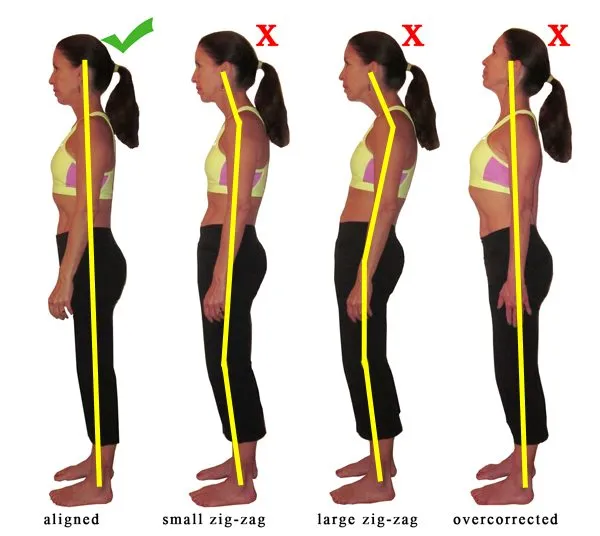
Poor posture doesn’t just make you look less confident—it fundamentally alters how your body functions. When your spine deviates from its natural S-curve alignment, you create a domino effect of physical problems.
The Hidden Health Costs of Bad Posture:
- Chronic pain syndromes: Misalignment creates muscle imbalances that lead to persistent neck, shoulder, and lower back pain affecting 80% of adults at some point in their lives
- Reduced lung capacity: Slouching can decrease oxygen intake by up to 30%, leaving you feeling constantly fatigued
- Digestive issues: Compressed abdominal organs struggle to function properly, contributing to acid reflux and sluggish digestion
- Psychological impacts: Studies from Harvard University show that poor posture correlates with increased cortisol levels and decreased confidence
The good news? Yoga for posture offers a comprehensive solution that addresses both the physical and mental components of alignment. Unlike quick fixes or ergonomic band-aids, yoga retrains your body’s default positioning through mindful movement and strengthening.
How Yoga Corrects Posture: The Science Behind the Practice {#science-behind-yoga-posture}
Yoga doesn’t just tell your body to “stand up straight”—it systematically addresses the muscular imbalances, flexibility limitations, and awareness gaps that create poor posture in the first place.
The Three-Pillar Approach of Yoga for Posture
1. Strengthening Underactive Muscles
Poor posture typically involves weak posterior chain muscles. When you spend hours hunched over a screen, your upper back, lower traps, and deep core stabilizers essentially go to sleep. Yoga poses like Locust, Bow, and Warrior III specifically target these neglected muscle groups, building the strength needed to maintain proper alignment effortlessly.
Research published in the International Journal of Yoga in 2025 demonstrated that participants who practiced targeted yoga sequences showed a 34% increase in thoracic extensor strength after just eight weeks.
2. Lengthening Overactive Muscles
While some muscles weaken, others become chronically tight from compensation patterns. Your chest muscles, hip flexors, and neck flexors often shorten and pull your body out of alignment. Yoga’s emphasis on sustained stretching and breathing helps release this tension, creating space for your body to realign naturally.
3. Developing Proprioceptive Awareness
This is yoga’s secret weapon for posture. Proprioception—your body’s ability to sense its position in space—is dramatically enhanced through mindful yoga practice. As of 2026, neuroscience research confirms that regular yoga practitioners develop significantly better postural awareness, allowing them to self-correct throughout the day automatically.
The Breath-Posture Connection
Your breath directly influences your posture. Shallow chest breathing reinforces upper chest tension and forward head position. Yoga’s pranayama techniques retrain diaphragmatic breathing, which naturally encourages spinal lengthening and core engagement. Each deep breath becomes a micro-adjustment toward better alignment.
12 Best Yoga Poses for Posture Correction {#best-yoga-poses}
These poses specifically target the muscular imbalances and alignment issues that create poor posture. Practice them regularly for maximum benefit.
Upper Body Posture Poses
1. Cat-Cow Pose (Marjaryasana-Bitilasana)
This dynamic movement sequence increases spinal mobility and body awareness. The alternating flexion and extension teaches your spine to move through its full range while building strength in the stabilizing muscles.
How to practice: Start on hands and knees, alternate between arching your back (cow) and rounding it (cat) with your breath. Perform 10-15 slow repetitions, focusing on moving each vertebra sequentially.
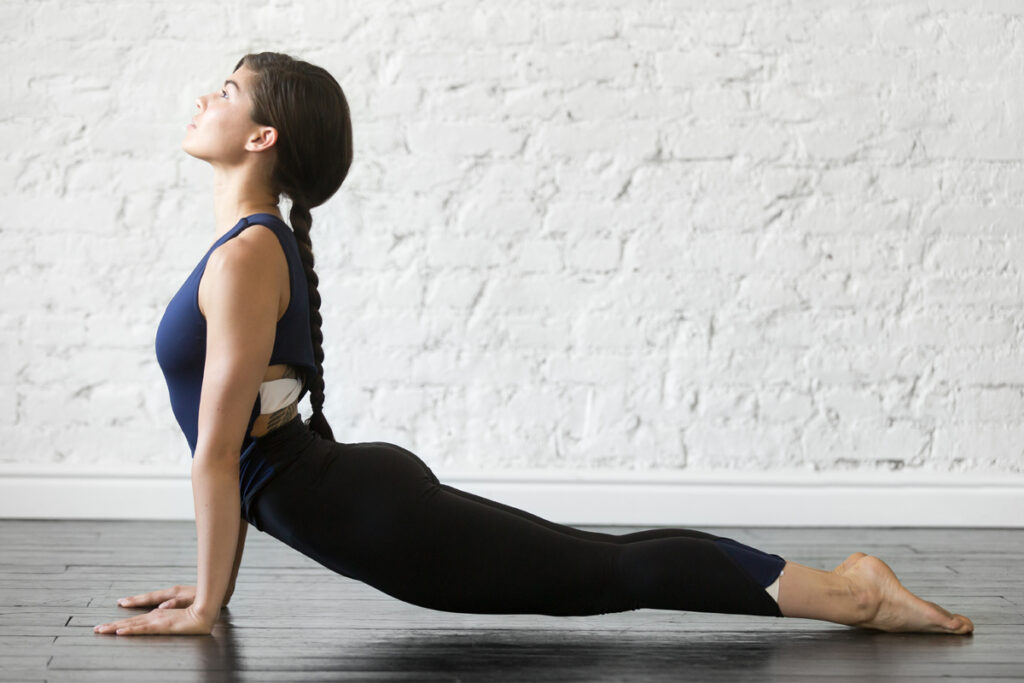
2. Cobra Pose (Bhujangasana)
Cobra directly strengthens the spinal extensors that pull your shoulders back and down. It also opens the chest, counteracting the collapsed posture from desk work.
Key alignment: Keep elbows close to your ribs, engage your legs, and lift from your back muscles rather than pushing with your hands. Hold for 5-8 breaths.
3. Reverse Plank Pose (Purvottanasana)
This powerful pose strengthens your entire posterior chain while opening the chest and shoulders. It’s like a full-body posture correction in one position.
Modification tip: Bend your knees if the full pose feels too intense. Focus on lifting your hips high and drawing shoulder blades together.
4. Thread the Needle Pose (Parsva Balasana)
This gentle twist releases tension in the upper back and shoulders while improving thoracic spine mobility—crucial for reversing rounded shoulders.
Duration: Hold each side for 8-10 breaths, allowing gravity to deepen the stretch naturally.
Core and Lower Body Poses
5. Plank Pose (Phalakasana)
Proper plank alignment mirrors ideal standing posture. Building core endurance in plank translates directly to better postural stamina throughout your day.
Common mistake to avoid: Don’t let your hips sag or pike too high. Maintain a straight line from head to heels, engaging your entire core.
6. Boat Pose (Navasana)
This challenging core strengthener develops the deep abdominal muscles that support your spine from the front, preventing excessive lumbar arch.
Progression: Start with bent knees, progress to straight legs as strength builds. Hold for 20-30 seconds, rest, and repeat 3-5 times.
7. Bridge Pose (Setu Bandha Sarvangasana)
Bridge strengthens your glutes and hamstrings while opening hip flexors—addressing lower cross syndrome, a common postural imbalance pattern.
Enhancement: Squeeze a block between your thighs to activate inner thighs and stabilize your pelvis. Hold for 8-12 breaths.
8. Downward-Facing Dog (Adho Mukha Svanasana)
This foundational pose lengthens the entire posterior chain, from calves to shoulders, while building shoulder stability and core strength.
Focus point: Press firmly through your hands, externally rotate your upper arms, and reach your sitting bones toward the ceiling. Hold for 5-10 breaths.
Full-Body Alignment Poses
9. Mountain Pose (Tadasana)
Don’t underestimate this “simple” standing pose. Mountain is the blueprint for all postural alignment, teaching you precisely how proper posture should feel.
Practice deliberately: Stand with feet hip-width apart, distribute weight evenly, engage thighs, tilt pelvis neutral, draw shoulders back and down, lengthen through the crown of your head. Hold for 1-2 minutes, building awareness.
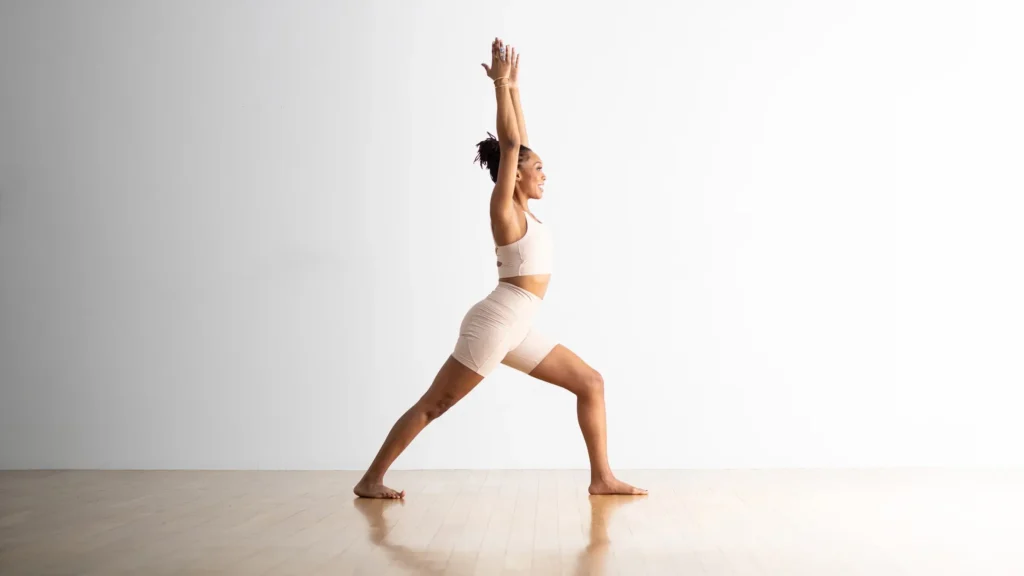
10. Warrior I (Virabhadrasana I)
Warrior I builds leg strength while encouraging thoracic extension and shoulder opening. The upward reach naturally lifts and opens the chest.
Alignment key: Square your hips forward, engage your back leg strongly, and reach actively through your fingertips. Hold each side for 5-8 breaths.
11. Tree Pose (Vrksasana)
Balance poses like Tree develop the small stabilizing muscles throughout your body while training the constant micro-adjustments that maintain good posture.
Benefits: Improves proprioception, strengthens feet and ankles, encourages spinal lengthening. Hold each side for 30-60 seconds.
12. Child’s Pose (Balasana)
While primarily a resting pose, Child’s Pose gently releases lower back tension and encourages forward spinal lengthening with breath awareness.
Variation: For shoulder opening, reach arms forward actively and walk hands to one side, then the other, stretching the lats and upper back. Hold 1-2 minutes.
Creating Your Daily Posture-Fixing Yoga Routine {#daily-routine}
Consistency trumps intensity when using yoga for posture correction. A short daily practice delivers better results than occasional marathon sessions.
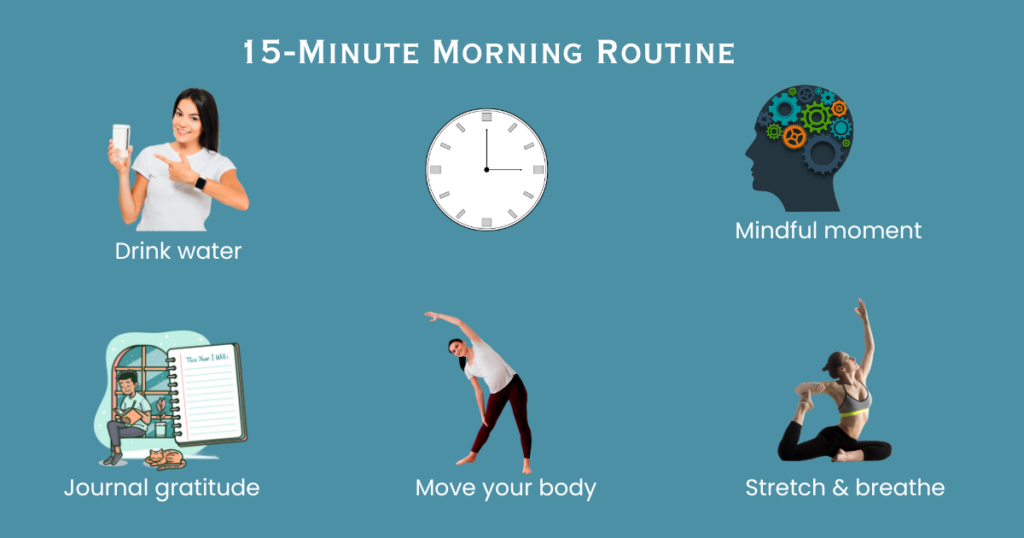
The 15-Minute Morning Posture Routine
This sequence targets all major postural muscle groups and can be done immediately after waking:
- Cat-Cow (2 minutes): Warm up spine
- Downward Dog (1 minute): Lengthen posterior chain
- Cobra (3 reps, 30 seconds each): Strengthen back extensors
- Plank (3 rounds of 30-45 seconds): Build core endurance
- Bridge (3 reps, 45 seconds each): Activate glutes and open hip flexors
- Thread the Needle (1 minute each side): Release shoulder tension
- Mountain Pose (2 minutes): Embody proper alignment
Progression strategy: Start with this routine 3-4 days per week. After two weeks, increase frequency to 5-6 days. After one month, consider adding afternoon “posture check” sessions.
The 5-Minute Desk Break Sequence
For workplace posture maintenance, practice this quick sequence every 2-3 hours:
- Seated Cat-Cow variations
- Seated spinal twists (both sides)
- Shoulder rolls and chest stretches
- Standing forward fold
- Brief Mountain Pose reset
According to 2026 workplace wellness research, employees who performed these micro-practices showed 47% less neck and shoulder pain compared to controls.
Common Posture Problems and Yoga Solutions {#common-problems}
Understanding your specific postural deviation helps you target your practice effectively.
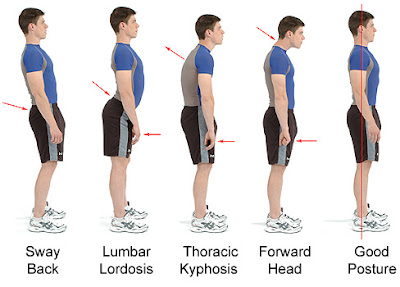
Forward Head Posture (Text Neck)
The Problem: Your head juts forward, placing up to 60 pounds of pressure on your cervical spine instead of the normal 10-12 pounds.
Yoga Solution:
- Primary poses: Cobra, Reverse Plank, Thread the Needle
- Key action: Strengthen deep neck flexors and stretch chest
- Daily practice: Chin tucks (10 reps) combined with chest-opening poses
Rounded Shoulders (Upper Crossed Syndrome)
The Problem: Shoulders rotate inward, chest collapses, upper back rounds.
Yoga Solution:
- Primary poses: Reverse Plank, Cow Face arms, Cobra variations
- Key action: Strengthen rhomboids and lower traps, release pecs
- Focus: External rotation movements and shoulder blade retraction
Anterior Pelvic Tilt
The Problem: Lower back excessively arched, belly protrudes, hip flexors tight.
Yoga Solution:
- Primary poses: Bridge, Boat, Plank, Low Lunge variations
- Key action: Strengthen glutes and core, stretch hip flexors
- Cue to remember: “Tuck tailbone slightly” in all poses
Swayback Posture
The Problem: Hips push forward, upper body leans back, appears “slouchy.”
Yoga Solution:
- Primary poses: Warrior I, Chair Pose, High Lunge
- Key action: Strengthen hip flexors and lower abs, engage entire core
- Practice emphasis: Active standing poses with pelvic alignment focus
Tips to Maximize Your Posture Improvement Results {#maximize-results}
Beyond the poses themselves, these strategies accelerate your posture transformation.
1. Practice with Mirrors Initially
Visual feedback helps you understand what proper alignment feels like. Practice key poses in front of a mirror for the first 2-3 weeks, then transition to proprioceptive awareness.
2. Set Hourly Posture Reminders
As of 2026, numerous apps send gentle vibration reminders to check your posture. These micro-corrections throughout the day reinforce your yoga practice.
3. Photograph Your Progress
Take monthly side-view photos in the same position. Visual evidence of improvement provides powerful motivation and helps you identify remaining areas to address.
4. Combine Yoga with Ergonomic Adjustments
Optimize your workspace setup while practicing yoga for posture. Proper desk height, monitor position, and chair support multiply your results.
5. Address the Mental Component
Stress and emotional states directly affect posture. Incorporate meditation and pranayama into your practice to address psychological contributors to slouching.
6. Stay Hydrated for Fascial Health
Your connective tissue (fascia) requires proper hydration to maintain elasticity. Drink adequate water to support the structural changes you’re creating through yoga.
7. Be Patient with the Process
Postural patterns developed over years require time to reverse. Expect noticeable improvements in 4-6 weeks, with more significant changes emerging over 3-6 months of consistent practice.
FAQ: Your Posture and Yoga Questions Answered {#faq-section}
Q: How long does it take for yoga to improve posture?
A: Most practitioners notice increased body awareness and reduced pain within 2-3 weeks of consistent practice. Visible structural changes typically emerge after 6-8 weeks of practicing yoga for posture 3-4 times weekly. Complete postural retraining may take 6-12 months depending on severity.
Q: Can yoga fix years of bad posture?
A: Yes, yoga can significantly improve even long-standing postural issues. While severe structural changes may not completely reverse, consistent practice can retrain muscle patterns, increase flexibility, and develop the strength needed for better alignment. Age and dedication level affect timeline, but improvement is possible at any stage.
Q: Which type of yoga is best for posture correction?
A: Hatha, Iyengar, and gentle Vinyasa yoga are most effective for posture improvement. Iyengar yoga specifically emphasizes precise alignment and uses props for support, making it ideal for corrective work. Avoid advanced Vinyasa or power yoga initially, as improper form at fast pace can reinforce poor patterns.
Q: Should I do yoga for posture in the morning or evening?
A: Morning practice is generally more effective for posture improvement because it sets your alignment for the entire day. However, evening practice helps release accumulated tension. Ideally, practice a longer sequence in the morning and a brief tension-release session in the evening.
Q: Can yoga make posture worse if done incorrectly?
A: Yes, practicing yoga with improper alignment can reinforce poor postural habits. This is why starting with beginner-friendly classes, using mirrors for feedback, or working with a qualified instructor is important. Focus on quality over quantity—10 minutes of properly aligned practice beats 60 minutes of sloppy execution.
Q: Do I need special equipment for posture-focused yoga?
A: While yoga for posture can be practiced with just a mat, a few props enhance effectiveness: a yoga block for support in poses, a strap for improving shoulder flexibility, and a foam roller for releasing tight muscles. None are mandatory, but they facilitate proper alignment.
Q: How often should I practice yoga for noticeable posture improvement?
A: Practice at least 3-4 times per week for noticeable results. Daily 15-20 minute sessions are more effective than three weekly hour-long classes. Consistency matters more than duration for retraining postural patterns.
Q: Can yoga help with posture if I have scoliosis?
A: Yoga can be beneficial for mild scoliosis by strengthening supporting muscles and improving flexibility. However, work with a qualified yoga therapist who can modify poses for your specific curve pattern. Some poses may need to be avoided or adapted depending on your condition.
Q: What’s the difference between yoga and physical therapy for posture?
A: Physical therapy typically focuses on specific targeted exercises for particular issues, while yoga for posture provides a holistic approach including strength, flexibility, body awareness, and breath work. Many people benefit from combining both—physical therapy for specific problems and yoga for overall postural health.
Q: Will my posture return to normal if I stop doing yoga?
A: Without maintenance, some regression is likely, though you won’t immediately return to your starting point. The body awareness and strength you’ve developed provide lasting benefits. To maintain results, practice 1-2 times weekly minimum once you’ve achieved your posture goals.
Q: Can I practice yoga for posture if I have back pain?
A: Yes, gentle yoga is often recommended for back pain, as many cases stem from postural issues. However, consult with a healthcare provider first, avoid poses that increase pain, and consider working with a yoga therapist initially to ensure proper modifications.
Q: Does age affect how well yoga improves posture?
A: While younger people may see faster results due to greater tissue elasticity, yoga for posture is effective at any age. Older practitioners often experience significant improvements in pain reduction and functional ability. Adaptation and patience are key, but age itself isn’t a barrier.
Conclusion: Your Journey to Better Posture Starts Now
Yoga for posture isn’t just about standing taller—it’s about reclaiming your body’s natural alignment, reducing pain, and moving through life with greater ease and confidence. The 12 poses outlined above provide a comprehensive toolkit for addressing virtually any postural deviation, from text neck to anterior pelvic tilt.
Key takeaways to remember:
- Consistency beats intensity—practice 15 minutes daily rather than sporadic long sessions
- Address both tight and weak muscles for balanced correction
- Develop body awareness through mindful practice, not just physical movement
- Expect gradual improvement over weeks and months, not overnight transformation
- Combine your yoga practice with ergonomic adjustments and posture awareness throughout the day
Start with the 15-minute morning routine and commit to 30 days of practice. Photograph yourself on day one and day 30 to see the tangible changes. Your future self—standing taller, moving pain-free, and breathing easier—will thank you for starting today.
Ready to dive deeper into your yoga practice? Explore our complete guide to discover [the best yoga poses for beginners] to support your posture-improvement journey.
Your posture transformation begins with a single practice. Roll out your mat and take that first conscious breath toward better alignment.