
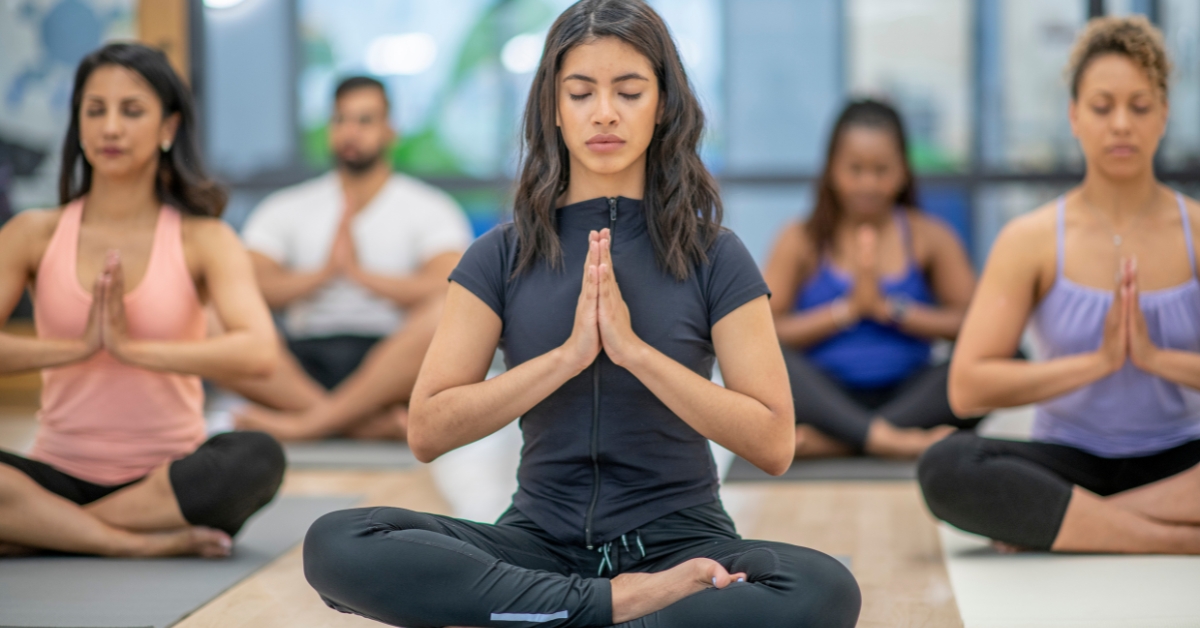
Feeling low, emotionally heavy, or disconnected is something many people experience at different times in life. While there is no single solution for emotional wellness, gentle practices like yoga can help support mood balance, grounding, and body–mind connection.
This guide explores how yoga may support emotional wellness, which movements can help shift low-energy states, and how mindfulness + breathwork contribute to a calmer internal environment.
(This is general wellness information only — not medical advice. If you’re struggling, please seek support from a qualified professional.)
Understanding Depression from a Wellness Perspective
Depression can affect:
✔ energy levels
✔ motivation
✔ sleep patterns
✔ appetite
✔ emotions
✔ thought patterns
Yoga does not replace professional help, but it can play a role in:
✔ creating routine
✔ supporting movement
✔ increasing breath awareness
✔ cultivating presence
✔ encouraging gentle self-care
These small elements can be helpful alongside other forms of support.
How Yoga Supports Mood and Emotional Wellness
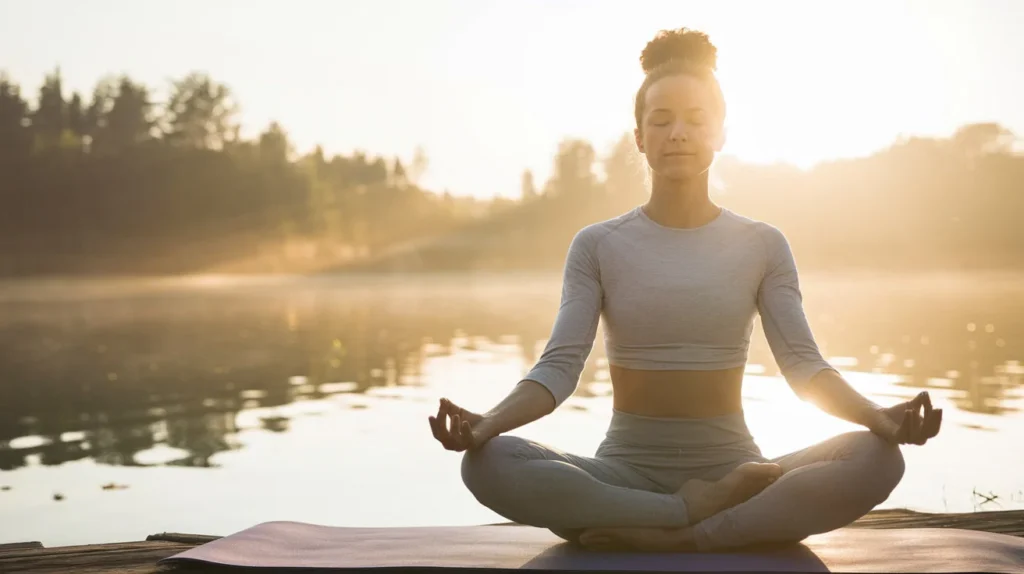
Yoga brings together three elements that influence mood:
Movement (Asana)
Low mood often leads to physical stagnation. Movement increases:
✔ circulation
✔ warmth
✔ energy
✔ body awareness
Gentle movement can help break the pattern of stillness associated with low mood.
Breathwork (Pranayama)
Breathing patterns shift with emotions. Slow, controlled breathing:
✔ calms the mind
✔ reduces tension
✔ increases oxygen flow
✔ regulates nervous system responses
Breath is the bridge between body and emotional state.
Mindfulness & Awareness
Low mood can create looping thoughts. Mindfulness helps by:
✔ anchoring attention in the present
✔ reducing rumination
✔ increasing clarity
✔ supporting acceptance
Over time, awareness can create more emotional resilience.
Best Yoga Poses for Mood Support
These gentle poses may help create grounding, openness, and mobility:
Child’s Pose (Balasana)
Encourages introspection and soothing breath.
✔ calming
✔ grounding
✔ restorative
Bridge Pose (Setu Bandha Sarvangasana)
Mild heart opener that can energize the body.
✔ opens chest
✔ improves circulation
✔ awakens core + legs
Cat–Cow Flow
Supports spinal fluidity and nervous system reset.
✔ warms the body
✔ reduces stiffness
✔ links breath with movement
Seated Forward Bend (Paschimottanasana)
Invites stillness and gentle release.
✔ encourages slow exhale
✔ stretches back body
✔ quiets the mind
Legs Up the Wall (Viparita Karani)
Deeply restorative pose for low-energy states.
✔ grounding
✔ relaxing
✔ supportive
Breathing Practices for Emotional Regulation
Breath is one of the most powerful mood-support tools.
Try these simple practices:
Extended Exhale Breathing
Exhale longer than inhale.
Example: Inhale 4 → Exhale 6.
Helps calm racing thoughts and tension.
Belly Breathing (Diaphragmatic)
Place hand on belly → inhale to expand → exhale to soften.
Supports emotional grounding and nervous system balance.
If you’re new to breathing, see our breathing exercises for beginners guide on YogaSniff — a great resource for mood-focused practices.
Mindfulness Tools for Low Mood States
Mindfulness is not about “stopping thoughts,” but about shifting the relationship to them.
Helpful mindfulness tools include:
✔ sensory grounding (touch, sound, sight)
✔ guided body scans
✔ gentle journaling
✔ gratitude listing
✔ breath counting
✔ slow movement practices
These tools help create small windows of relief and clarity.
Creating a Gentle Mood-Support Routine (10 Minutes)
Try this late-morning or afternoon routine:
- Cat–Cow: 1 minute
- Child’s Pose: 2 minutes
- Bridge Pose: 8–10 reps
- Seated Forward Fold: 1 minute
- Legs Up the Wall: 5 minutes
- Slow exhale breathing: 2 minutes
Low effort, zero equipment, fully doable at home.
Lifestyle Habits That Complement Yoga
Yoga works well when paired with:
✔ sunlight exposure
✔ daily walks
✔ regular hydration
✔ reducing screen overload
✔ having structure
✔ music + nature time
✔ connecting with others
These are all small but meaningful wellness supports.
Important Note About Professional Help
Yoga is a supportive practice, not a substitute for therapy or medical care. If you or someone you know is struggling with persistent depressive symptoms, please reach out to a qualified professional, counselor, or trusted support system.
Seeking help is a sign of strength, not weakness.
Frequently Asked Questions
Can yoga cure depression?
No — yoga is not a cure. It’s a supportive wellness tool that may complement other forms of care.
Is yoga safe for emotional struggles?
Gentle, restorative yoga can feel supportive for many people, but go at your own pace.
How often should I practice?
3–5 short sessions per week can be helpful for creating routine and movement.
Do I need to be flexible to start?
No — flexibility develops with consistent practice.
What type of yoga helps mood most?
Restorative, Yin, and slow Hatha flows are commonly used for emotional grounding.
Final Thoughts
Yoga for depression support isn’t about perfection — it’s about creating small windows of grounding, movement, and breath awareness throughout the day.
Tiny habits can lead to meaningful shifts over time.
Even 5 minutes of gentle yoga can become part of a larger emotional support system.
Whatever place you’re in, go slowly, be kind to yourself, and remember that support exists — both on and off the mat.