
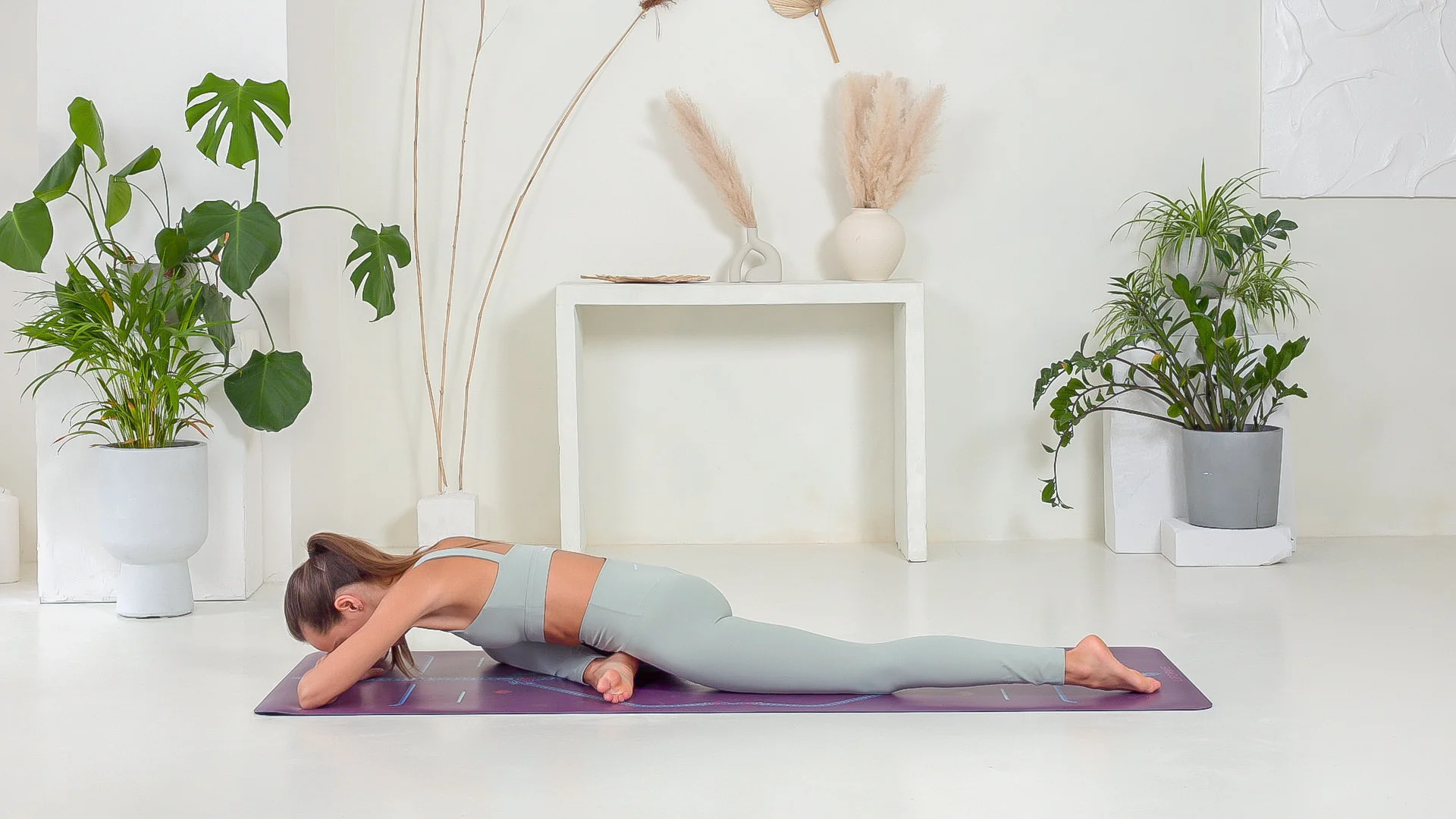
Feeling worried, overwhelmed, or mentally scattered has become increasingly common in modern life. Work demands, uncertainty, technology, relationships, and constant stimulation keep the mind in alert mode, which can lead to emotional overload.
Yoga offers a gentle, accessible way to support emotional balance, calm racing thoughts, and create a sense of groundedness through movement, breath, and awareness.
This guide explores how yoga supports emotional well-being, which poses are most soothing for anxiety, and how to build a calming routine at home — no experience required.
(Wellness content only — not medical advice.)
How Yoga Supports Emotional Balance
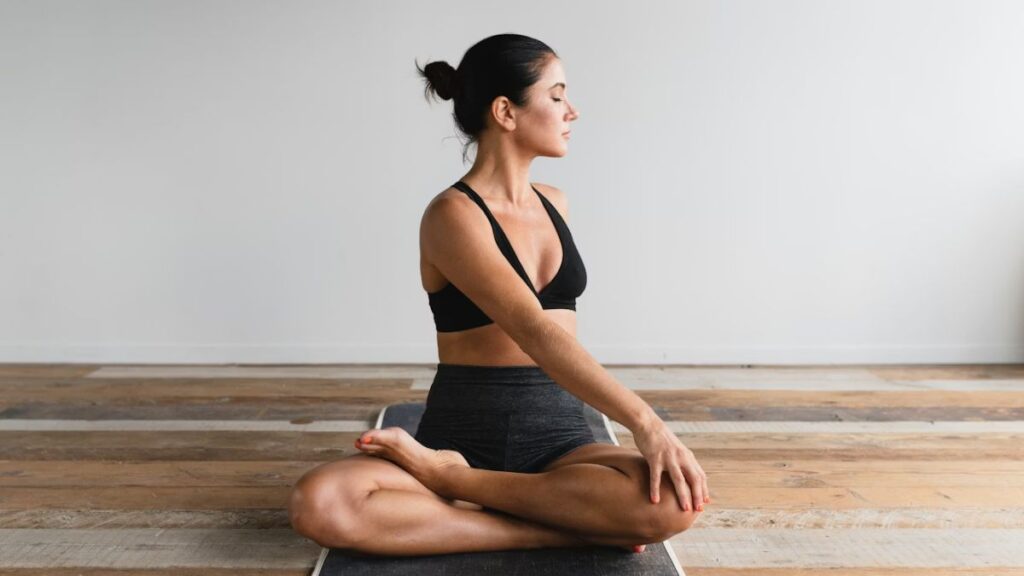
Yoga works on three interconnected layers:
✔ Body — releases physical tension
✔ Breath — signals safety to the nervous system
✔ Mind — cultivates presence & awareness
Anxiety often shows up physically as:
- tight chest
- shallow breathing
- racing heart
- clenched muscles
- restlessness
Yoga encourages the opposite state through:
✔ slower breathing
✔ mindful movement
✔ nervous system downshifting
✔ grounded postures
These shifts help reduce internal friction and create space for emotional clarity.
Mind-Body Connection: Why It Matters for Anxiety
Anxiety isn’t just mental — it’s embodied.
When emotions increase, the body reacts, and when the body tenses, the mind reacts back.
Yoga interrupts this loop by:
✔ expanding breath
✔ slowing movement
✔ reducing muscle tension
✔ shifting focus inward
This creates a feedback pattern that supports emotional steadiness.
Best Yoga Poses for Anxiety & Emotional Balance
These poses are calming, grounding, and beginner-friendly:
Child’s Pose (Balasana)
Promotes rest and deep breathing by rounding the spine.
✔ calming
✔ introspective
✔ grounding
Hold for 1–2 minutes while focusing on slow exhales.
Forward Fold (Uttanasana)
Encourages “letting go” and reduces tension in the back of the body.
✔ quiets mental chatter
✔ softens shoulders
✔ improves breath awareness
Bend knees slightly if hamstrings are tight.
Easy Pose with Forward Lean (Sukhasana)
A gentle seated posture that supports spinal release.
✔ soothing for busy minds
✔ encourages deeper breathing
✔ invites mindfulness
Great for journaling or breathwork sessions.
Bridge Pose (Setu Bandha Sarvangasana)
A mild heart-opening posture that relieves chest tightness.
✔ builds stability
✔ opens front side of body
✔ supports mood uplift
Move slowly and avoid forcing.
Legs Up the Wall (Viparita Karani)
One of the most effective restorative poses for anxiety.
✔ reduces physical stress
✔ promotes circulation
✔ allows mental reset
Hold for 5 minutes with eyes closed.
Breathing for Anxiety Relief
Breath is the fastest tool for emotional grounding because it directly influences the nervous system.
Try these calming breathing techniques:
Extended Exhale Breathing
Inhale 4 seconds → Exhale 6 seconds.
Longer exhales create downshift signals for calm mode.
4-4-6 Breathing
Inhale 4 → Hold 4 → Exhale 6.
Useful when emotions feel high or thoughts are fast.
Belly Breathing (Diaphragmatic)
Inhale so belly expands → exhale so it softens.
Encourages physical relaxation and mental clarity.
If you’re new to breathwork, explore our simple guide on breathing exercises for beginners—a perfect pairing with anxiety-focused routines.
Mindfulness Practices to Support Calmness
Mindfulness doesn’t require sitting still for long hours. It can look like:
✔ observing breath
✔ noting sensations
✔ scanning muscles
✔ journaling thoughts
✔ gentle movement
✔ gratitude rituals
The key is awareness instead of autopilot.
Try this simple 3-step mindfulness check:
- Where is my breath right now?
- Where is tension in my body?
- Can I soften one area by 10%?
Small awareness steps build emotional steadiness over time.
5-Minute Calming Yoga Routine for Anxiety
Use this anytime during the day:
- Child’s Pose — 1 minute
- Cat–Cow — 1 minute
- Forward Fold — 1 minute
- Easy Pose with breathing — 1 minute
- Legs Up the Wall — 1 minute
Great during lunch breaks, before sleep, or after stressful calls.
Evening Routine for Emotional Balance
Before bed, try:
✔ dimming lights
✔ lowering sound inputs
✔ 10 minutes of restorative yoga
✔ slow breathing
✔ journaling 3 simple gratitude notes
These shifts allow the mind to settle before sleep.
Frequently Asked Questions
Does yoga cure anxiety?
Yoga supports stress management and emotional balance, but it’s not a medical cure.
How often should I practice for emotional benefits?
3–5 sessions per week creates noticeable improvements over time.
Is meditation required for anxiety results?
Not required — yoga includes mindfulness built into movement.
Can beginners benefit from yoga for emotions?
Yes — beginners often feel changes quickly because the contrast is noticeable.
Which style is best for anxiety?
Restorative, Yin, gentle Hatha, and slow flows tend to be most calming.
Final Thoughts
Yoga for anxiety and emotional balance isn’t about complex poses — it’s about slowing down, returning to your breath, and reconnecting with your body in a gentle way.
With consistency, yoga can become a supportive daily ritual that helps you navigate life with more calm, clarity, and emotional steadiness.