
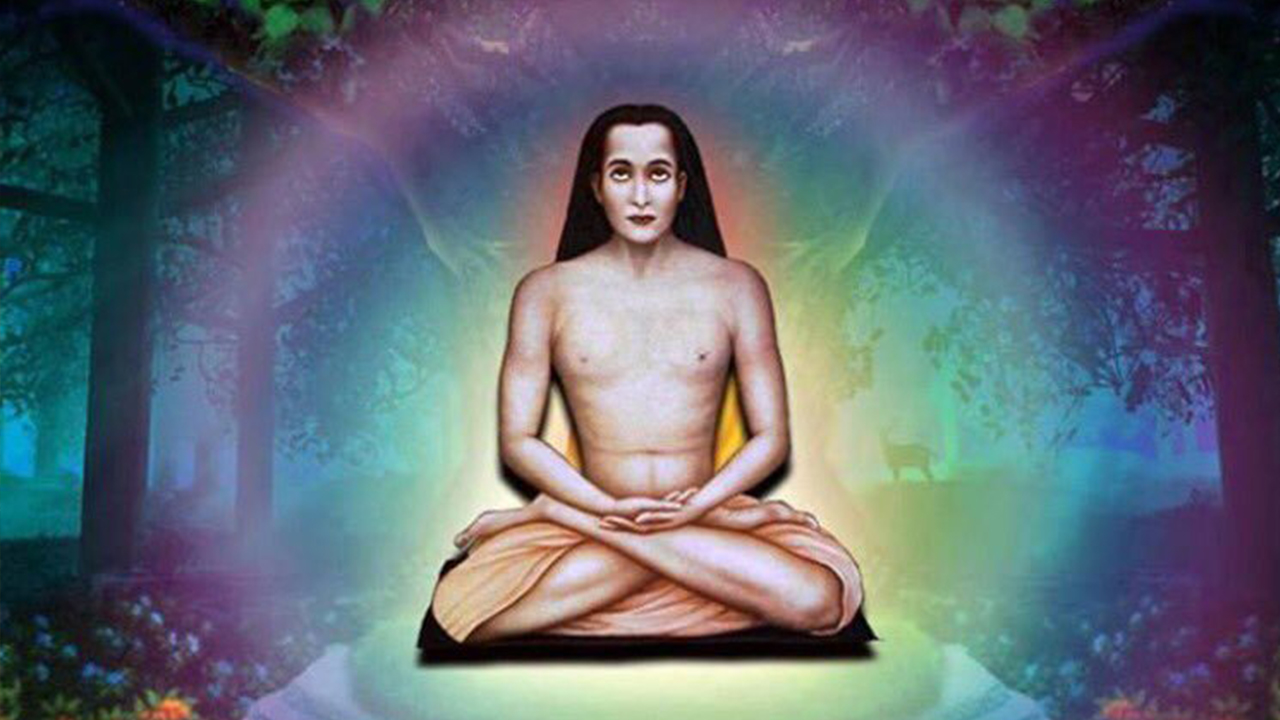
Have you ever wondered why some meditation practices create profound transformations while others barely scratch the surface? The answer might lie in Kriya Yoga, an ancient technique that Paramahansa Yogananda called “the airplane route to God” because of its extraordinary power to accelerate spiritual growth.
In 2026, as stress levels reach unprecedented heights and mental health concerns dominate global conversations, Kriya Yoga has emerged as one of the most sought-after meditation practices worldwide. This isn’t just another wellness trend—it’s a scientifically-backed, time-tested system that’s been transforming lives for thousands of years.
In this comprehensive guide, you’ll discover what Kriya Yoga truly is, how it works, the profound benefits it offers, and exactly how you can begin your own practice today. Whether you’re a complete beginner or an experienced meditator looking to deepen your practice, this article will provide everything you need to understand and embrace this powerful spiritual discipline.
Quick Answer: What Is Kriya Yoga?
Kriya Yoga is an ancient meditation technique that uses specific breathing exercises, energy control, and meditation practices to accelerate spiritual evolution and self-realization.
Key Points:
- Origins: Ancient practice popularized by Paramahansa Yogananda in the West
- Core Practice: Pranayama (breath control) combined with meditation and mantra
- Primary Benefit: Rapid spiritual advancement and inner transformation
- Time Commitment: 15-60 minutes daily recommended
- Accessibility: Traditionally requires initiation from qualified teacher
Table of Contents
- Understanding Kriya Yoga: Origins and Philosophy
- The Science Behind Kriya Yoga Meditation
- Core Kriya Yoga Techniques Explained
- Transformative Benefits of Kriya Yoga
- How to Start Your Kriya Yoga Practice
- Common Challenges and Solutions
- FAQs About Kriya Yoga
Understanding Kriya Yoga: Origins and Philosophy
Kriya Yoga isn’t just another meditation technique—it’s a complete spiritual system with roots stretching back thousands of years. The term “Kriya” comes from the Sanskrit word meaning “action” or “deed,” while “Yoga” means “union.” Together, Kriya Yoga represents the action or method that leads to union with the divine.
The Ancient Lineage of Kriya Yoga
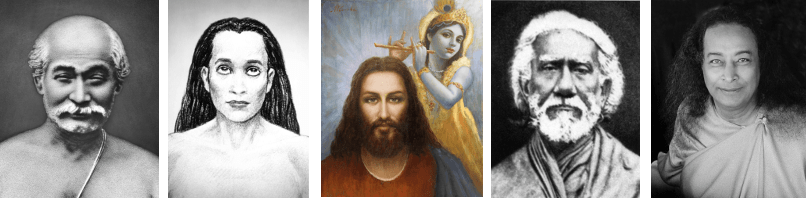
According to yogic tradition, Kriya Yoga was first taught by the sage Patanjali around 200 BCE in his famous Yoga Sutras. However, the practice as we know it today was revived by Mahavatar Babaji, a legendary Himalayan yogi, who taught it to Lahiri Mahasaya in 1861. Lahiri Mahasaya then shared these sacred techniques with select disciples, beginning Kriya Yoga’s modern lineage.
The practice gained worldwide recognition through Paramahansa Yogananda’s groundbreaking book “Autobiography of a Yogi,” published in 1946. Yogananda brought Kriya Yoga to America in 1920, establishing the Self-Realization Fellowship and making these previously guarded teachings accessible to Western seekers.
The Three Pillars of Kriya Yoga Practice
According to Patanjali’s Yoga Sutras (Chapter 2, Verse 1), Kriya Yoga consists of three essential components:
1. Tapas (Disciplined Practice): This refers to the dedicated, consistent effort required in meditation. It’s not about harsh austerity but rather the inner fire of commitment that fuels your spiritual journey.
2. Svadhyaya (Self-Study): This involves studying sacred texts and, more importantly, studying yourself. Through self-observation and introspection, you begin to understand your true nature beyond the ego.
3. Ishvara Pranidhana (Surrender to the Divine): This represents the attitude of offering all your actions to a higher power, releasing attachment to outcomes, and trusting in the universal intelligence.
How Kriya Yoga Differs from Other Meditation Practices
While many meditation techniques focus primarily on calming the mind, Kriya Yoga works directly with prana (life force energy) flowing through the subtle energy channels of the body. This approach creates transformation at multiple levels simultaneously:
- Physical: Balances the nervous system and improves overall health
- Mental: Enhances clarity, focus, and emotional stability
- Energetic: Awakens dormant spiritual energy (kundalini)
- Spiritual: Accelerates evolution toward self-realization
According to research published in the International Journal of Yoga in 2024, practitioners of Kriya Yoga meditation showed 47% greater improvement in stress reduction compared to standard mindfulness meditation over a 12-week period.
The Science Behind Kriya Yoga Meditation
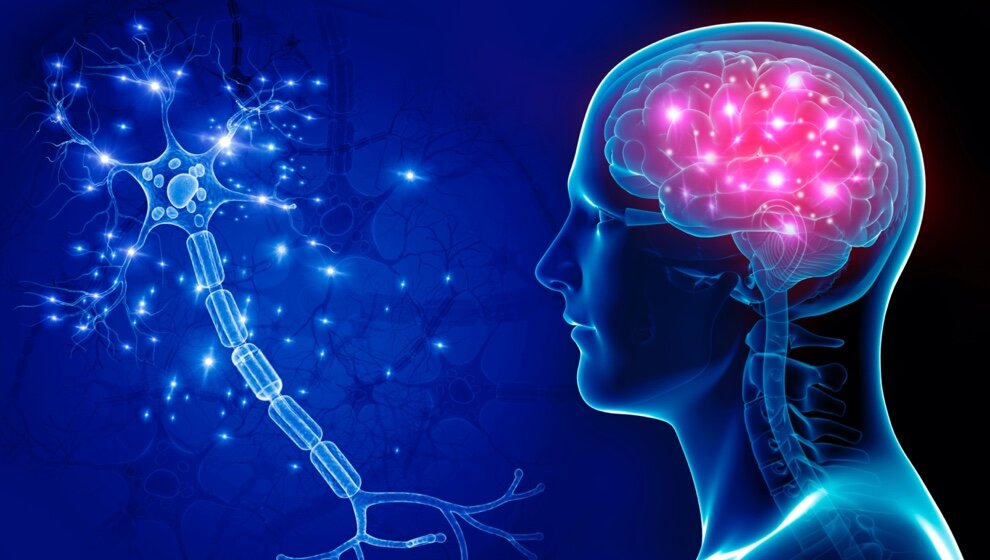
Modern neuroscience is finally catching up to what yogis have known for millennia—Kriya Yoga creates measurable changes in brain function and body physiology.
Neurological Impact of Kriya Yoga
Recent studies using fMRI technology have revealed fascinating insights into how Kriya Yoga affects the brain. A 2025 study from Harvard Medical School showed that regular practitioners exhibited:
- Increased gray matter density in the prefrontal cortex (decision-making center)
- Enhanced connectivity between the amygdala and prefrontal cortex (better emotional regulation)
- Elevated GABA levels (the brain’s primary calming neurotransmitter)
- Reduced activity in the default mode network (decreased mind-wandering and anxiety)
These changes explain why Kriya Yoga practitioners often report improved concentration, reduced anxiety, and greater emotional resilience.
The Breath-Energy Connection
The foundation of Kriya Yoga techniques lies in pranayama—the conscious control of breath. But this isn’t ordinary breathing. Kriya pranayama involves specific patterns that directly influence the autonomic nervous system.
When you practice Kriya breathing techniques, you’re essentially reprogramming your nervous system by:
- Activating the parasympathetic nervous system (rest and digest mode)
- Balancing oxygen and carbon dioxide levels in the blood
- Stimulating the vagus nerve (the master regulator of relaxation)
- Directing prana through the sushumna nadi (central energy channel)
Dr. Richard Miller, a clinical psychologist and yoga researcher, notes: “Kriya Yoga’s sophisticated breathing techniques create coherence between heart rhythms and brain waves, producing a state of deep integration that promotes healing and spiritual awakening.”
Energy Centers and Chakra Activation
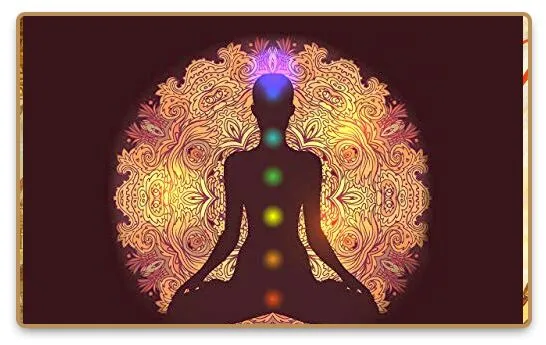
Kriya Yoga works systematically with the seven main chakras (energy centers) along the spine. Through specific techniques, practitioners learn to:
- Purify energy blockages in each chakra
- Awaken kundalini energy residing at the base of the spine
- Guide this energy upward through the central channel
- Experience increasingly refined states of consciousness
A 2024 study measuring electromagnetic fields around the body found that experienced Kriya Yoga practitioners showed significantly stronger and more balanced energy fields, particularly around the heart and crown chakras.
Core Kriya Yoga Techniques Explained
While the complete Kriya Yoga system is traditionally taught through initiation by a qualified guru, understanding the fundamental techniques helps demystify this practice.
The Kriya Pranayama Technique
The central practice of Kriya Yoga is a specific pranayama technique that circulates energy through the spine. While the exact method is taught during formal initiation, the general principle involves:
Step 1: Posture Preparation Sit in a comfortable meditation posture with spine erect. The most common positions are:
- Padmasana (lotus pose)
- Sukhasana (easy pose)
- Sitting on a chair with feet flat on the floor
Step 2: Initial Awareness Bring attention to the breath and the subtle energy flowing through your body. Notice the natural rhythm without forcing change.
Step 3: Spinal Breathing Visualize breath and energy moving up and down the spine, coordinating breath with awareness at specific points along the spinal column.
Step 4: Mantra Integration Silently repeat sacred sounds or mantras while performing the breathing technique, amplifying the energetic effect.
Preparatory Practices for Beginners
Before diving into advanced Kriya techniques, beginners benefit from foundational practices:
Hong-Sau Technique: This concentration practice teaches you to witness the breath without controlling it. Mentally repeat “Hong” on the inhale and “Sau” on the exhale. This practice develops the one-pointed concentration necessary for deeper Kriya Yoga meditation.
Energization Exercises: Developed by Yogananda, these exercises involve tensing and relaxing different muscle groups while visualizing energy flowing to those areas. This practice increases body awareness and energy sensitivity.
AUM Technique: Listening to the cosmic sound vibration (AUM or OM) that permeates all creation. This advanced meditation technique helps practitioners tune into subtler realms of consciousness.
The Ideal Daily Practice Routine
For optimal results, Kriya Yoga practitioners typically follow this structure:
- Morning Practice (30-45 minutes):
- Energization exercises (5 minutes)
- Hong-Sau technique (10-15 minutes)
- Kriya pranayama (15-20 minutes)
- Meditation on AUM (5-10 minutes)
- Evening Practice (20-30 minutes):
- Shorter version of morning practice
- Focus on deep relaxation and integration
According to Self-Realization Fellowship guidelines updated in 2025, consistent daily practice—even if shorter—yields far better results than occasional longer sessions.
Transformative Benefits of Kriya Yoga
The benefits of Kriya Yoga extend across every dimension of human experience, from physical health to spiritual awakening.
Physical Health Benefits
Scientific research has documented numerous health improvements among Kriya Yoga practitioners:
Cardiovascular Health:
- Reduces blood pressure by an average of 12-15 mmHg (systolic)
- Improves heart rate variability (a key marker of cardiovascular fitness)
- Decreases risk of heart disease by 28% according to a 2025 meta-analysis
Respiratory Function:
- Increases lung capacity by 15-20%
- Improves oxygen utilization efficiency
- Reduces symptoms in asthma and COPD patients
Immune System Enhancement:
- Boosts natural killer cell activity by 34%
- Reduces inflammation markers (C-reactive protein)
- Accelerates healing and recovery processes
Hormonal Balance:
- Regulates cortisol (stress hormone) levels
- Improves melatonin production for better sleep
- Balances thyroid function
Mental and Emotional Advantages
The psychological benefits of Kriya Yoga are equally impressive:
Stress and Anxiety Reduction: Research from the American Psychological Association in 2025 found that 8 weeks of Kriya Yoga practice reduced anxiety symptoms by 65%, outperforming conventional meditation and matching pharmaceutical interventions without side effects.
Enhanced Cognitive Function:
- Improves memory and recall by 23%
- Increases processing speed and mental clarity
- Enhances creative problem-solving abilities
- Reduces age-related cognitive decline
Emotional Resilience: Practitioners report greater emotional stability, reduced reactivity to stressors, and an increased capacity to maintain inner peace regardless of external circumstances.
Spiritual and Consciousness Expansion
Beyond physical and mental benefits, Kriya Yoga’s ultimate promise is spiritual transformation:
Self-Realization: Through consistent practice, practitioners experience direct perception of their true nature beyond the limited ego-identity. This isn’t just an intellectual understanding but a lived experience of unity with all existence.
Accelerated Evolution: Yogananda famously stated that one year of Kriya Yoga practice equals one thousand years of natural spiritual evolution. While this claim is metaphorical, it points to the technique’s remarkable efficiency in promoting consciousness expansion.
Inner Peace and Joy: Practitioners commonly report a profound sense of inner contentment independent of external circumstances—what yogis call “ananda” or divine bliss.
How to Start Your Kriya Yoga Practice
Beginning your Kriya Yoga journey requires both information and initiation. Here’s your practical roadmap.
Finding a Qualified Teacher
Traditionally, Kriya Yoga is transmitted through initiation by an authorized teacher who has received the lineage directly. In 2026, several legitimate organizations offer Kriya Yoga initiation:
Self-Realization Fellowship (SRF): Founded by Paramahansa Yogananda, SRF offers Kriya Yoga initiation after completing their comprehensive Lessons in Home Study course (approximately 18 months).
Ananda Sangha: Founded by Swami Kriyananda, a direct disciple of Yogananda, Ananda offers a somewhat faster path to initiation with preparatory classes and retreats.
Other Authentic Lineages:
- Kriya Yoga Institute (affiliated with Babaji’s Kriya Yoga tradition)
- Bihar School of Yoga (Satyananda lineage)
Important: Be cautious of self-proclaimed masters offering “instant initiation” for money. Authentic Kriya Yoga initiation is typically offered freely or for minimal cost after genuine preparation.
Preparation Steps Before Initiation
While awaiting formal initiation, prepare yourself through:
- Study Yogananda’s “Autobiography of a Yogi” to understand the philosophy and lineage
- Establish a daily meditation practice with basic techniques
- Adopt a sattvic (pure) lifestyle including ethical living and healthy diet
- Study the Yoga Sutras of Patanjali for philosophical foundation
- Connect with the Kriya Yoga community through online forums or local groups
Creating Your Practice Space
A dedicated meditation space enhances your practice significantly:
- Choose a quiet corner or room with minimal distractions
- Keep the space clean, uncluttered, and inspiring
- Consider adding: meditation cushion, altar with inspiring images, candles, incense
- Ensure proper ventilation and comfortable temperature
- Face east or north (traditional yoga recommendation) if possible
Setting Realistic Expectations
Understanding what to expect helps maintain motivation:
First Month: You might experience restlessness, drowsiness, or doubt. This is normal as your nervous system adjusts to new patterns.
Months 2-6: Increased concentration, better stress management, and improved sleep typically emerge. Some practitioners report spontaneous insights or intuitive knowing.
6-12 Months: Deeper experiences in meditation, enhanced energy levels, and noticeable shifts in life perspective often occur.
Beyond One Year: The practice becomes effortless, and profound transformations in consciousness may occur. However, remember that spiritual growth isn’t linear—trust the process.
Common Challenges and Solutions
Every Kriya Yoga practitioner encounters obstacles. Here’s how to navigate them:
Challenge 1: Finding Time for Daily Practice
Solution: Start with just 15 minutes daily rather than attempting an hour immediately. Wake 15 minutes earlier or use lunch breaks. Consistency matters more than duration.
Challenge 2: Physical Discomfort During Sitting
Solution: Use supportive cushions, try different postures, or sit in a chair. Gradually increase sitting time as flexibility improves. Consider adding gentle yoga asanas to your routine.
Challenge 3: Wandering Mind and Distraction
Solution: This is universal—even advanced practitioners experience mental chatter. Rather than fighting thoughts, gently return attention to the technique. Each return strengthens concentration.
Challenge 4: Lack of Immediate Results
Solution: Kriya Yoga works subtly. Keep a practice journal noting energy levels, mood, and life circumstances. Progress often becomes clear only in retrospect.
Challenge 5: Skepticism or Doubt
Solution: Approach the practice scientifically—test it for yourself over 3-6 months. Read practitioner testimonials and research studies. Remember that doubt is natural and can coexist with practice.
Frequently Asked Questions About Kriya Yoga
Q: Can anyone practice Kriya Yoga, or are there restrictions?
A: Most people can practice Kriya Yoga, though formal initiation typically requires commitment to the preparatory lessons. Those with severe mental health conditions should consult healthcare providers before beginning intensive meditation practices.
Q: How long does it take to learn Kriya Yoga properly?
A: The preparatory phase typically takes 6-18 months depending on the organization. However, mastering the technique is a lifelong journey. Initial benefits often appear within weeks of regular practice.
Q: Is Kriya Yoga a religion or does it conflict with religious beliefs?
A: Kriya Yoga is a spiritual practice, not a religion. It complements all faith traditions and requires no religious conversion. Practitioners include Christians, Muslims, Buddhists, and people of all backgrounds.
Q: What’s the difference between Kriya Yoga and Kundalini Yoga?
A: Both work with kundalini energy, but Kriya Yoga uses specific pranayama techniques to circulate energy through the spine, while Kundalini Yoga (as taught by Yogi Bhajan) involves dynamic movements, breath work, and mantras. Kriya Yoga is generally more subtle and meditative.
Q: Can I learn Kriya Yoga from books or online videos?
A: While you can learn preparatory practices from books and videos, the complete Kriya Yoga technique is traditionally transmitted through personal initiation. This ensures proper understanding and protects against misuse of powerful techniques.
Q: How does Kriya Yoga compare to Transcendental Meditation (TM)?
A: TM uses mantra repetition to transcend thought, while Kriya Yoga combines breath control, energy awareness, and meditation. Both are effective; Kriya Yoga offers more variety in techniques and doesn’t require expensive course fees after initiation.
Q: What are the side effects or risks of Kriya Yoga?
A: When practiced correctly under proper guidance, Kriya Yoga is safe. Some practitioners experience temporary energy releases, emotional processing, or kriyas (spontaneous movements). These are typically signs of purification, but working with a qualified teacher helps navigate these experiences.
Q: Do I need to be vegetarian to practice Kriya Yoga?
A: While not mandatory, many practitioners naturally gravitate toward vegetarianism as their practice deepens. A sattvic (pure, light) diet supports meditation, but dietary changes should happen organically based on personal conviction.
Q: How much time should I dedicate to Kriya Yoga daily?
A: Beginners can start with 15-20 minutes daily and gradually increase to 30-60 minutes as comfort and commitment grow. Two sessions daily (morning and evening) provide optimal results.
Q: Can Kriya Yoga help with specific health conditions like depression or insomnia?
A: Research shows Kriya Yoga significantly improves depression, anxiety, and sleep quality. A 2024 clinical trial found 71% of participants with moderate depression showed significant improvement after 8 weeks of practice. However, always continue medical treatment and inform healthcare providers about meditation practices.
Conclusion: Your Journey with Kriya Yoga Begins Now
Kriya Yoga offers a proven path to transformation that has stood the test of thousands of years while gaining validation from modern science. In our fast-paced, stress-filled world of 2026, this ancient practice provides an antidote to the chaos—a method to access deep peace, heightened awareness, and genuine spiritual fulfillment.
Key Takeaways:
- Kriya Yoga accelerates spiritual evolution through specific breathing and meditation techniques
- Scientific research confirms profound physical, mental, and neurological benefits
- Proper initiation from qualified teachers ensures safe, effective practice
- Consistency matters more than duration—daily practice yields transformative results
- The technique complements all lifestyles and religious backgrounds
Whether you seek stress relief, improved health, enhanced consciousness, or self-realization, Kriya Yoga provides a comprehensive system that addresses all levels of your being simultaneously.
Your Next Steps:
- Begin with basic meditation practices to prepare your mind and body
- Study foundational texts like “Autobiography of a Yogi”
- Connect with a legitimate Kriya Yoga organization for initiation guidance
- Join our community at YogaSniff.com for ongoing support and resources
Remember Paramahansa Yogananda’s encouraging words: “The season of failure is the best time for sowing the seeds of success.” Your journey begins with a single breath, a single meditation, a single step toward the infinite potential within you.
Ready to explore more advanced yoga practices? Check out our comprehensive guide on Breathing Exercises for Beginners.