
Glutes (gluteus muscles) are the powerhouse of your lower body. They support walking, sitting, climbing stairs, squatting, and athletic movement.
However, long hours of sitting, sedentary routines, and low mobility can make glutes tight and stiff, affecting comfort and flexibility.
This beginner-friendly 2026 guide explains what glute stretches are, why they matter, how to perform them safely, and common mistakes to avoid — without medical claims.
What Are Glute Stretches?
Glute stretches target the muscles around the hips and buttocks, mainly:
- Gluteus Maximus
- Gluteus Medius
- Gluteus Minimus
These stretches help improve muscular flexibility and mobility in the hip region, which may support:
- sitting comfort
- walking ease
- leg movement
- balance in yoga postures
Why Glute Stretches Matter (Non-Medical Awareness)
Many beginners don’t realize how much glutes influence everyday movements.
Tight glutes may create discomfort during:
- sitting
- bending
- lifting
- climbing stairs
- basic yoga postures
- deep squats
Stretching this region can help improve:
✔ lower-body mobility
✔ hip comfort during sitting
✔ posture awareness
✔ ease in yoga poses like warrior & pigeon
✔ body alignment during daily tasks
Note: This guide shares general wellness awareness, not treatment.
Best Glute Stretches for Beginners (Step-by-Step)
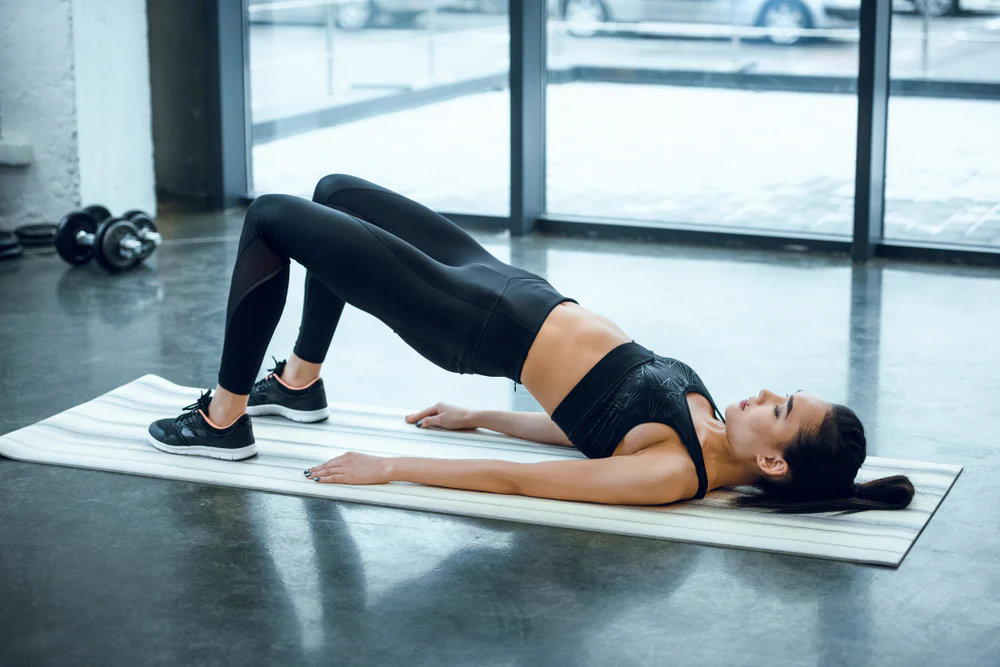
Below are simple beginner-friendly stretches you can practice at home without equipment.
1. Seated Figure-4 Stretch (Beginner Friendly)
How to do:
- Sit on a mat with legs extended.
- Bend your right knee and place the right ankle on top of the left thigh.
- Gently hinge forward while keeping the spine long.
- Hold for 20–30 seconds.
- Switch sides.
What you may feel:
A steady stretch on the outer hips and glute region.
Why it helps:
Good for people who sit long hours, especially at a desk.
2. Supine Figure-4 Stretch (On Your Back)
How to do:
- Lie on your back with knees bent.
- Cross right ankle over left knee (like forming “4”).
- Thread your hands behind the left thigh and gently pull it toward you.
- Hold for 20–30 seconds.
- Switch sides.
Why beginners love it:
The floor supports your back → easier to relax into the stretch.
3. Pigeon Pose (Eka Pada Rajakapotasana Variation)
This is a classical yoga posture that opens the outer glutes and hips.
How to do:
- Begin in tabletop position.
- Bring right knee forward behind the right wrist.
- Extend the left leg straight back.
- Keep hips as level as comfortable.
- Lean forward for increased stretch.
- Hold for 20–40 seconds.
- Switch sides.
Notes:
- Avoid forcing the knee.
- Use cushions if hips are high off the floor.
This pose supports hip opening in many yoga sequences.
4. Standing Figure-4 Stretch (Chair Variation)
How to do:
- Stand tall or hold a chair for balance.
- Lift right ankle over left knee.
- Slowly bend the standing leg (like mini squat).
- Hold for 20 seconds.
- Switch sides.
Why it’s useful:
Good for warm-ups and athletes needing dynamic mobility.
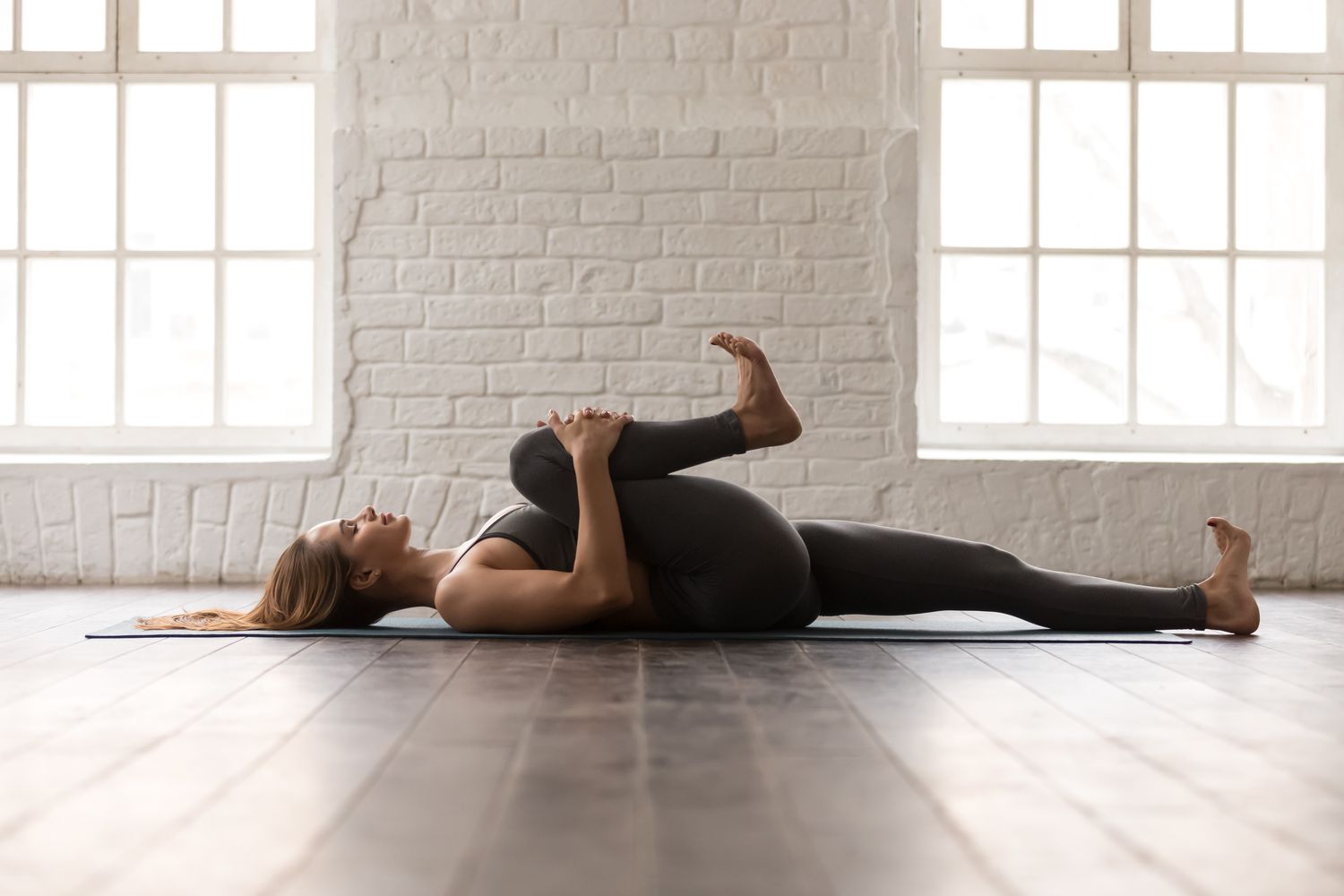
5. Knee-to-Chest Stretch
How to do:
- Lie on back.
- Hug one knee toward chest.
- Keep other leg extended.
- Hold 20–30 seconds then switch.
This stretch relaxes the lower glute region & hip flexors gently.
How Long to Hold Glute Stretches?
For beginners:
⏱ 20–30 seconds per side
⏱ 2–3 rounds per stretch
Stretches should be steady, not painful.
Common Mistakes to Avoid
Many beginners rush mobility work. Avoid:
❌ Forcing the knee joint
❌ Overarching lower back
❌ Holding breath
❌ Bouncing during stretches
❌ Comparing flexibility with others
Remember: Mobility is personal and improves gradually.
Who Can Practice Glute Stretches?
Stretching is a general wellness movement practice, suitable for:
✔ desk workers
✔ yoga beginners
✔ athletes needing hip mobility
✔ people who walk or run regularly
If someone experiences discomfort or special conditions, they should listen to their body and adjust.
Tips for Better Results (Non-Medical)
To make glute stretches more effective:
- Breathe slowly
- Warm up hips lightly (cat-cow, leg swings)
- Don’t push into pain
- Use cushions for support
- Practice consistently
Consistency creates progress, not intensity.
How Glute Stretches Fit Into Yoga
In yoga, glute stretches are connected to hip-opening postures.
You’ll see these commonly in sequences like:
- Pigeon Pose
- Lizard Pose
- Butterfly Pose
- Half Lotus
- Low Lunge Variations
Slow breathing enhances relaxation of the glute region.
As YogaSniff grows, you can support this article with:
Frequently Asked Questions (Google Snippet Friendly)
Q1: What are glute stretches?
Glute stretches target muscles around the hips and buttocks to improve comfort and mobility.
Q2: How often should I do glute stretches?
Beginners can start with 3–4 times per week for general flexibility.
Q3: Do glute stretches help with sitting comfort?
They may help relax the hip area during long sitting by improving mobility.
Q4: Can beginners do pigeon pose?
Yes, with cushions and without forcing the knee.
Q5: How long should glute stretches be held?
Around 20–30 seconds per side is common for beginners.
Final Thoughts
Glute stretches are simple yet powerful movements for lower-body mobility.
They help create ease in sitting, walking, yoga postures, and everyday life.
Start slowly, breathe smoothly, and allow your hips to open over time.
Flexibility is not a quick achievement — it’s a journey.