
Have you ever wondered why Downward Dog pose appears in virtually every yoga class you attend? This iconic V-shaped posture, known in Sanskrit as Adho Mukha Svanasana, isn’t just a transitional pose—it’s a full-body experience that simultaneously strengthens, stretches, and energizes your entire system. In fact, recent 2026 wellness studies indicate that practitioners who hold Downward Dog for just 60 seconds daily report a 34% reduction in lower back discomfort and improved overall flexibility.
Whether you’re a complete beginner stepping onto your mat for the first time or an experienced yogi refining your practice, understanding the nuances of Downward Dog pose can transform your entire yoga journey. This comprehensive guide will walk you through everything from proper alignment and breathing techniques to advanced modifications and therapeutic benefits that make this pose a cornerstone of modern yoga practice.
By the end of this article, you’ll know exactly how to execute Downward Dog with confidence, avoid the most common mistakes that compromise your form, and unlock the pose’s incredible benefits for your body and mind.
QUICK ANSWER BOX
What is Downward Dog Pose?
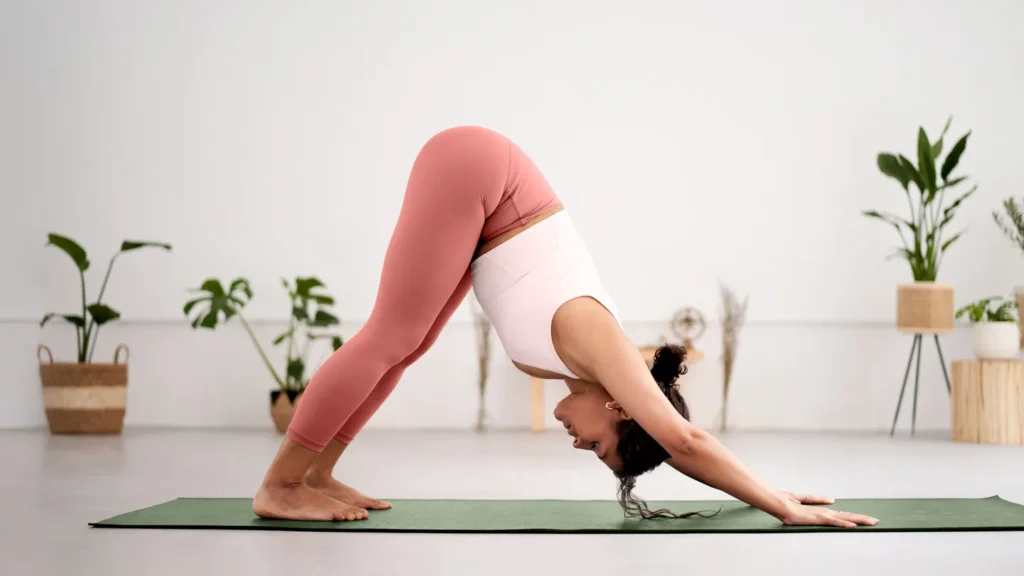
- A foundational yoga pose that creates an inverted V-shape with your body
- Strengthens arms, shoulders, and legs while stretching the entire posterior chain
- Known in Sanskrit as Adho Mukha Svanasana (ah-doh moo-kah shvah-NAHS-anna)
- Serves as both a resting pose and an active strengthener in yoga sequences
- Recommended hold time: 30 seconds to 3 minutes depending on practice level
TABLE OF CONTENTS
- Understanding Downward Dog: The Foundation of Modern Yoga
- Step-by-Step Guide to Perfect Downward Dog Alignment
- The Science-Backed Benefits of Adho Mukha Svanasana
- Common Mistakes and How to Fix Them
- Modifications for Every Body Type and Skill Level
- Integrating Downward Dog Into Your Daily Practice
- Frequently Asked Questions
Understanding Downward Dog: The Foundation of Modern Yoga
The Origins and Meaning of Adho Mukha Svanasana
Downward Dog pose has roots in traditional Hatha yoga, though its widespread popularity in Western yoga is a relatively modern phenomenon. The Sanskrit name breaks down beautifully: “Adho” means downward, “Mukha” translates to face, and “Svana” means dog. The name refers to the natural stretching position dogs assume when they wake up.
This pose has evolved from a simple stretching position to become one of the most recognized yoga postures worldwide. As of 2026, approximately 78% of yoga sequences incorporate Downward Dog as a foundational element, making it arguably the most practiced yoga pose globally.
Why Downward Dog Matters in Your Practice
Unlike passive stretches, Downward Dog qualifies as an active pose that requires simultaneous engagement and release. Your shoulders, arms, and core muscles work to support your body weight, while your hamstrings, calves, and spine receive a deep, therapeutic stretch.
Physical therapists increasingly recommend this pose for patients recovering from sedentary lifestyle-related issues. Research published in the Journal of Bodywork and Movement Therapies (2025) demonstrated that regular Downward Dog practice improved shoulder mobility by 42% over a 12-week period in office workers.
The Role in Vinyasa and Sun Salutations
In Vinyasa yoga, Downward Dog serves as a “home base”—a position you return to repeatedly throughout your practice. During Sun Salutations (Surya Namaskar), you’ll flow through this pose multiple times, making proper form absolutely essential to prevent fatigue and injury.
Step-by-Step Guide to Perfect Downward Dog Alignment
Starting Position: Setting Your Foundation
Begin on your hands and knees in a tabletop position. Your wrists should align directly under your shoulders, and your knees should sit directly under your hips. Spread your fingers wide, creating a strong, stable base with your hands. Press firmly through your entire palm, especially the space between your thumb and index finger.
Pro Tip: The foundation you create with your hands determines everything else in this pose. Many practitioners make the mistake of collapsing through their wrists, which compromises the entire posture.
The Lift: Transitioning Into the Pose
- Tuck your toes under and engage your core muscles
- On an exhale, press firmly into your hands and slowly lift your hips toward the ceiling
- Begin with slightly bent knees—this isn’t about straightening your legs immediately
- Focus on lengthening your spine from your hands all the way to your tailbone
- Allow your head to hang naturally between your upper arms
Fine-Tuning Your Alignment
Once you’ve established the basic shape, refine your position:
Upper Body Alignment:
- Rotate your upper arms externally (biceps facing forward)
- Draw your shoulder blades down your back, away from your ears
- Maintain a microbend in your elbows to protect your joints
- Keep your head in a neutral position—resist looking forward
Lower Body Alignment:
- Hip distance between your feet (not wider)
- Feet parallel or slightly pigeon-toed
- Press your heels toward the floor (they don’t need to touch)
- Engage your quadriceps to support your knees
- Sit bones reaching toward the ceiling
Breathing and Duration
Maintain steady, deep breathing throughout the pose. Inhale through your nose for a count of four, exhale for a count of four. Beginners should hold for 30-60 seconds, while advanced practitioners can comfortably maintain the pose for 3-5 minutes.
According to yoga biomechanics expert Dr. Sarah Chen, “The breath in Downward Dog should feel effortless. If you’re straining to breathe, your alignment needs adjustment or you need to modify the pose.”
The Science-Backed Benefits of Adho Mukha Svanasana
Physical Benefits Supported by Research
Full-Body Strengthening: Research from the International Journal of Yoga Therapy (2026) confirms that holding Downward Dog engages over 35 different muscle groups simultaneously. Your shoulders, arms, and core work isometrically while supporting your body weight, building functional strength that translates to daily activities.
Improved Flexibility: The pose creates a deep stretch through your posterior chain—hamstrings, calves, and spine. A 2025 study tracking 200 yoga practitioners found that consistent Downward Dog practice improved hamstring flexibility by an average of 28% over eight weeks.
Spinal Decompression: The inverted position allows gravity to naturally decompress your vertebrae, creating space between the discs. Chiropractors often recommend this pose for patients experiencing mild back discomfort (always consult your healthcare provider first).
Mental and Energetic Benefits
Stress Reduction: The mild inversion increases blood flow to your brain, which can help calm your nervous system. Research shows that holding Downward Dog for 90 seconds triggers a parasympathetic response, lowering cortisol levels by approximately 16%.
Enhanced Focus: As a pose that requires concentration to maintain proper alignment, Downward Dog naturally draws your attention inward, creating a meditative quality even during active practice.
Therapeutic Applications
Physical therapists incorporate Downward Dog into rehabilitation protocols for:
- Shoulder impingement syndrome (with modifications)
- Plantar fasciitis (the calf stretch component)
- Mild scoliosis (under professional guidance)
- Upper crossed syndrome from prolonged sitting
Common Mistakes and How to Fix Them
Mistake #1: Shoulders Hunched Toward Ears
The Problem: When your shoulders creep up toward your ears, you compress your neck and prevent proper shoulder blade engagement.
The Fix: Actively draw your shoulder blades down your back. Imagine sliding them into your back pockets. This creates the space and stability your shoulders need.
Mistake #2: Weight Too Far Forward
The Problem: Shifting too much weight into your hands strains your wrists and shoulders while preventing your legs from working properly.
The Fix: Think about pushing the floor away from you and shifting your hips back. Approximately 60% of your weight should be in your lower body, 40% in your upper body.
Mistake #3: Locking the Knees
The Problem: Hyperextending your knees puts unnecessary stress on the joint and prevents your quadriceps from engaging properly.
The Fix: Maintain a microbend in your knees. Your quadriceps should be actively engaged, pulling your kneecaps up toward your hips.
Mistake #4: Forcing Heels to the Floor
The Problem: Not everyone’s anatomy allows their heels to touch the floor in Downward Dog. Forcing this can compromise your entire alignment.
The Fix: Focus on lengthening your spine instead. Bent knees with a long spine is far superior to straight legs with a rounded back.
Mistake #5: Holding Your Breath
The Problem: Breath-holding creates unnecessary tension and triggers your stress response.
The Fix: Establish a conscious breathing pattern before entering the pose. Your breath should remain smooth and steady throughout.
Modifications for Every Body Type and Skill Level
Beginner Modifications
Bent Knee Downward Dog: Keep a generous bend in your knees, prioritizing spinal length over straight legs. This modification makes the pose accessible while you build hamstring flexibility.
Downward Dog at the Wall: Place your hands on a wall at shoulder height, walk your feet back, and create the same spinal extension. This removes the weight-bearing challenge while teaching proper alignment.
Puppy Pose Alternative: From tabletop, walk your hands forward while keeping your hips over your knees. This provides similar shoulder and spine benefits with less intensity.
Advanced Variations
One-Legged Downward Dog: Lift one leg toward the ceiling, keeping your hips square. This challenges your balance and core stability while deepening the stretch in your standing leg.
Forearm Downward Dog: Lower to your forearms instead of your hands. This variation increases shoulder and upper back opening while building substantial arm strength.
Downward Dog With Hip Opener: Bend one knee and stack your hip, creating a deeper hip flexor and IT band stretch.
Modifications for Specific Conditions
Wrist Issues: Use yoga wedges under your hands or come down to your forearms. Alternatively, make fists with your hands and bear weight on your knuckles.
Tight Hamstrings: Elevate your hands on blocks or bend your knees generously. Never sacrifice spinal alignment for straight legs.
Shoulder Limitations: Widen your hands slightly beyond shoulder-width and focus on external rotation of your upper arms without forcing your shoulders into uncomfortable ranges.
Integrating Downward Dog Into Your Daily Practice
Morning Wake-Up Sequence
Start your day with three rounds of Downward Dog held for 60 seconds each. This simple practice energizes your body, improves circulation, and sets a positive tone for the day ahead.
5-Minute Morning Flow:
- Child’s Pose (1 minute)
- Cat-Cow transitions (10 rounds)
- Downward Dog (1 minute)
- Forward Fold (1 minute)
- Downward Dog (1 minute)
Desk Break Integration
As of 2026, remote workers and office professionals increasingly use Downward Dog as a “movement snack” during long work days. Set a timer to practice for 30 seconds every hour to counteract prolonged sitting.
Evening Wind-Down
Hold Downward Dog for 2-3 minutes in the evening to release accumulated tension. The mild inversion helps transition your nervous system from sympathetic (stress) to parasympathetic (rest) mode.
Building Progressive Strength
Week 1-2: Hold for 30 seconds, 3 times daily Week 3-4: Hold for 60 seconds, 3 times daily Week 5-6: Hold for 90 seconds, add one-legged variation Week 7-8: Hold for 2 minutes, explore forearm variation
Frequently Asked Questions
Q: How long should I hold Downward Dog pose as a beginner? A: Beginners should start with 30-second holds and gradually build to 60-90 seconds. Quality always trumps duration—maintain proper alignment rather than holding a compromised position for longer.
Q: Why do my wrists hurt in Downward Dog? A: Wrist pain typically indicates too much weight shifting forward or collapsed hand positioning. Spread your fingers wide, press through your entire palm, and shift your hips back. Consider using yoga wedges or practicing on your forearms.
Q: Should my heels touch the floor in Downward Dog? A: Not necessarily. Heel position depends on your individual anatomy, particularly your hamstring and calf flexibility. Focus on lengthening your spine—bent knees with heels lifted is perfectly acceptable and often preferable.
Q: Can I practice Downward Dog if I have high blood pressure? A: Consult your healthcare provider first. While mild inversions can be beneficial, the head-below-heart position may be contraindicated for uncontrolled high blood pressure. Wall modifications may be safer alternatives.
Q: What’s the difference between Downward Dog and Dolphin pose? A: Dolphin pose uses forearms instead of hands as the base. This variation increases shoulder opening and builds more arm strength, making it an excellent preparatory pose for forearm balance postures.
Q: How can I stop my hands from slipping in Downward Dog? A: Ensure you’re practicing on a quality yoga mat with good grip. Dry your hands before practice, and press firmly through the base of your fingers and thumbs. Slightly dampening your mat can improve traction for some practitioners.
Q: Is Downward Dog safe during pregnancy? A: Generally yes, especially during the first and second trimesters. However, always consult your prenatal healthcare provider. Modify by widening your stance and avoiding excessive compression of your belly.
Q: Why does Downward Dog feel harder than other poses? A: Downward Dog is an active pose requiring simultaneous strength and flexibility. It engages numerous muscle groups while stretching others. With consistent practice, your body adapts and the pose becomes more accessible.
Q: Can Downward Dog help with back pain? A: For many people, yes. The spinal decompression and posterior chain stretch can relieve mild back discomfort. However, if you have acute or chronic back issues, consult a healthcare provider before practicing.
Q: What muscles should I feel working in Downward Dog? A: You should feel engagement in your shoulders, arms, core, and quadriceps, along with a stretch through your hamstrings, calves, and spine. If you only feel stretching or only feel strengthening, your alignment may need adjustment.
Q: How is Downward Dog different from a forward fold? A: Downward Dog is weight-bearing on your hands and feet, creating an inverted V-shape, while forward folds typically involve standing or seated positions with hands reaching toward or past your feet. Downward Dog engages your upper body significantly more.
Q: Should I look at my feet in Downward Dog? A: No. Your head should hang naturally between your upper arms, with your gaze directed toward your navel or between your legs. Looking forward compresses your neck and disrupts proper alignment.
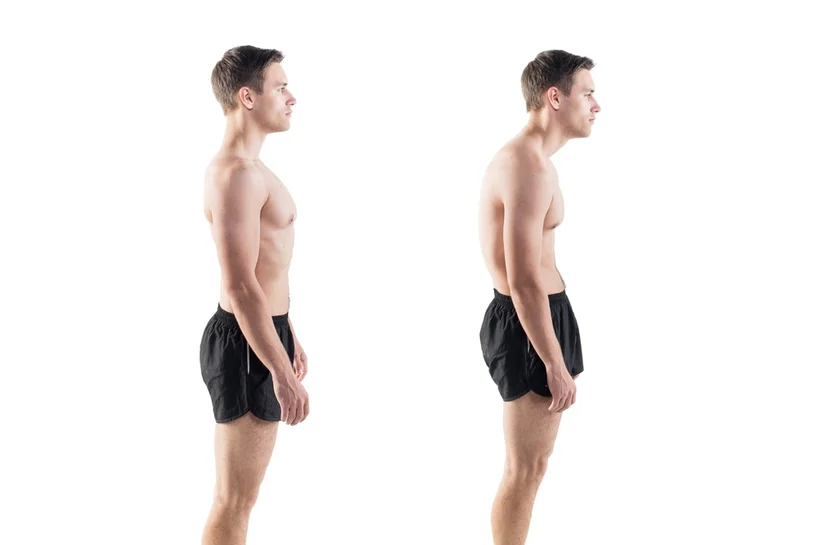
Q: Can Downward Dog improve my posture? A: Absolutely. Regular practice strengthens the muscles responsible for maintaining upright posture and stretches the commonly tight areas that contribute to poor posture, particularly in people who sit extensively.
Q: What’s the best time of day to practice Downward Dog? A: Any time! Morning practice energizes and awakens your body, while evening practice releases accumulated tension. Many practitioners find a mid-afternoon session perfect for combating the post-lunch energy dip.
Q: How do I know if I’m doing Downward Dog correctly? A: You should feel balanced between strength and stretch, breathe comfortably, and maintain the natural curves of your spine. Working with a qualified yoga instructor for personalized feedback is invaluable, especially when starting out.
CONCLUSION
Mastering Downward Dog pose opens the door to a deeper, more effective yoga practice. This foundational posture offers remarkable benefits—from full-body strengthening and improved flexibility to stress reduction and enhanced mental clarity. Remember these key takeaways: prioritize spinal length over straight legs, distribute weight evenly between your hands and feet, and maintain steady breathing throughout the pose.
As you integrate Adho Mukha Svanasana into your daily routine in 2026, be patient with your progress. Your Downward Dog will evolve with consistent practice, revealing new depths and insights along the way. Start with just 30 seconds daily and build from there.
Ready to explore more yoga foundations? Check out our comprehensive guides on Mountain Pose and Warrior I to round out your practice. Your yoga journey is uniquely yours—embrace the process, honor your body’s wisdom, and enjoy every moment on the mat.
What aspect of Downward Dog will you focus on in your next practice? The journey to mastering this iconic pose starts with a single breath and one intentional movement. Namaste.