
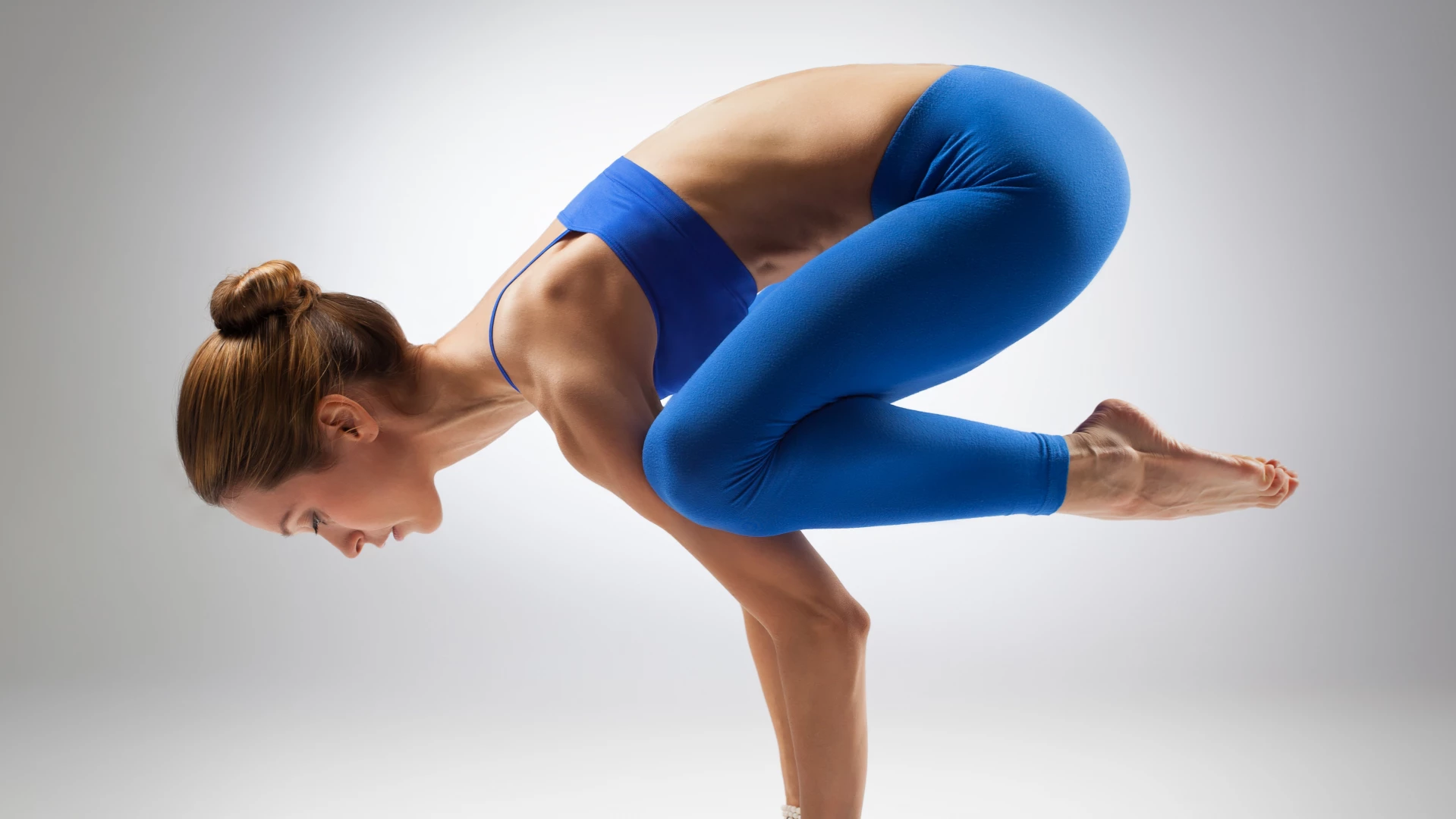
Crow Pose, known as Bakasana in Sanskrit, is one of the most popular arm balance postures in yoga. It teaches body awareness, wrist stacking, core engagement, and mental focus — making it a favorite among beginners and intermediates.
This 2026 guide covers everything about Crow Pose including variations, step-by-step methods, skill comparisons, equipment cost, and common questions.
🍃 What Is Crow Pose (Bakasana)?
Crow Pose (Bakasana) is an arm balancing yoga posture where the knees rest on the upper arms and the feet lift off the floor, supported by the hands.
It develops:
✔ balance
✔ body control
✔ wrist alignment awareness
✔ core activation
Bakasana is often the first arm-balance beginners learn before moving to advanced balances.
🧩 Meaning & Sanskrit Breakdown
- Baka = Crane/Crow
- Asana = Posture/Seat
So Bakasana means the Crow/Crane Pose in yoga.
🧍♂️ How to Do Crow Pose Step-by-Step
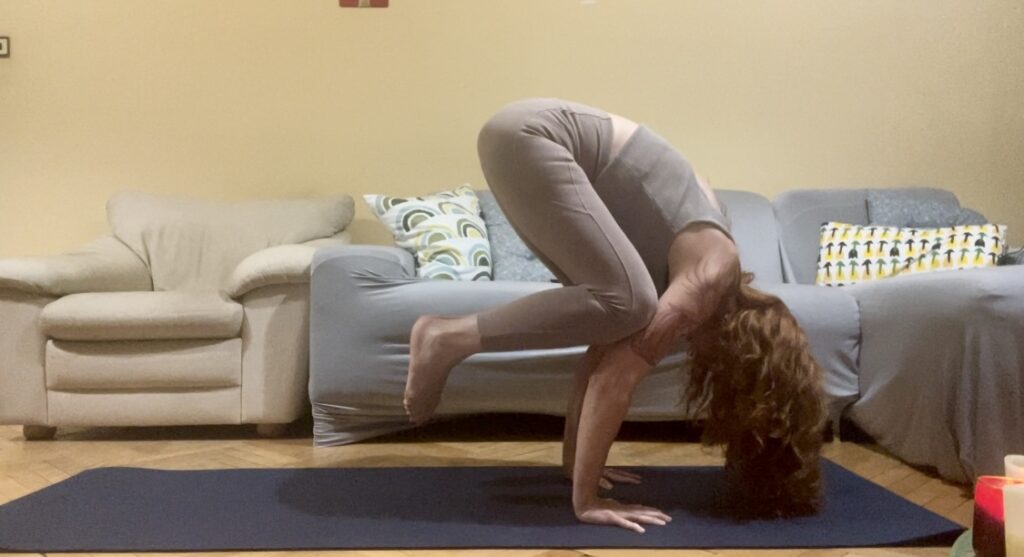
This beginner-friendly method avoids rushing or force.
Step 1: Start in a deep squat (Malasana).
Step 2: Place hands shoulder-width apart on the mat.
Step 3: Spread fingers wide and press through your palms.
Step 4: Lift your hips slightly and place knees on upper arms.
Step 5: Lean weight forward slowly.
Step 6: Engage the core and lift one foot off the ground.
Step 7: Lift the other foot to balance.
Step 8: Keep gaze slightly forward (not down).
Step 9: Breathe steady and hold for 3–10 seconds initially.
🧠 Skills Used in Crow Pose (Awareness List)
Crow Pose brings awareness to:
- core engagement
- wrist stability
- shoulder protraction
- weight distribution
- gaze focus
- breath control
It is not about strength alone — technique + balance matter equally.
📊 Crow Pose vs Crane Pose (Side-by-Side Comparison)
Many people confuse Crow Pose and Crane Pose, so here is a clean table:
| Feature | Crow Pose (Bakasana) | Crane Pose (Kakasana) |
|---|---|---|
| Elbow Position | Slightly bent | Straight arms |
| Difficulty Level | Beginner / Intermediate | Intermediate / Advanced |
| Core Strength | Moderate | High |
| Arm Strength | Moderate | High |
| Balance Requirement | Moderate | Higher |
| Wrist Pressure | Distributed | More direct |
| Typical First Pose | Yes | Rarely for beginners |
Beginners usually start with Crow (bent arms) first.
📦 Crow Pose Progressions (From Beginner to Advanced)
Level 1 → Knee-on-Arm Lean
Level 2 → One-Foot Lift
Level 3 → Both Feet Off Floor (Full Crow)
Level 4 → Straight Arm Balance (Crane)
Level 5 → Crow to Headstand Transition
Level 6 → Crow to Chaturanga Jump
Each level builds balance + control gradually.
📋 Crow Pose Preparation (Warm-Up Exercises)
Before practicing Crow Pose, these warm-ups help with mobility:
Wrist Warm-Up
- wrist circles
- palm pulses
- fingertip presses
Hip Warm-Up
- malasana (deep squat)
- hip circles
- butterfly stretch
Core Warm-Up
- plank holds
- boat pose (Navasana)
- knee tucks
Warm-ups reduce stiffness and create awareness for balancing.
🧺 Common Mistakes Beginners Make
Avoid these to progress faster:
❌ Looking straight down (causes falling forward)
❌ Collapsing shoulders
❌ Forgetting core activation
❌ Forcing without warm-up
❌ Holding breath
❌ Landing on wrists too hard
The biggest correction = Look slightly forward, not down.
🧱 Support Props for Crow Pose
Beginners often use props for confidence and landing safety:
✔ Yoga blocks under feet
✔ Cushions in front of face
✔ Platform for toe boost
✔ Non-slip yoga mat
These provide safety without rushing form.
💰 Crow Pose Expense List (Natural & Practical)
Crow Pose itself is free — you don’t need to pay to learn it.
But some practitioners choose gear for comfort/safety.
Below is a realistic breakdown:
| Item | Purpose | Cost Range (USD) |
|---|---|---|
| Yoga Mat | Grip & wrist safety | $15 – $70 |
| Cushion/Pillow | Face safety for beginners | Free – $10 |
| Yoga Blocks | Toe lift & support | $10 – $30 |
| Wrist Wraps (optional) | Wrist comfort (non-medical) | $8 – $25 |
| Online Classes (optional) | Learning progression | Free – $200+ |
Budget Version (Beginner Setup):
✔ Free floor space
✔ Pillow for safety
= $0 total
Intermediate Setup:
✔ Grip mat + blocks
= $35 – $100
Expenses are optional, not required.
🌿 Benefits of Crow Pose (General Awareness Only)
Crow Pose may help with:
- body balance awareness
- core and shoulder engagement
- wrist alignment practice
- focus and breath control
- confidence in arm balancing
These are general wellness awareness points, not medical claims.
🚫 Precautions (Non-Medical Safety Awareness)
- Do not force the wrists
- Avoid locking elbows aggressively
- Move slowly and mindfully
- Use cushions if you feel nervous about falling
- Keep gaze forward for balance
- Take breaks between attempts
If discomfort appears, skipping the pose is always valid.
⏱ How Long to Hold Crow Pose?
Beginners: 3–5 seconds
Intermediate: 10–20 seconds
Advanced: 30 seconds + transitions
Duration is about control, not ego.
🧭 Crow Pose Routine Sample (Beginner-Friendly)
Routine Duration: 8–12 minutes
- Wrist warm-up (1–2 min)
- Deep squat hold (1 min)
- Core activation (boat pose 30 sec)
- Crow Pose attempts (5–6 rounds of 5–10 sec)
- Slow breathing to finish (1 min)
This routine builds comfort and awareness.
📚 Crow Pose vs Other Arm Balances (Comparison Table)
| Arm Balance | Skill Level | Core Load | Wrist Load | Notes |
|---|---|---|---|---|
| Crow (Bakasana) | Beginner / Intermediate | Moderate | Moderate | Best first arm balance |
| Side Crow | Intermediate | High | Moderate | Adds twist |
| Crane (Kakasana) | Intermediate + | High | High | Straight arms |
| Handstand | Advanced | High | High | Requires wall/spotting |
Crow Pose bridges beginners into advanced balancing.
🔁 Crow Pose Variations
Beginners & advanced users can explore:
- Baby Crow
- One-Leg Crow
- Side Crow
- Crane Pose
- Crow to Chaturanga
- Crow to Handstand (advanced)
Variations improve adaptability and control.
❓ Frequently Asked Questions
Q1: Is Crow Pose hard for beginners?
It takes practice, but many beginners learn it with proper warm-up and technique.
Q2: Do I need strong arms for Crow Pose?
Arms help, but technique + core + balance matter more than pure strength.
Q3: Does Crow Pose hurt the wrists?
If wrists are tight, it may feel intense. Wrist warm-ups and props can help.
Q4: How long does it take to learn Crow Pose?
Some learn in days, others in weeks — depends on flexibility, confidence, and practice frequency.
Q5: Can I learn Crow Pose at home?
Yes, with cushions, blocks, and slow progression to avoid falling.
🧾 Final Thoughts
Crow Pose is more than a balance trick — it teaches patience, mindful leaning, and controlled breathing.
Beginners should practice slowly, celebrate small progressions, and remember that falling forward is part of learning.
Yoga isn’t about pushing; it’s about awareness in movement.