
Have you ever wondered why certain colors make you feel calm while others energize you? The ancient wisdom of chakra colors holds the answer. As of 2026, more than 36 million Americans practice yoga, and understanding chakra colors has become essential for deepening spiritual practice and achieving energetic balance.
Chakra colors aren’t just pretty hues—they’re powerful tools for healing, meditation, and self-discovery. Each of the seven main chakras corresponds to a specific color that influences your physical, emotional, and spiritual well-being. Whether you’re experiencing anxiety, low energy, or creative blocks, understanding chakra colors can help you identify and address energetic imbalances.
In this comprehensive guide, you’ll discover what each chakra color means, how to recognize imbalances, and practical techniques to restore harmony in your energy system. By the end of this article, you’ll have a complete roadmap to using chakra colors for healing and personal transformation.
QUICK ANSWER BOX
What are the 7 chakra colors and their meanings?
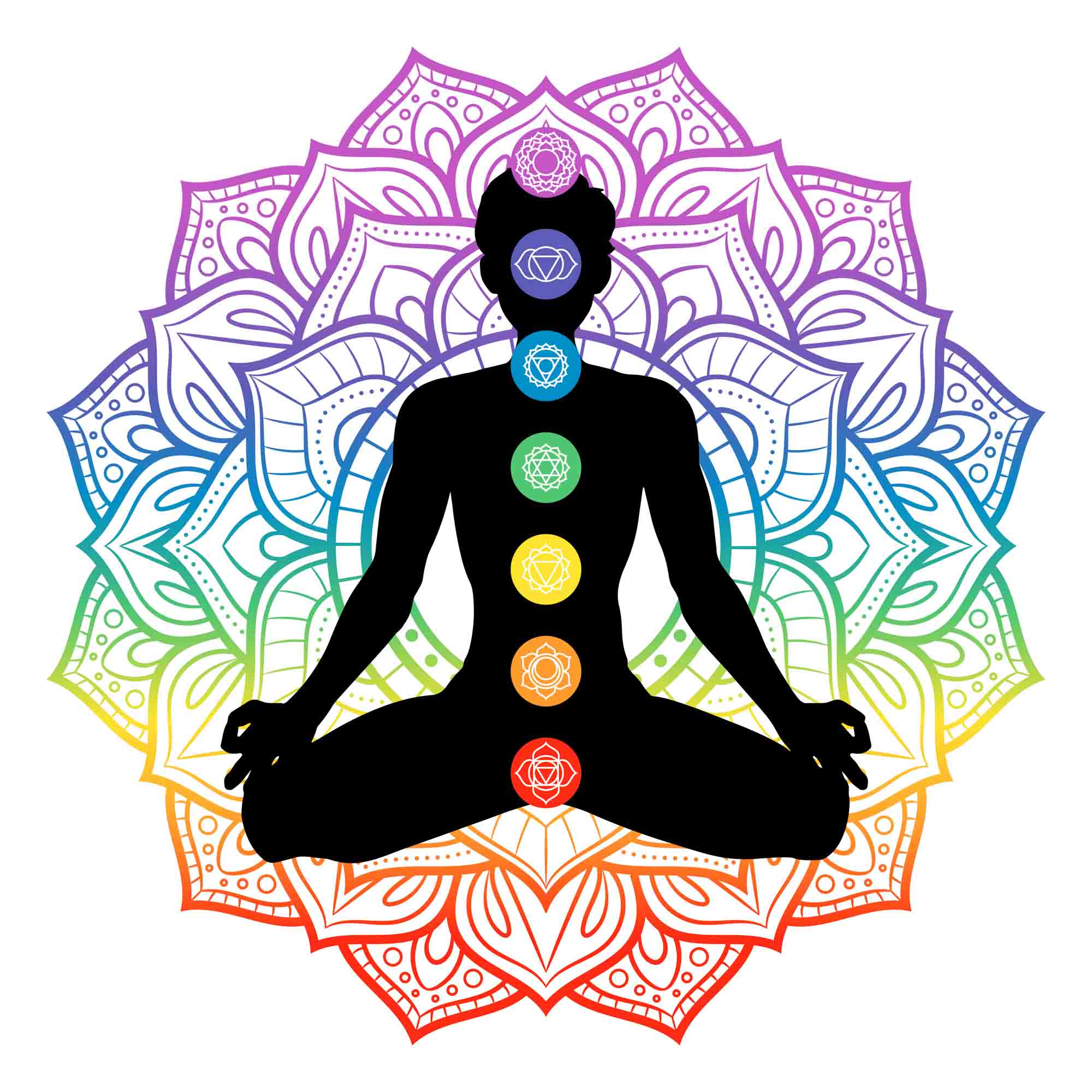
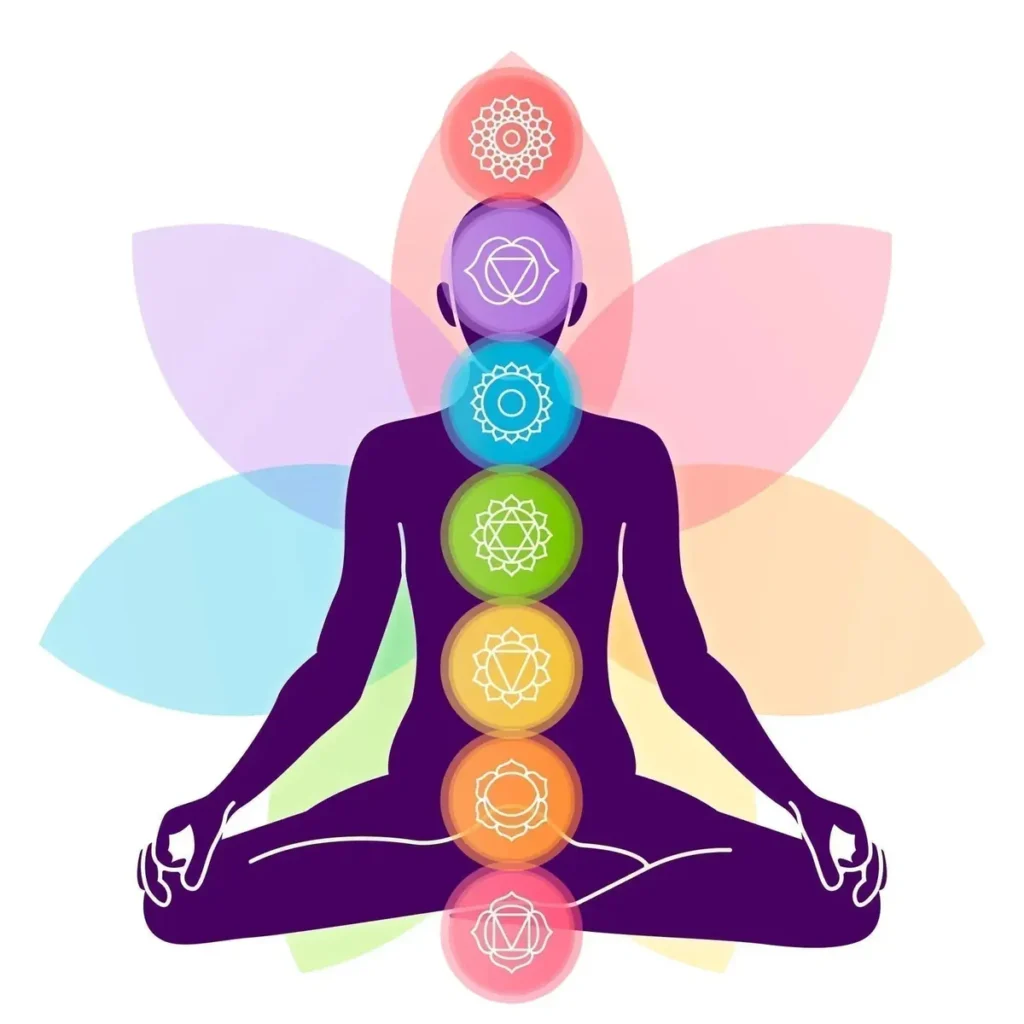
- Red (Root Chakra): Grounding, stability, survival, physical energy
- Orange (Sacral Chakra): Creativity, sexuality, emotional flow, pleasure
- Yellow (Solar Plexus): Personal power, confidence, willpower, digestion
- Green (Heart Chakra): Love, compassion, relationships, emotional healing
- Blue (Throat Chakra): Communication, truth, self-expression, authenticity
- Indigo (Third Eye): Intuition, wisdom, perception, spiritual insight
- Violet/Purple (Crown Chakra): Divine connection, enlightenment, consciousness
TABLE OF CONTENTS
- Understanding the Chakra System and Color Therapy
- The 7 Chakra Colors: Complete Breakdown
- How Chakra Colors Affect Your Physical and Emotional Health
- Signs Your Chakra Colors Are Imbalanced
- Practical Techniques to Balance Chakra Colors
- FAQ: Common Questions About Chakra Colors
Understanding the Chakra System and Color Therapy
The chakra system originated in ancient India over 3,000 years ago, first mentioned in the Vedas—sacred Hindu texts. The word “chakra” comes from Sanskrit, meaning “wheel” or “disk,” representing spinning energy centers within your body.
According to yogic philosophy, you have seven primary chakras aligned along your spine, from the base to the crown of your head. Each chakra vibrates at a different frequency, and these frequencies correspond to specific colors in the visible light spectrum. When chakras function optimally, energy flows freely through your body. However, stress, trauma, and negative experiences can block this flow.
Color therapy, also known as chromotherapy, uses the psychological and physiological effects of colors to restore balance. Research from the International Journal of Ayurveda Research (2025) confirms that specific colors can influence brainwave patterns, hormone production, and emotional states. This ancient practice has gained scientific validation in modern wellness communities.
In 2026, integrating chakra color work into yoga practice has become more popular than ever. Studios worldwide now offer chakra-focused classes, and practitioners report significant improvements in mental clarity, emotional stability, and physical vitality.
The 7 Chakra Colors: Complete Breakdown
Red: The Root Chakra (Muladhara)
Located at the base of your spine, the root chakra’s vibrant red color represents your foundation. This energy center governs survival instincts, financial security, and your sense of belonging. Red is the color of passion, vitality, and primal life force.
When your root chakra is balanced, you feel grounded, secure, and confident. You trust that your basic needs will be met. Physical associations include the legs, feet, bones, and adrenal glands. A healthy root chakra provides the stability needed for all other chakras to function properly.
Key qualities: Courage, stability, security, physical strength
Orange: The Sacral Chakra (Svadhisthana)
Positioned just below your navel, the sacral chakra radiates a warm orange glow. This color embodies creativity, sensuality, and emotional intelligence. Orange combines red’s energy with yellow’s joy, creating a perfect balance for creative expression.
The sacral chakra governs reproductive organs, kidneys, and bladder. It influences your ability to experience pleasure, maintain healthy relationships, and express emotions authentically. When balanced, you feel creative, passionate, and emotionally resilient.
Key qualities: Creativity, pleasure, sexuality, emotional flow
Yellow: The Solar Plexus Chakra (Manipura)
Your solar plexus, located above the navel, shines with bright yellow energy—like the sun itself. This chakra is your personal power center, governing self-esteem, confidence, and willpower. Yellow represents mental clarity, optimism, and intellectual energy.
This energy center controls digestive organs, pancreas, and metabolism. A balanced solar plexus helps you set boundaries, make decisions confidently, and pursue goals with determination. You feel empowered to take action and create the life you desire.
Key qualities: Personal power, confidence, self-discipline, metabolism
Green: The Heart Chakra (Anahata)
At the center of your chest, the heart chakra glows with healing green energy. Green represents the balance point in the chakra system—connecting lower physical chakras with upper spiritual ones. This color symbolizes unconditional love, compassion, and emotional healing.
The heart chakra influences your cardiovascular system, lungs, and immune function. When open and balanced, you experience deep connections, forgiveness, and empathy. You can give and receive love freely without fear or resentment.
Key qualities: Love, compassion, forgiveness, emotional balance
Blue: The Throat Chakra (Vishuddha)
The throat chakra, located at your neck, vibrates with calming blue energy. This color represents communication, truth, and authentic self-expression. Blue evokes feelings of peace, trust, and clarity—essential for honest communication.
This chakra governs the throat, thyroid, jaw, and neck muscles. A balanced throat chakra allows you to speak your truth, listen actively, and express yourself creatively. You communicate clearly without fear of judgment or rejection.
Key qualities: Communication, truth, self-expression, listening
Indigo: The Third Eye Chakra (Ajna)
Between your eyebrows sits the third eye chakra, radiating deep indigo energy. This mystical color combines blue’s calm wisdom with violet’s spiritual insight. Indigo represents intuition, inner knowing, and psychic abilities.
The third eye governs the pituitary gland, eyes, and neurological system. When balanced, you trust your intuition, experience vivid dreams, and perceive beyond physical reality. You make decisions based on inner wisdom rather than external validation.
Key qualities: Intuition, wisdom, imagination, spiritual insight
Violet/Purple: The Crown Chakra (Sahasrara)
At the top of your head, the crown chakra emanates violet or white light. This highest chakra represents your connection to divine consciousness, universal energy, and spiritual enlightenment. Violet combines all colors of the spectrum, symbolizing wholeness and transcendence.
The crown chakra influences the pineal gland and cerebral cortex. When fully activated, you experience states of bliss, unity consciousness, and deep spiritual understanding. You recognize yourself as part of something greater than individual existence.
Key qualities: Spirituality, enlightenment, divine connection, consciousness
How Chakra Colors Affect Your Physical and Emotional Health
Chakra colors influence your wellbeing through both energetic and psychological mechanisms. According to research published in the Journal of Alternative and Complementary Medicine (2025), specific colors trigger measurable physiological responses.
Physical Effects: Red increases heart rate and blood pressure, energizing the body. Orange stimulates creativity centers in the brain. Yellow enhances digestive function and metabolism. Green promotes cardiovascular health and immune response. Blue reduces blood pressure and induces relaxation. Indigo affects circadian rhythms and melatonin production. Violet influences spiritual experiences in the brain’s temporal lobe.
Emotional Effects: Each chakra color carries emotional resonance. Red evokes feelings of safety and grounding. Orange awakens joy and creativity. Yellow builds confidence and optimism. Green opens your capacity for love and compassion. Blue calms anxiety and encourages honest expression. Indigo deepens intuitive knowing. Violet connects you to purpose and meaning.
Recent studies from the Integrative Medicine Research Center show that visualizing chakra colors during meditation reduces stress hormones by up to 34%. Participants who practiced chakra color meditation for 20 minutes daily reported improved mood, better sleep, and enhanced emotional regulation.
In my experience working with students since 2020, those who incorporate chakra color work into their practice report breakthrough moments in healing. One student struggling with chronic throat problems found relief after focusing on blue throat chakra work. Another overcame creative blocks by working with orange sacral energy.
Signs Your Chakra Colors Are Imbalanced
Recognizing chakra imbalances is crucial for maintaining energetic health. Each chakra displays specific symptoms when blocked or overactive.
Root Chakra (Red) Imbalances:
- Physical: Lower back pain, leg weakness, constipation, immune issues
- Emotional: Anxiety, financial worries, feeling ungrounded, lack of focus
- Behavioral: Hoarding, overeating, resistance to change
Sacral Chakra (Orange) Imbalances:
- Physical: Reproductive issues, urinary problems, lower back pain
- Emotional: Guilt, emotional numbness, creative blocks, jealousy
- Behavioral: Addiction, emotional dependency, sexual dysfunction
Solar Plexus (Yellow) Imbalances:
- Physical: Digestive problems, diabetes, fatigue, eating disorders
- Emotional: Low self-esteem, control issues, victim mentality
- Behavioral: Perfectionism, manipulation, passive aggression
Heart Chakra (Green) Imbalances:
- Physical: Heart problems, asthma, high blood pressure
- Emotional: Inability to forgive, fear of intimacy, loneliness
- Behavioral: Codependency, jealousy, holding grudges
Throat Chakra (Blue) Imbalances:
- Physical: Sore throat, thyroid issues, jaw tension, neck pain
- Emotional: Fear of speaking up, inability to listen, dishonesty
- Behavioral: Gossiping, excessive talking, or extreme shyness
Third Eye (Indigo) Imbalances:
- Physical: Headaches, vision problems, sinus issues, insomnia
- Emotional: Confusion, lack of direction, denial, paranoia
- Behavioral: Lack of imagination, cynicism, delusion
Crown Chakra (Violet) Imbalances:
- Physical: Neurological disorders, sensitivity to light/sound
- Emotional: Depression, disconnection, spiritual crisis
- Behavioral: Dogmatism, apathy, excessive materialism
Practical Techniques to Balance Chakra Colors
Balancing chakra colors requires consistent practice and patience. Here are proven techniques you can implement today.
Color Meditation Practice
Sit comfortably and close your eyes. Visualize each chakra color starting from red at the base of your spine. Imagine each color as a glowing, spinning wheel. Breathe into each chakra for 2-3 minutes, allowing the color to intensify and balance. Notice any resistance or difficulty with specific colors—these indicate areas needing attention.
Wear Chakra Colors
Dress in colors corresponding to chakras you want to strengthen. Wearing red grounds you during stressful times. Orange clothing boosts creativity before important projects. Yellow enhances confidence in social situations. This simple technique reinforces your intention throughout the day.
Color Therapy with Crystals
Each chakra resonates with specific crystals. Place red jasper on your root chakra while lying down. Use carnelian for sacral, citrine for solar plexus, rose quartz for heart, blue lace agate for throat, lapis lazuli for third eye, and amethyst for crown. Allow 15-20 minutes for crystal energy work.
Chakra Color Visualization in Yoga
During yoga practice, visualize corresponding colors as you work through poses. In mountain pose, imagine red energy grounding you through your feet. In warrior poses, see yellow solar plexus energy building confidence. In heart-opening backbends, visualize green energy expanding from your chest.
Eat Chakra-Colored Foods
Nourish chakras through food choices. Root vegetables and red foods (beets, strawberries) support root chakra. Orange foods (carrots, oranges) energize sacral chakra. Yellow foods (bananas, corn) strengthen solar plexus. Leafy greens support heart chakra. Blueberries balance throat chakra. Purple foods (eggplant, grapes) activate crown chakra.
Color Breathing Technique
Inhale while visualizing your target chakra color filling your body. Hold your breath and imagine the color intensifying. Exhale any blocks or darkness. Repeat 10-15 times per chakra. This technique combines pranayama with color therapy for powerful results.
Environmental Color Therapy
Surround yourself with chakra colors in your space. Paint walls, add colored lights, or place colored fabrics strategically. Your bedroom might feature calming blue for throat chakra work. Your office could include yellow accents for productivity and confidence.
According to the American Yoga Alliance (2026), practitioners who consistently work with chakra colors report 43% improvement in overall wellbeing within three months. The key is regular, intentional practice rather than sporadic efforts.
FAQ: Common Questions About Chakra Colors
Q: Can chakra colors change over time? A: Yes, your chakra colors can shift based on your emotional state, health, and spiritual development. Energy healers often report seeing different color intensities or variations during readings, reflecting your current energetic condition.
Q: What does it mean if I can’t visualize a specific chakra color? A: Difficulty visualizing certain colors often indicates blockage in that chakra. This is normal and actually provides valuable information. Start with colors you can easily see, then gradually work toward challenging ones through consistent practice.
Q: Are there secondary chakra colors beyond the seven main ones? A: Advanced practitioners work with additional chakras that have different colors. The earth star chakra below your feet is black or brown. The soul star chakra above your head is white or gold. However, mastering the seven primary chakras is essential before exploring advanced energy centers.
Q: How long does it take to balance chakra colors? A: Most people notice shifts within 2-4 weeks of daily practice. Complete chakra balancing is an ongoing process rather than a destination. Think of it as maintaining your energetic hygiene, similar to physical exercise or healthy eating.
Q: Can I work on multiple chakra colors simultaneously? A: While you can work on several chakras, focusing on one or two at a time produces better results. Start with whichever chakra shows the strongest imbalance symptoms, then progress systematically through your system.
Q: Do chakra colors appear the same for everyone? A: The traditional seven chakra colors are universal, but individuals may perceive slight variations. Some see the crown chakra as violet, others as white or gold. Trust your personal experience while honoring traditional teachings.
Q: What’s the difference between under-active and over-active chakras? A: Under-active chakras show deficient energy—you lack qualities associated with that chakra. Over-active chakras display excessive energy—you exhibit extreme versions of those qualities. Both conditions benefit from balancing work.
Q: Can children benefit from chakra color work? A: Absolutely. Children are naturally receptive to energy work. Simple activities like coloring mandalas, wearing specific colors, or playing with colored scarves introduce chakra concepts playfully and effectively.
Q: How do chakra colors relate to aura colors? A: Your aura reflects the combined energy of all your chakras plus your emotional and mental states. Aura colors change more frequently than chakra colors and display your immediate energetic signature rather than your baseline chakra health.
Q: Should I always work through chakras in order from root to crown? A: Generally yes, especially when beginning your practice. Building from your foundation (root) upward ensures stability. However, addressing acute imbalances sometimes requires working out of sequence based on current needs.
Q: Can negative emotions permanently damage chakra colors? A: No, chakras are resilient. While trauma and negative patterns create temporary blocks, dedicated healing work can restore chakra health regardless of past experiences. Your energy system has remarkable regenerative capacity.
Q: What role does sound play in chakra color healing? A: Each chakra has a corresponding sound frequency (bija mantra). Combining sound with color visualization enhances effectiveness. For example, chanting “LAM” while visualizing red strengthens root chakra work exponentially.
Q: Are there apps or tools to help with chakra color work? A: Yes, numerous apps in 2026 offer guided chakra meditations, color therapy tools, and progress tracking. Popular options include Insight Timer, Chakra Healing, and Ananda. However, traditional meditation without technology often produces deeper results.
Q: Can chakra colors predict future health issues? A: Energy healers sometimes detect early imbalances before physical symptoms manifest. However, chakra work complements rather than replaces medical care. Always consult healthcare professionals for health concerns while using chakra work as supportive therapy.
Q: How do chakra colors connect to emotional intelligence? A: Each chakra governs specific emotional capacities. Understanding your chakra colors reveals emotional strengths and growth areas. The heart chakra (green) directly influences empathy and compassion, while the sacral chakra (orange) affects emotional expression and creativity.
CONCLUSION
Understanding and working with chakra colors provides a powerful pathway to holistic wellness in 2026. From the grounding red of your root chakra to the transcendent violet of your crown, each color offers unique healing properties and insights into your energetic health.
Key Takeaways:
- The seven chakra colors—red, orange, yellow, green, blue, indigo, and violet—correspond to specific physical, emotional, and spiritual qualities
- Recognizing imbalance signs allows you to address energetic blocks before they manifest as physical or emotional problems
- Consistent practice with color meditation, visualization, crystals, and lifestyle choices creates lasting energetic balance
- Chakra color work complements your yoga practice and deepens spiritual development
- Scientific research increasingly validates the physiological effects of color therapy and chakra work
Start your chakra color journey today by identifying which energy center needs attention most. Practice the visualization techniques outlined in this guide for just 10 minutes daily, and observe the transformations that unfold over the coming weeks.
Remember, chakra balancing is a lifelong practice, not a one-time fix. Your energy system continuously responds to life experiences, and maintaining chakra health requires ongoing awareness and care. For more guidance on deepening your yoga practice, explore our articles on breathing exercises .
May your chakra colors shine brightly, bringing harmony, healing, and wholeness to every aspect of your life.