
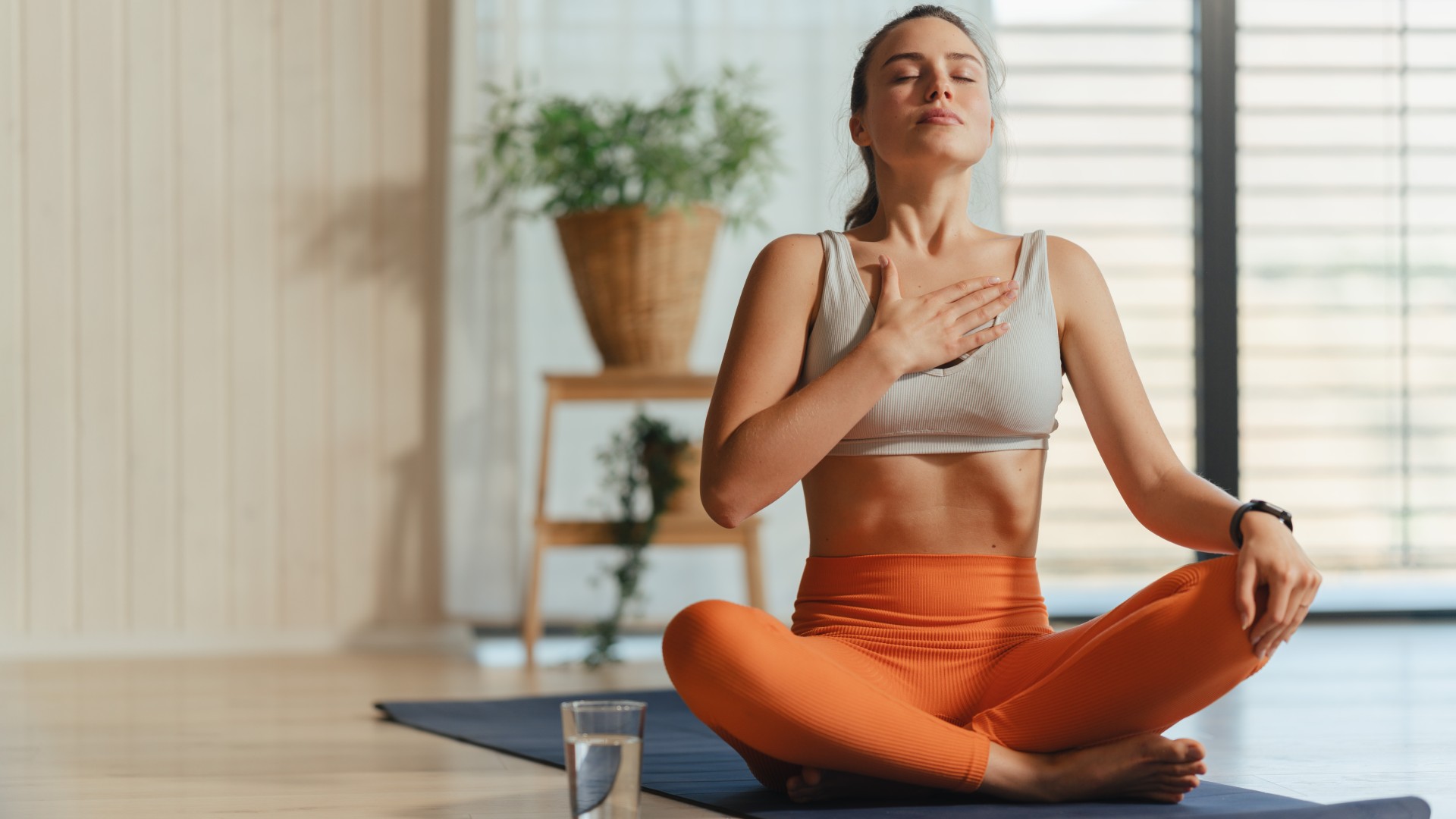
Breathing seems automatic, but learning how to breathe intentionally can improve awareness, posture, and calmness during daily life.
For beginners, breathing exercises are a great starting point before exploring deeper yoga practices.
This guide covers simple breathing exercises for beginners, how to do them safely, and when to use them — without any medical claims.
🧠 Why Practice Breathing Exercises? (General Awareness)
Intentional breathing may help beginners:
- slow down racing thoughts
- improve body awareness
- reduce tension from long sitting
- support posture
- increase presence during yoga
These are awareness benefits, not medical treatment claims.
🧘 Best Breathing Exercises for Beginners
Below are safe, accessible breathing exercises suitable for complete beginners.
1. Nasal Breathing (Natural Breath Awareness)
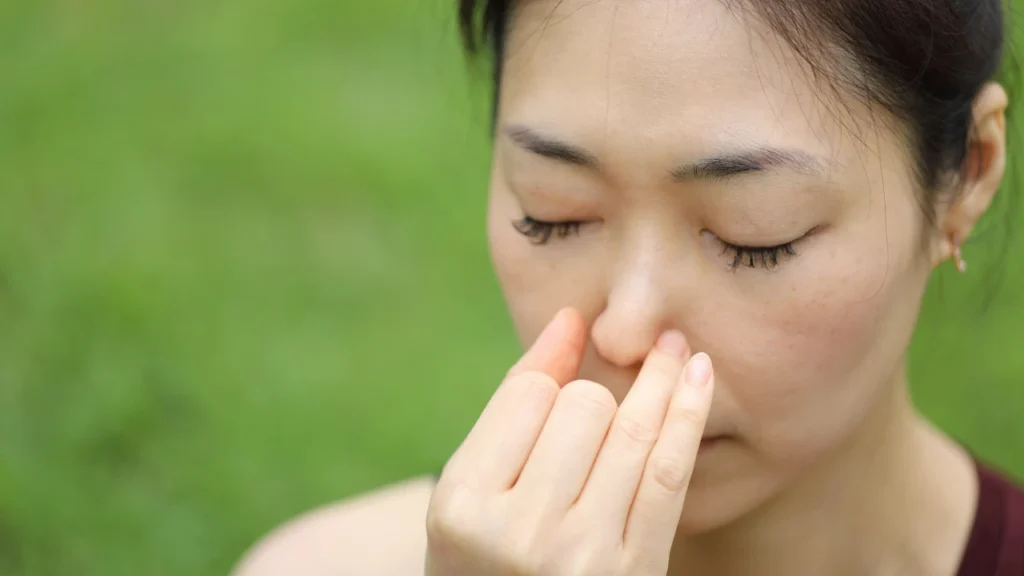
How to do:
- Sit comfortably or lie down
- Place one hand on the belly
- Inhale slowly through the nose
- Exhale through the nose
- Repeat for 1–5 minutes
Why beginners like it:
No technique required — just awareness.
2. Box Breathing (4-4-4-4 Pattern)
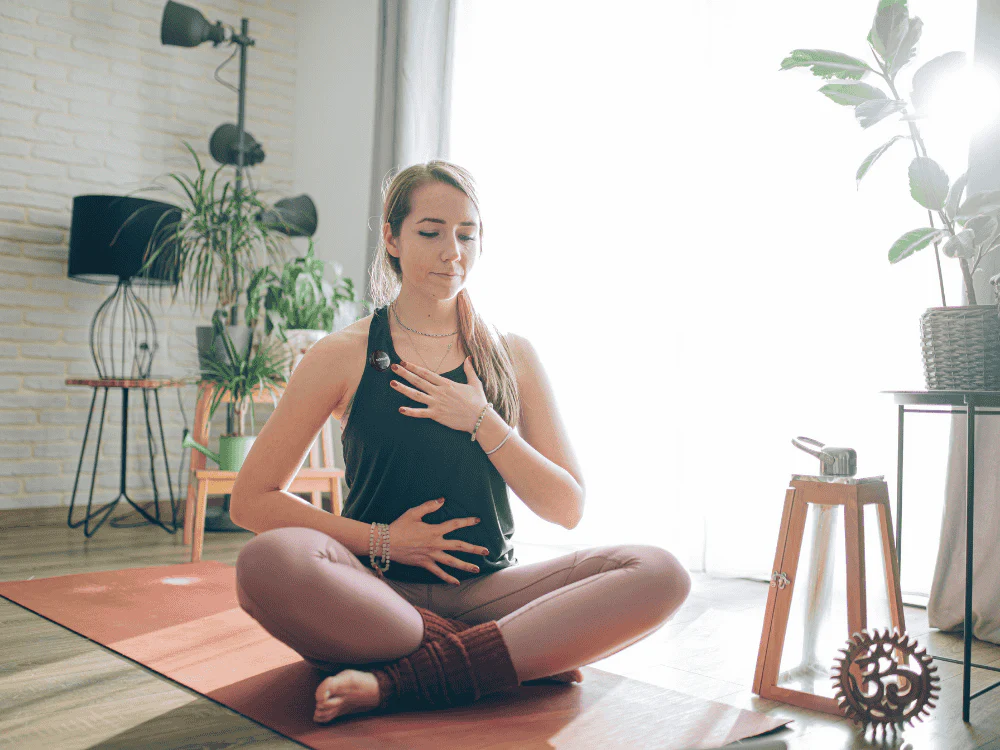
How to do:
- Inhale for 4 seconds
- Hold for 4 seconds
- Exhale for 4 seconds
- Hold for 4 seconds
- Repeat for 3–8 rounds
Awareness benefit:
Builds breath control + calm attention.
3. 4-6 Breathing (Long Exhale Method)
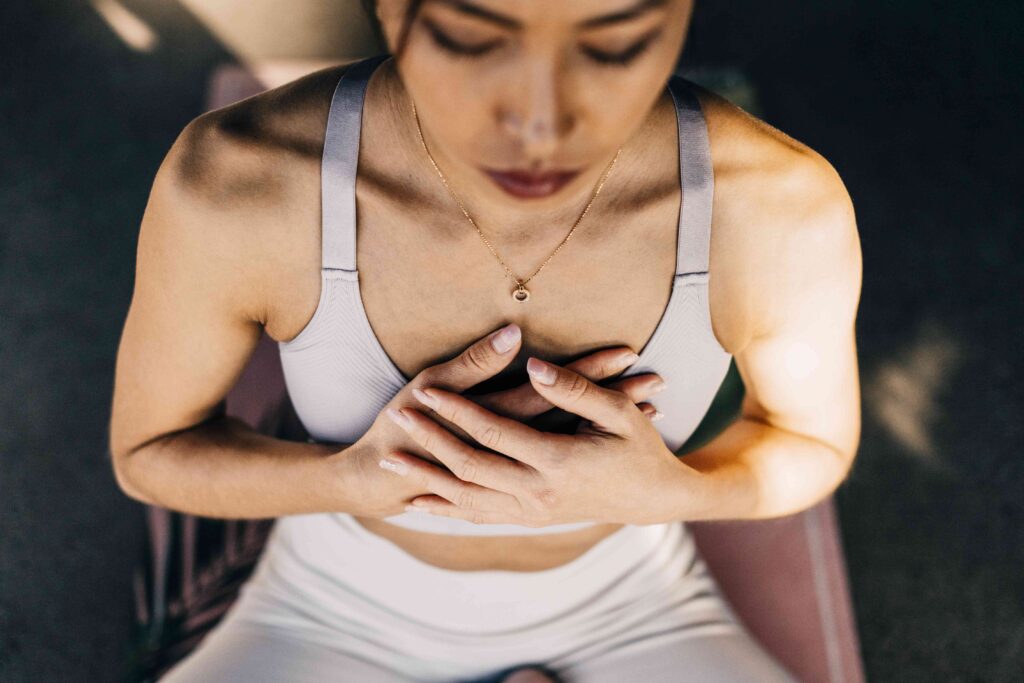
How to do:
- Inhale through nose for 4 seconds
- Exhale through nose for 6 seconds
- Repeat for 2–5 minutes
Why it’s helpful:
Longer exhalations encourage relaxation.
4. Diaphragmatic Breathing (Belly Breathing)
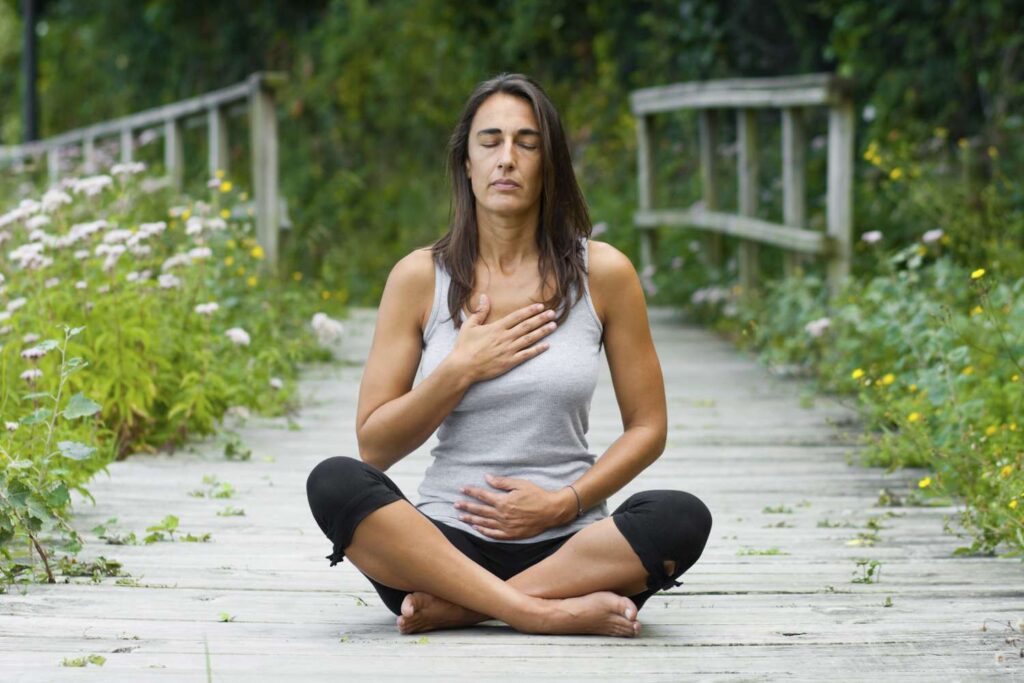
How to do:
- Lie on your back or sit comfortably
- Place one hand on belly
- Inhale → belly rises
- Exhale → belly lowers
Awareness benefit:
Helps beginners notice breathing muscles.
5. Alternate Nostril Awareness (Basic)
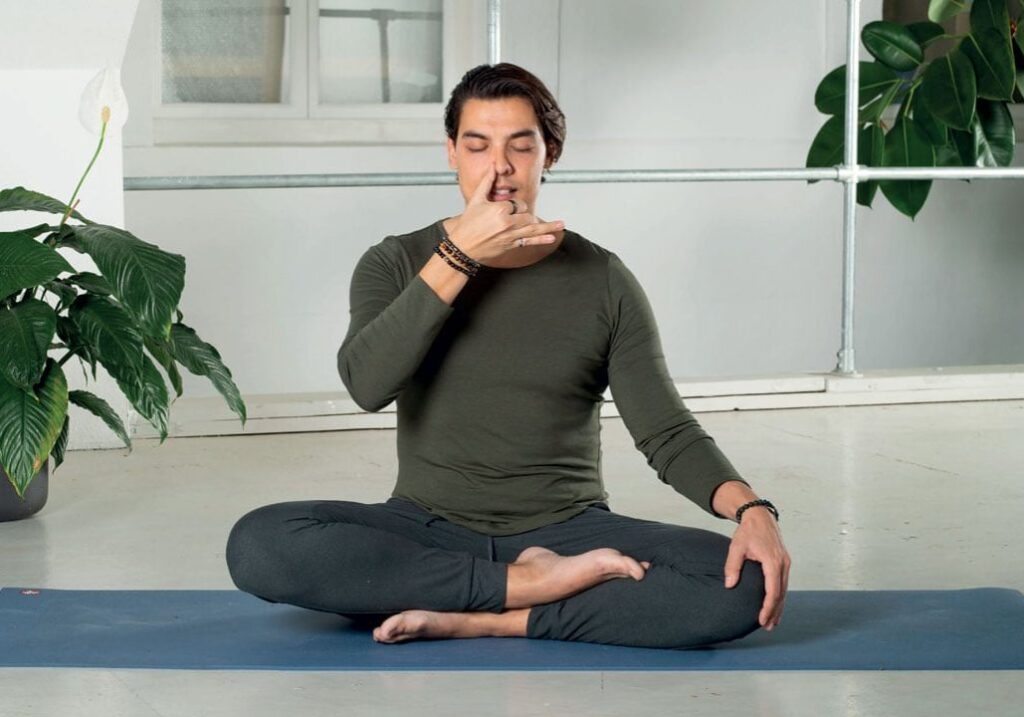
Beginner-friendly without deep pranayama instructions.
How to do:
- Sit comfortably
- Close right nostril with thumb
- Inhale through left
- Switch + exhale through right
- Repeat alternate sides
- Keep breath slow & steady
Important:
This is simple awareness breathing, not advanced pranayama or medical breathing.
⏱ How Long Should Beginners Practice?
Most beginners practice for:
- 2–10 minutes per session
- 3–7 days a week
Duration depends on comfort — no strict rules.
🧺 Do You Need Equipment? (Cost Breakdown)
Breathing exercises require no equipment.
Optional items below can make it more enjoyable:
| Item | Purpose | Cost (USD) |
|---|---|---|
| Yoga Mat | Comfortable sitting | $10 – $70 |
| Cushion/Bolster | Hip elevation | $5 – $30 |
| Timer/Watch | Breath timing | Free – $20 |
Budget setup = floor + pillow + phone timer = $0.
Divers benefit from calm breath control underwater. For beginners exploring scuba:
👉 ScoobaDiveGuide.com for calm breathing awareness for divers
🧍 Best Time for Breathing Exercises
Beginners often practice at:
- morning (fresh start)
- before yoga
- before bed
- after long screen time
- during breaks at work
Breathing fits into micro-moments of daily life.
📋 Simple Weekly Breathing Plan (For Beginners)
| Day | Exercise | Duration |
|---|---|---|
| Monday | Nasal Breathing | 5 min |
| Tuesday | Box Breathing | 3 min |
| Wednesday | Diaphragmatic | 5 min |
| Thursday | 4-6 Breathing | 4 min |
| Friday | Alternate Nostril | 3 min |
| Saturday | Mix + Explore | 5 min |
| Sunday | Light or Rest | Optional |
This keeps practice easy & non-intimidating.
🚫 Safety & Comfort Tips (Non-medical)
- Sit upright but relaxed
- Avoid forcing breath
- Stop if you feel dizzy or uncomfortable
- Practice without strain
- Breathe through the nose unless congested
If you feel discomfort, pause — yoga is not about force.
If you’re combining breathing with movement, check our:
👉 morning yoga routine for beginners
❓ Frequently Asked Questions
Q1: Are breathing exercises safe for beginners?
Yes. Simple exercises like nasal breathing and belly breathing are beginner-friendly.
Q2: How long should a beginner do breathing exercises?
About 2–10 minutes based on comfort.
Q3: Do I need equipment for breathing exercises?
No equipment required — just a comfortable space.
Q4: Can I do breathing exercises lying down?
Yes, diaphragmatic breathing works well lying down or seated.
Q5: Are breathing exercises the same as meditation?
Breathing can be part of meditation, but they are not always the same practice.
🏁 Final Thoughts
Breathing exercises don’t require flexibility, strength, or long sessions.
Just slow breath + relaxed posture + consistency can support awareness and calmness in daily life.
For beginners, start small — and let breathing become your anchor throughout the day.
Yoga breathing can support mental focus before adventure sports.
👉 SkydiveGuides.com for best sky diving in europe