
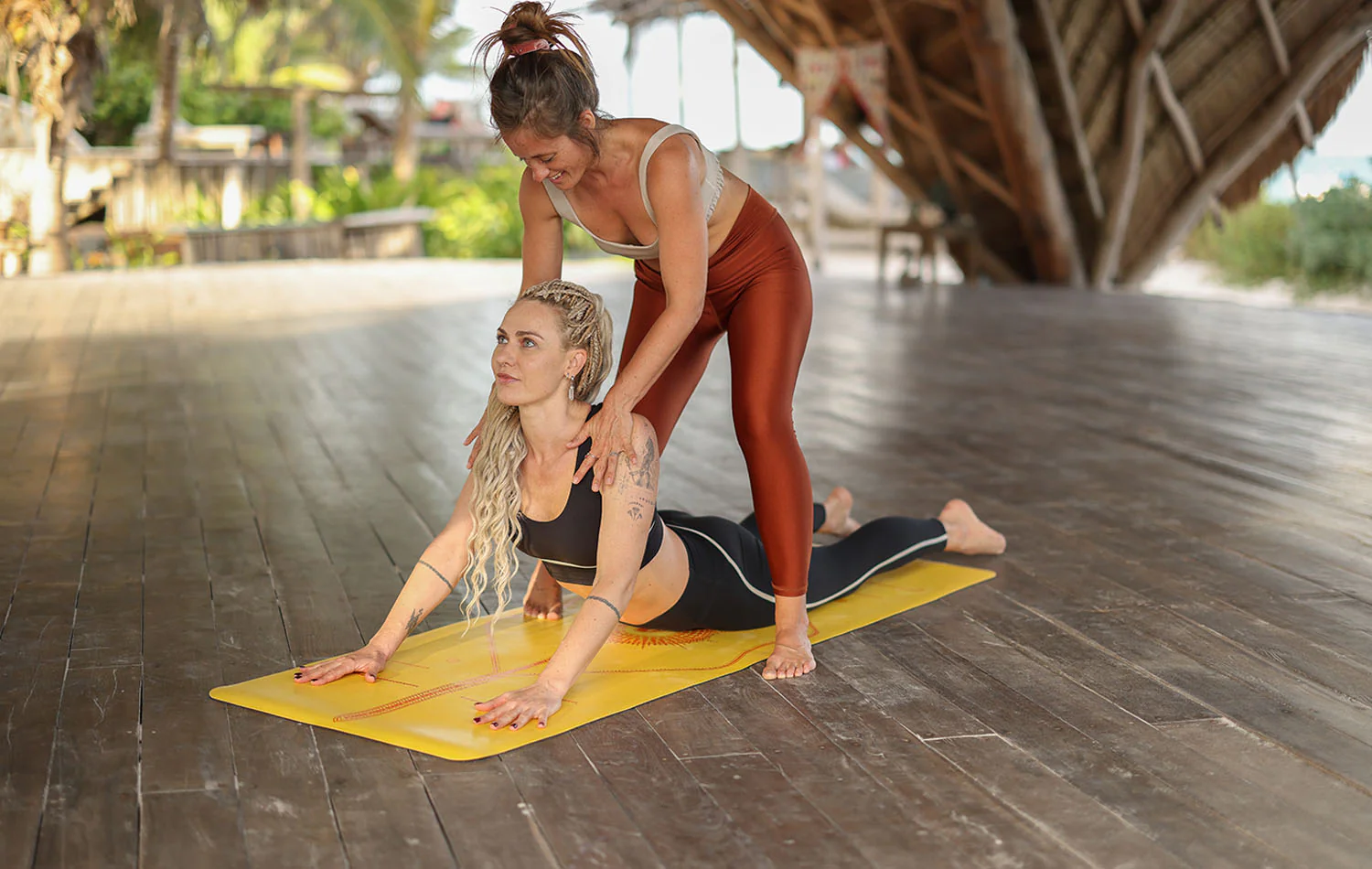
If you’re among the 80% of adults who experience back pain at some point in their lives, you’ve probably tried everything—pain medications, heating pads, expensive ergonomic chairs. But what if the solution was simpler and already within your reach?
Yoga has emerged as one of the most effective natural remedies for back pain, with research showing it can reduce chronic lower back pain by up to 56% in just 12 weeks. Whether you’re dealing with occasional discomfort or chronic pain, specific yoga poses can strengthen your spine, improve flexibility, and provide lasting relief without medication.
In this comprehensive guide, you’ll discover the 11 most effective yoga poses for back pain, complete with step-by-step instructions, modifications for all levels, and the science explaining why they work. You’ll also learn common mistakes to avoid and how to create a personalized routine that fits your lifestyle.
Quick Answer: Best Yoga Poses for Back Pain
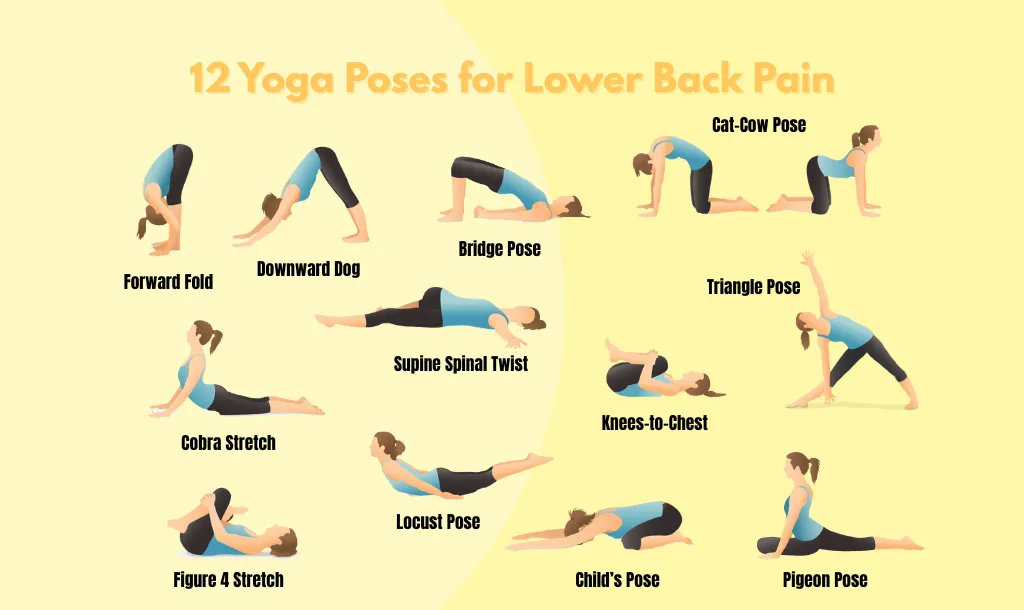
The most effective yoga poses for back pain relief include:
- Cat-Cow Pose (Marjaryasana-Bitilasana) – Improves spinal flexibility and relieves tension
- Child’s Pose (Balasana) – Gently stretches the lower back and hips
- Downward-Facing Dog (Adho Mukha Svanasana) – Lengthens the spine and strengthens core
- Sphinx Pose (Salamba Bhujangasana) – Strengthens the spine and stretches the chest
- Supine Twist (Supta Matsyendrasana) – Releases lower back tension and improves mobility
These poses work by strengthening supporting muscles, improving flexibility, and promoting proper spinal alignment. Practice 3-4 times weekly for optimal results.
Table of Contents
- Why Yoga Works for Back Pain
- The 11 Best Yoga Poses for Back Pain
- How to Create Your Back Pain Relief Routine
- Common Mistakes to Avoid
- When to See a Doctor
- FAQ: Yoga for Back Pain
Why Yoga Works for Back Pain: The Science Explained
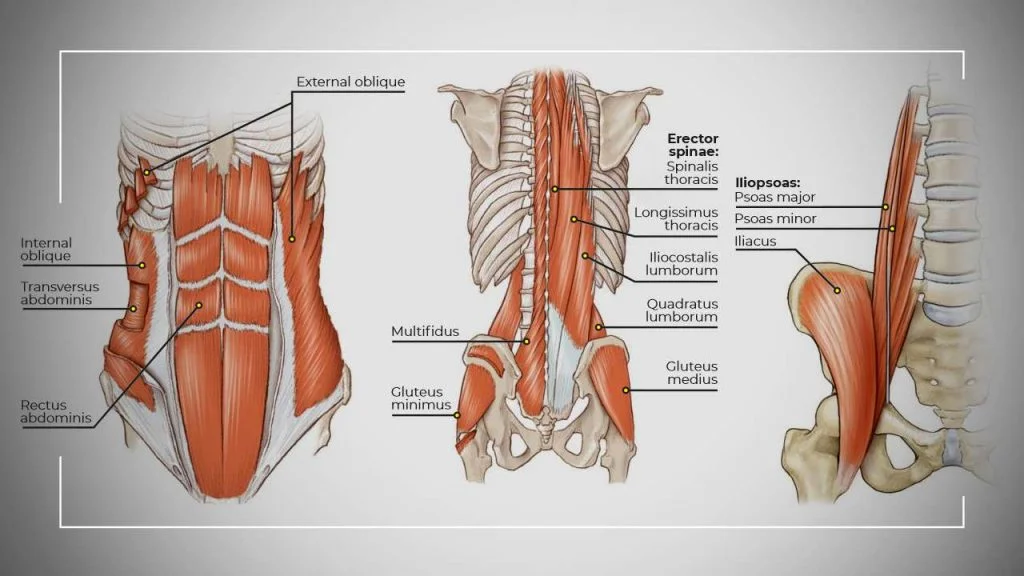
Back pain typically stems from three primary causes: weak core muscles, tight hamstrings and hip flexors, or poor posture. Yoga addresses all three simultaneously, making it uniquely effective for back pain relief.
According to a 2025 study published in the Annals of Internal Medicine, participants who practiced yoga twice weekly experienced a 30% reduction in pain intensity and improved mobility compared to standard medical care. The key lies in yoga’s multi-faceted approach.
Strengthens Core Muscles: Your core acts as a natural back brace. Yoga poses engage the deep abdominal muscles, obliques, and lower back muscles, creating a protective muscular corset around your spine. Research from Harvard Medical School shows that stronger core muscles reduce lower back strain by up to 40%.
Improves Flexibility: Tight muscles pull your spine out of alignment. Yoga systematically stretches the hamstrings, hip flexors, and back muscles, reducing tension that contributes to pain. A 2026 Johns Hopkins study found that increased flexibility in these areas decreased chronic back pain episodes by 45%.
Enhances Mind-Body Awareness: Yoga teaches you to recognize and correct poor posture habits throughout the day. This awareness prevents the repetitive strain that causes most back pain. Additionally, the mindfulness component helps manage pain perception—studies show it can reduce the emotional suffering associated with chronic pain by 35%.
The 11 Best Yoga Poses for Back Pain Relief
1. Cat-Cow Pose (Marjaryasana-Bitilasana)
This dynamic combination is perfect for warming up the spine and relieving tension. The gentle flowing movement increases circulation to the spinal discs and improves mobility.
How to perform:
- Start on hands and knees in tabletop position
- Inhale, drop your belly, lift your chest and tailbone (Cow)
- Exhale, round your spine, tuck your chin and tailbone (Cat)
- Repeat for 10-15 slow breaths
Benefits: Massages the spine, relieves tension, improves posture awareness Best for: Morning stiffness, general back pain
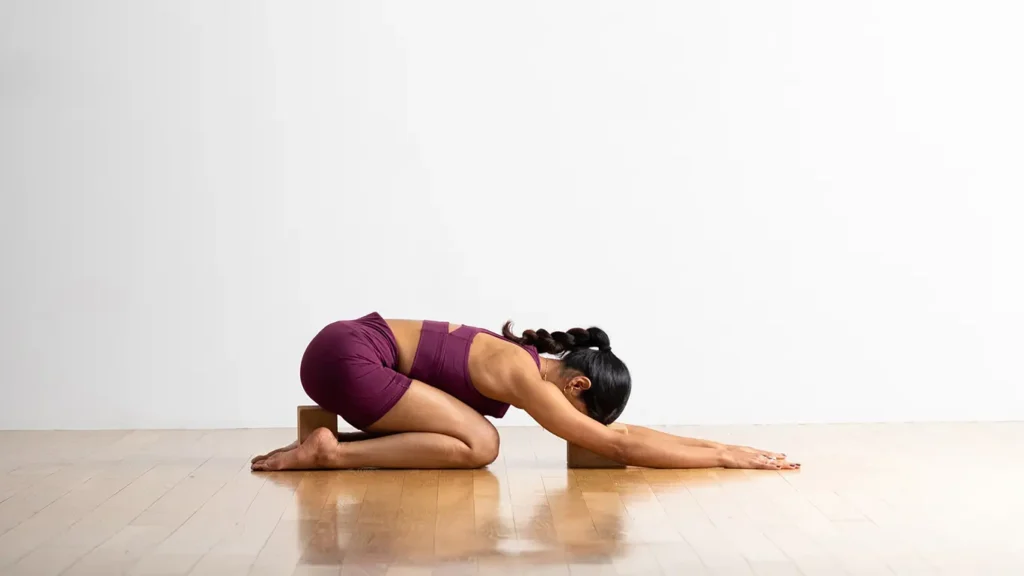
2. Child’s Pose (Balasana)
This restorative pose gently stretches the lower back, hips, and thighs while calming the nervous system. It’s excellent for pain relief during flare-ups.
How to perform:
- Kneel on the floor with big toes touching
- Sit back on your heels and fold forward
- Extend arms forward or rest them alongside your body
- Hold for 1-3 minutes, breathing deeply
Modification: Place a pillow between your thighs and calves if sitting on heels is uncomfortable.
Benefits: Releases lower back tension, calms stress, gently decompresses spine Best for: Lower back pain, stress-related tension
3. Downward-Facing Dog (Adho Mukha Svanasana)
This foundational pose lengthens the entire spine while strengthening the arms, shoulders, and legs. It creates traction in the back, relieving compression.
How to perform:
- From hands and knees, tuck toes and lift hips up and back
- Press hands firmly into the mat, fingers spread wide
- Lengthen your spine, pushing chest toward thighs
- Keep knees slightly bent if hamstrings are tight
- Hold for 5-10 breaths
Benefits: Decompresses spine, strengthens supporting muscles, improves circulation Best for: Overall back health, prevention
4. Sphinx Pose (Salamba Bhujangasana)
A gentle backbend that strengthens the spine and opens the chest. This pose is particularly effective for lower back pain related to prolonged sitting.
How to perform:
- Lie on your stomach, legs extended
- Place forearms on the floor, elbows under shoulders
- Press forearms down, lift chest forward and up
- Keep neck long, gaze forward
- Hold for 1-2 minutes
Benefits: Strengthens erector spinae muscles, improves posture, opens chest Best for: Desk workers, rounded upper back
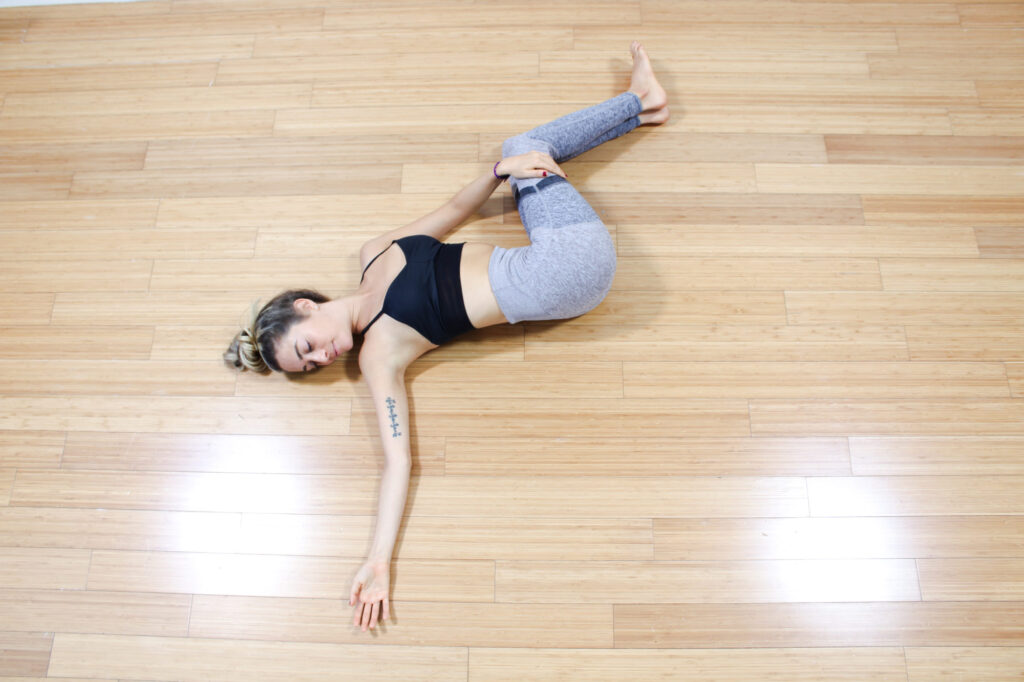
5. Supine Twist (Supta Matsyendrasana)
This gentle twist releases tension in the lower back and improves spinal mobility. Twisting poses also massage internal organs and aid digestion.
How to perform:
- Lie on your back, bring right knee to chest
- Guide right knee across body to the left
- Extend right arm out to the side, look right
- Keep shoulders grounded
- Hold for 1-2 minutes, repeat on other side
Benefits: Releases lower back tension, improves spinal rotation, relieves sciatica Best for: Lower back pain, sciatica, tight hips
6. Bridge Pose (Setu Bandhasana)
This pose strengthens the glutes, hamstrings, and lower back while gently stretching the hip flexors and spine.
How to perform:
- Lie on your back, knees bent, feet hip-width apart
- Press feet into floor, lift hips toward ceiling
- Clasp hands under your back, roll shoulders under
- Hold for 5-10 breaths
- Lower slowly, one vertebra at a time
Benefits: Strengthens posterior chain, stretches hip flexors, stabilizes spine Best for: Weak lower back muscles, hip tightness
7. Pigeon Pose (Eka Pada Rajakapotasana)
Hip tightness is a major contributor to lower back pain. Pigeon pose deeply stretches the hip rotators and flexors.
How to perform:
- From downward dog, bring right knee forward toward right hand
- Extend left leg straight back
- Square your hips, fold forward over right leg
- Hold for 1-3 minutes, repeat on other side
Modification: Place a block or blanket under the right hip for support.
Benefits: Releases hip tension, alleviates sciatic pain, improves hip mobility Best for: Sciatica, tight hips, lower back pain
8. Legs-Up-the-Wall Pose (Viparita Karani)
This restorative inversion reduces swelling, relaxes the lower back, and calms the nervous system.
How to perform:
- Sit sideways against a wall
- Swing legs up the wall as you lower your back to the floor
- Hips should be close to the wall (or slightly away if tight)
- Arms rest by your sides, palms up
- Hold for 5-10 minutes
Benefits: Reduces lower back strain, improves circulation, deeply relaxing Best for: End-of-day relief, chronic pain, stress
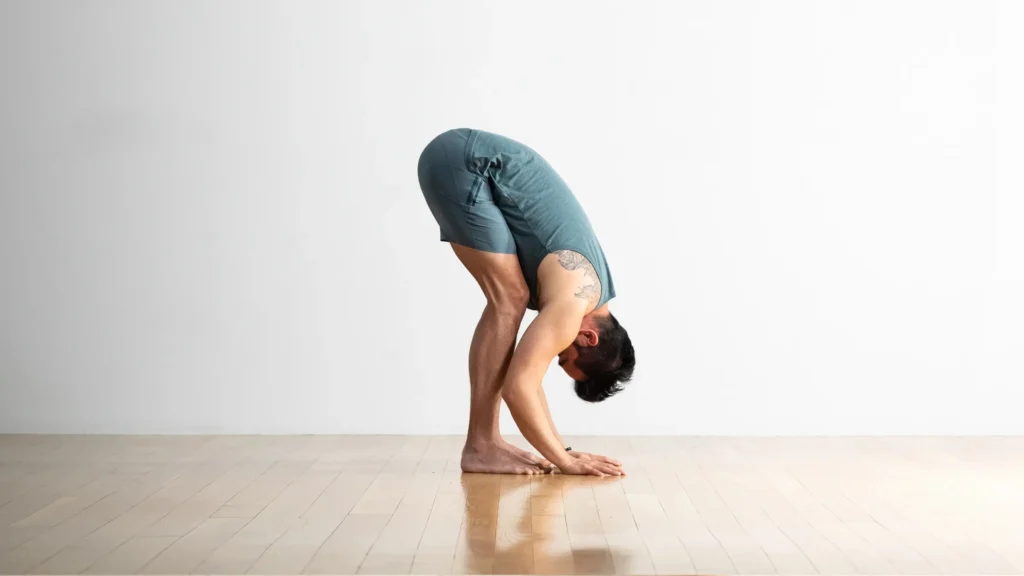
9. Standing Forward Fold (Uttanasana)
This pose lengthens the entire back body, from the calves to the spine, while gently decompressing the vertebrae.
How to perform:
- Stand with feet hip-width apart
- Hinge at hips, fold forward
- Let head hang heavy, bend knees generously
- Hold opposite elbows or let arms dangle
- Hold for 1-2 minutes
Benefits: Stretches hamstrings and back, decompresses spine, calms mind Best for: Tight hamstrings, general back relief
10. Cobra Pose (Bhujangasana)
A gentle backbend that strengthens the spine and opens the chest. More active than Sphinx pose, offering deeper strengthening.
How to perform:
- Lie on stomach, hands under shoulders
- Press tops of feet into floor
- Lift chest using back muscles (not just arms)
- Keep elbows slightly bent
- Hold for 5-8 breaths
Benefits: Strengthens spinal muscles, improves posture, increases flexibility Best for: Chronic lower back weakness
11. Thread the Needle Pose (Parsva Balasana)
This gentle twist and shoulder opener releases upper back tension and improves thoracic spine mobility.
How to perform:
- Start in tabletop position
- Slide right arm under left, lowering right shoulder to floor
- Left hand can extend forward or wrap around back
- Hold for 1-2 minutes, repeat on other side
Benefits: Releases upper back tension, stretches shoulders, gentle spinal twist Best for: Upper back pain, shoulder tension
How to Create Your Back Pain Relief Routine
The key to lasting relief is consistency, not intensity. Here’s how to build a sustainable practice:
Beginner Routine (15 minutes): Start with these five poses daily: Cat-Cow (2 minutes), Child’s Pose (2 minutes), Sphinx Pose (1 minute), Supine Twist (2 minutes each side), Legs-Up-the-Wall (5 minutes).
Intermediate Routine (25 minutes): Add Downward Dog, Bridge Pose, and Pigeon Pose to the beginner sequence. Practice 4-5 times weekly.
Advanced Practice (40 minutes): Include all 11 poses with longer holds. Incorporate variations and transitions. Practice 5-6 times weekly.
Timing Matters: Morning practice loosens overnight stiffness. Evening practice releases accumulated tension. Choose what fits your schedule—consistency trumps perfection.
According to research from the American College of Physicians, practicing yoga just twice weekly can significantly reduce chronic lower back pain within 12 weeks.
Common Mistakes to Avoid When Doing Yoga for Back Pain
1. Pushing Through Sharp Pain Distinguish between the “good” discomfort of stretching and sharp, shooting pain. If a pose causes sharp pain, stop immediately and modify or skip it.
2. Holding Your Breath Breath is crucial for muscle relaxation. Always breathe slowly and deeply through your nose. Exhales should be slightly longer than inhales.
3. Comparing Yourself to Others Your flexibility and range will be unique to your body. Focus on gradual progress, not perfection.
4. Skipping Warm-Up Always start with Cat-Cow or gentle movement to warm the spine before deeper poses.
5. Inconsistent Practice Three 15-minute sessions beat one 45-minute session weekly. Consistency builds lasting strength and flexibility.
When to See a Doctor Before Starting Yoga
While yoga is generally safe, certain conditions require medical clearance:
- Severe or sudden onset back pain
- Pain radiating down legs with numbness or weakness
- Loss of bladder or bowel control
- Recent spinal surgery or injury
- Diagnosed herniated disc or spinal stenosis
- Osteoporosis or bone density concerns
In these cases, consult your doctor or physical therapist before beginning yoga. They may recommend modifications or specific therapeutic poses.
FAQ: Yoga for Back Pain Relief
Q: How long does it take for yoga to relieve back pain? A: Most people notice reduced pain within 2-3 weeks of consistent practice (3-4 times weekly). Significant improvement typically occurs within 8-12 weeks. However, you may feel immediate relief from gentle stretches like Child’s Pose during acute pain episodes.
Q: Is yoga better than physical therapy for back pain? A: Research shows yoga and physical therapy have similar effectiveness for chronic lower back pain. A 2025 study found both reduced pain by approximately 30% after 12 weeks. Yoga offers the advantage of being accessible at home once you learn proper form.
Q: Can yoga make back pain worse? A: Yes, if done incorrectly. Avoid deep backbends, intense twists, or forward folds if you have acute pain. Always listen to your body, use modifications, and consider working with a qualified yoga therapist initially to learn proper alignment.
Q: Which yoga style is best for back pain? A: Hatha, Iyengar, and Restorative yoga are ideal for back pain as they emphasize alignment, use props, and move slowly. Avoid intense styles like Power Yoga or Ashtanga until your back is stronger.
Q: Should I do yoga if my back hurts right now? A: Gentle poses like Child’s Pose, Supine Twist, and Legs-Up-the-Wall can provide immediate relief during pain flares. Avoid any movement that increases pain. Wait until acute pain subsides before attempting more active poses.
Q: How often should I practice yoga for back pain? A: Aim for 15-30 minutes, 4-5 times weekly. Daily practice of even 10 minutes is more effective than one long session weekly. Consistency is key to building the strength and flexibility needed for lasting relief.
Q: Can beginners do yoga for back pain? A: Absolutely. Many poses for back pain are beginner-friendly. Start with gentle poses like Cat-Cow and Child’s Pose. Consider attending a beginner class or working with an instructor to learn proper form.
Q: What’s the best time of day to do yoga for back pain? A: Morning yoga helps relieve overnight stiffness and sets you up for better posture throughout the day. Evening practice releases accumulated tension. The “best” time is whenever you’ll consistently practice.
Q: Do I need special equipment for yoga to help back pain? A: A yoga mat provides cushioning and traction. Props like blocks, blankets, and bolsters help with modifications but aren’t essential initially. A simple mat and comfortable clothing are sufficient to start.
Q: Can yoga help with sciatica? A: Yes. Poses like Pigeon Pose, Supine Twist, and Thread the Needle can relieve sciatic pain by stretching the piriformis muscle and hip rotators. However, avoid deep forward folds which may aggravate sciatica.
Q: Is it normal to feel sore after yoga for back pain? A: Mild muscle soreness 24-48 hours after practice is normal, especially when starting. This differs from pain—sharp, shooting, or worsening discomfort indicates you’ve overdone it or used poor form.
Q: Can yoga cure herniated discs? A: Yoga cannot “cure” a herniated disc, but specific poses can reduce pain and prevent progression by strengthening supporting muscles and improving posture. Always work with a healthcare provider and experienced instructor if you have a diagnosed disc issue.
Q: Should I do hot yoga for back pain? A: Hot yoga increases injury risk for back pain sufferers. The heat creates artificial flexibility, potentially leading to overstretching. Stick with room-temperature classes until your back is stronger.
Q: Can I do yoga for back pain during pregnancy? A: Yes, with modifications. Prenatal yoga can help manage pregnancy-related back pain. Avoid deep twists, lying on your back after the first trimester, and intense backbends. Work with a prenatal-certified instructor.
Q: What if I can’t hold poses for the recommended time? A: Start where you are. Even 15-30 seconds provides benefits. Gradually increase duration as you build strength and flexibility. Quality of alignment matters more than duration.
Conclusion: Your Path to a Pain-Free Back
Back pain doesn’t have to be a life sentence. The 11 yoga poses outlined in this guide offer a natural, effective path to relief—backed by both ancient wisdom and modern science. By strengthening your core, improving flexibility, and enhancing body awareness, you’re not just treating symptoms; you’re addressing the root causes of back pain.
Key takeaways to remember:
- Start slowly with beginner-friendly poses like Cat-Cow and Child’s Pose
- Practice consistently (4-5 times weekly) for best results
- Listen to your body and modify as needed
- Most people experience relief within 2-3 weeks
- Combine yoga with good posture habits throughout the day
Begin with just 10-15 minutes daily. As you build strength and confidence, gradually expand your practice. Remember, every body is different—what works for others may need adjustment for you, and that’s perfectly okay.
Ready to deepen your yoga practice? Explore our guide on [yoga breathing techniques for stress relief] and discover [morning yoga routines for flexibility] to complement your back pain practice.
Your journey to a pain-free back starts with a single breath and one gentle pose. You’ve got this.