
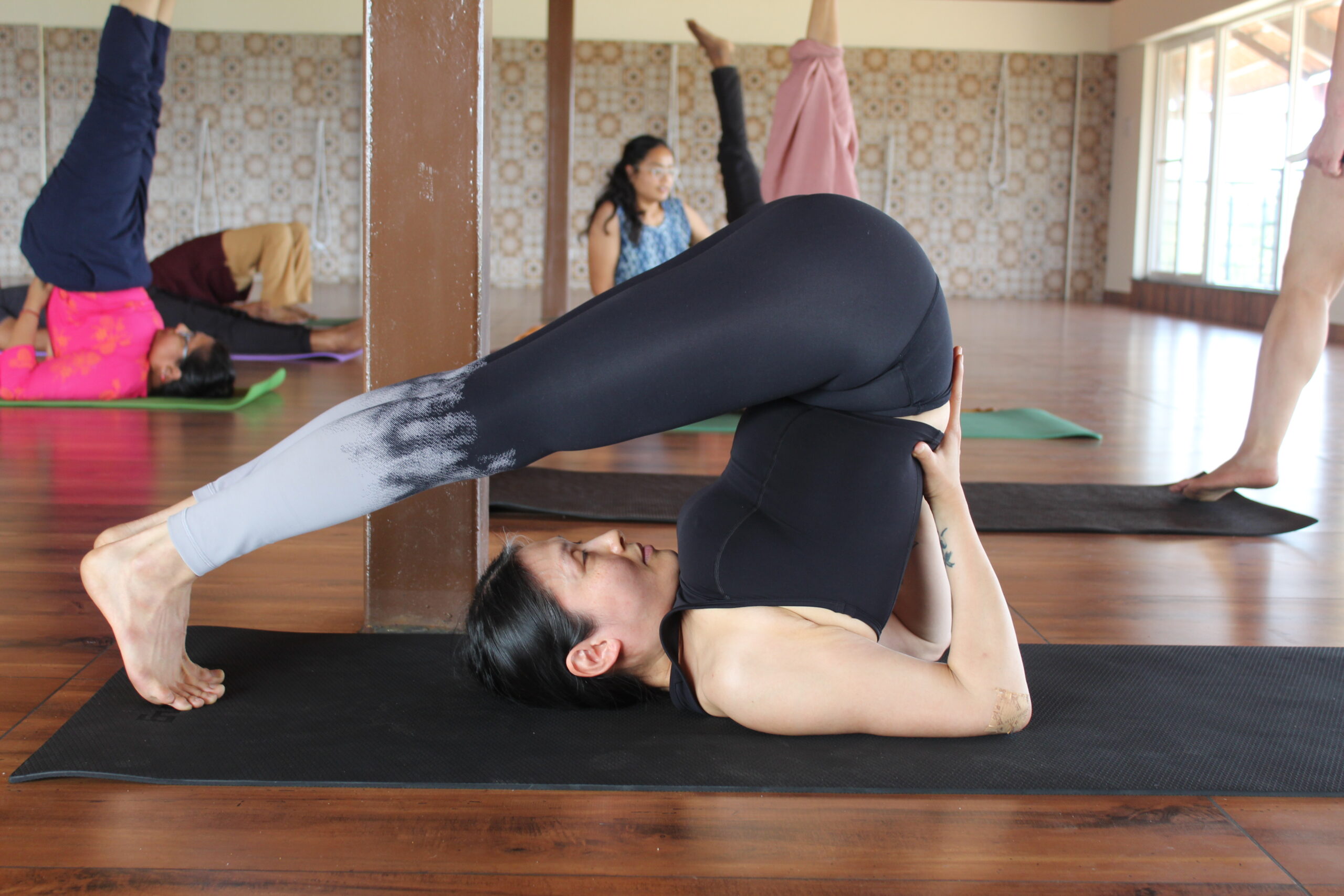
Digestive issues such as bloating, constipation, and stomach discomfort are becoming increasingly common in modern lifestyles. Factors like poor diet, stress, lack of physical activity, and irregular eating habits can negatively affect the digestive system.
Fortunately, yoga offers a natural way to support digestive health. Certain yoga poses for digestion gently massage the abdominal organs, stimulate blood circulation, and improve gut function. These poses can help relieve bloating, improve metabolism, and support overall digestive wellness.
In this guide, you’ll learn the best yoga poses for digestion, how yoga improves digestive function, and simple routines you can practice daily to support gut health naturally.
Quick Answer: Best Yoga Poses for Digestion
If you want to improve digestion naturally, these yoga poses are highly effective:
- Wind Relieving Pose (Pavanamuktasana)
- Seated Forward Fold (Paschimottanasana)
- Supine Twist Pose
- Cat-Cow Stretch
- Cobra Pose
- Child’s Pose
Practicing these yoga poses for digestion regularly can help stimulate digestive organs and relieve common digestive discomforts.
Table of Contents
- How Yoga Improves Digestion
- Common Digestive Problems Yoga Can Help
- Benefits of Yoga for Gut Health
- 10 Best Yoga Poses for Digestion
- Simple Daily Yoga Routine for Digestion
- Lifestyle Tips for Better Digestion
- FAQ: Yoga for Digestive Health
How Yoga Improves Digestion
Yoga supports digestive health in several ways. Certain poses compress and release the abdominal area, which gently massages the digestive organs and encourages proper functioning.
These movements help stimulate organs such as:
- Stomach
- Intestines
- Liver
- Pancreas
Deep breathing during yoga also activates the parasympathetic nervous system, which helps the body relax and improves digestion.
According to health research, stress can significantly affect digestive processes, and relaxation techniques such as yoga may help regulate gut activity.
Common Digestive Problems Yoga Can Help
Many digestive issues are linked to stress, sedentary lifestyles, or irregular eating patterns.
Yoga may help improve symptoms associated with:
- Bloating
- Constipation
- Gas
- Slow digestion
- Mild stomach discomfort
While yoga cannot replace medical treatment for serious conditions, it can be a helpful supportive practice for improving digestive comfort.
Benefits of Yoga for Gut Health
Practicing yoga poses for digestion offers several benefits.
Key Benefits
• Stimulates digestive organs
• Improves blood circulation in the abdomen
• Helps reduce bloating
• Supports healthy metabolism
• Promotes relaxation and stress reduction
Yoga also encourages mindful breathing, which can further support digestive health.
10 Best Yoga Poses for Digestion
Below are some of the most effective yoga poses for improving digestion.
1. Wind Relieving Pose (Pavanamuktasana)
This pose is specifically designed to relieve gas and bloating.
How to perform
- Lie on your back.
- Bring one knee toward your chest.
- Hug the knee with both hands.
- Hold for 20–30 seconds.
2. Seated Forward Fold
This pose gently compresses the abdomen.
Steps
- Sit with legs extended.
- Reach forward toward your toes.
- Hold for 30 seconds.
3. Supine Spinal Twist
Twisting poses help stimulate digestion.
Steps
- Lie on your back.
- Bend one knee toward the chest.
- Twist it across your body.
4. Cat-Cow Stretch
This pose improves circulation in the abdomen.
Steps
- Begin on hands and knees.
- Inhale and arch your back.
- Exhale and round the spine.
5. Cobra Pose
This pose stretches the abdominal muscles.
Steps
- Lie face down.
- Press palms into the floor.
- Lift chest upward.
6. Child’s Pose
A relaxing pose that gently compresses the stomach.
7. Boat Pose
Strengthens abdominal muscles and improves core stability.
8. Triangle Pose
Stimulates digestive organs while improving flexibility.
9. Bridge Pose
Encourages circulation around abdominal organs.
10. Garland Pose (Malasana)
A deep squat that stimulates digestion.
Simple Daily Yoga Routine for Digestion
Try this short routine after meals or in the morning.
- Cat-Cow Stretch – 1 minute
- Seated Forward Fold – 30 seconds
- Supine Twist – 30 seconds each side
- Wind Relieving Pose – 30 seconds
- Child’s Pose – 1 minute
This sequence can help relax the body and support digestion.
Lifestyle Tips for Better Digestion
Yoga works best when combined with healthy lifestyle habits.
Helpful Tips
✔ Eat slowly and chew food properly
✔ Drink enough water during the day
✔ Maintain regular meal times
✔ Reduce stress through relaxation techniques
✔ Stay physically active
These habits support digestive health alongside yoga practice.
FAQ: Yoga Poses for Digestion
Can yoga improve digestion?
Yes. Yoga helps stimulate abdominal organs and supports relaxation, which can improve digestive function.
Which yoga pose is best for digestion?
Wind relieving pose (Pavanamuktasana) is one of the most effective poses for relieving gas and bloating.
When should I practice yoga for digestion?
Yoga can be practiced in the morning or several hours after meals.
Can yoga help with bloating?
Yes. Certain poses help release trapped gas and stimulate digestion.
How long should I practice yoga for digestion?
Even 10–15 minutes of yoga daily can support digestive health.
Conclusion
Digestive discomfort is a common issue for many people, often caused by stress, poor lifestyle habits, or lack of physical activity. Practicing yoga poses for digestion provides a natural and gentle way to support digestive health.
By incorporating simple yoga poses into your daily routine, you can help stimulate digestion, reduce bloating, and improve overall gut wellness. Consistency is important, so even a short daily practice can make a noticeable difference over time.
Yoga not only benefits the digestive system but also promotes relaxation, balance, and overall well-being.