

Have you ever wondered why yoga instructors constantly return to Child’s Pose during class? This seemingly simple resting position is actually one of the most therapeutic and accessible poses in yoga, offering profound benefits for both body and mind. Whether you’re a complete beginner or an experienced practitioner, mastering Child’s Pose can transform your practice.
- Quick Answer Box
- Table of Contents
- Understanding Child’s Pose: The Basics
- The Sanskrit Name and Meaning
- Step-by-Step Instructions for Perfect Form
- Health Benefits of Child’s Pose
- Common Mistakes to Avoid
- Variations for Every Body Type
- When to Use Child’s Pose in Your Practice
- Frequently Asked Questions About Child’s Pose
- Conclusion: Embracing the Power of Rest
In this comprehensive guide, you’ll discover everything you need to know about Child’s Pose—from its Sanskrit origins to advanced variations. You’ll learn the proper technique, understand its numerous health benefits, and discover how to modify the pose for your unique body. By the end of this article, you’ll have the knowledge to practice Child’s Pose safely and effectively.
Quick Answer Box
What is Child’s Pose in Yoga?
Child’s Pose (Balasana in Sanskrit) is a foundational resting yoga posture that:
- Gently stretches the hips, thighs, and ankles
- Calms the nervous system and reduces stress
- Provides a safe resting position between challenging poses
- Can be practiced by yogis of all experience levels
- Takes only 30 seconds to several minutes to perform
Table of Contents
- Understanding Child’s Pose: The Basics
- The Sanskrit Name and Meaning
- Step-by-Step Instructions for Perfect Form
- Health Benefits of Child’s Pose
- Common Mistakes to Avoid
- Variations for Every Body Type
- When to Use Child’s Pose in Your Practice
- FAQ Section
Understanding Child’s Pose: The Basics
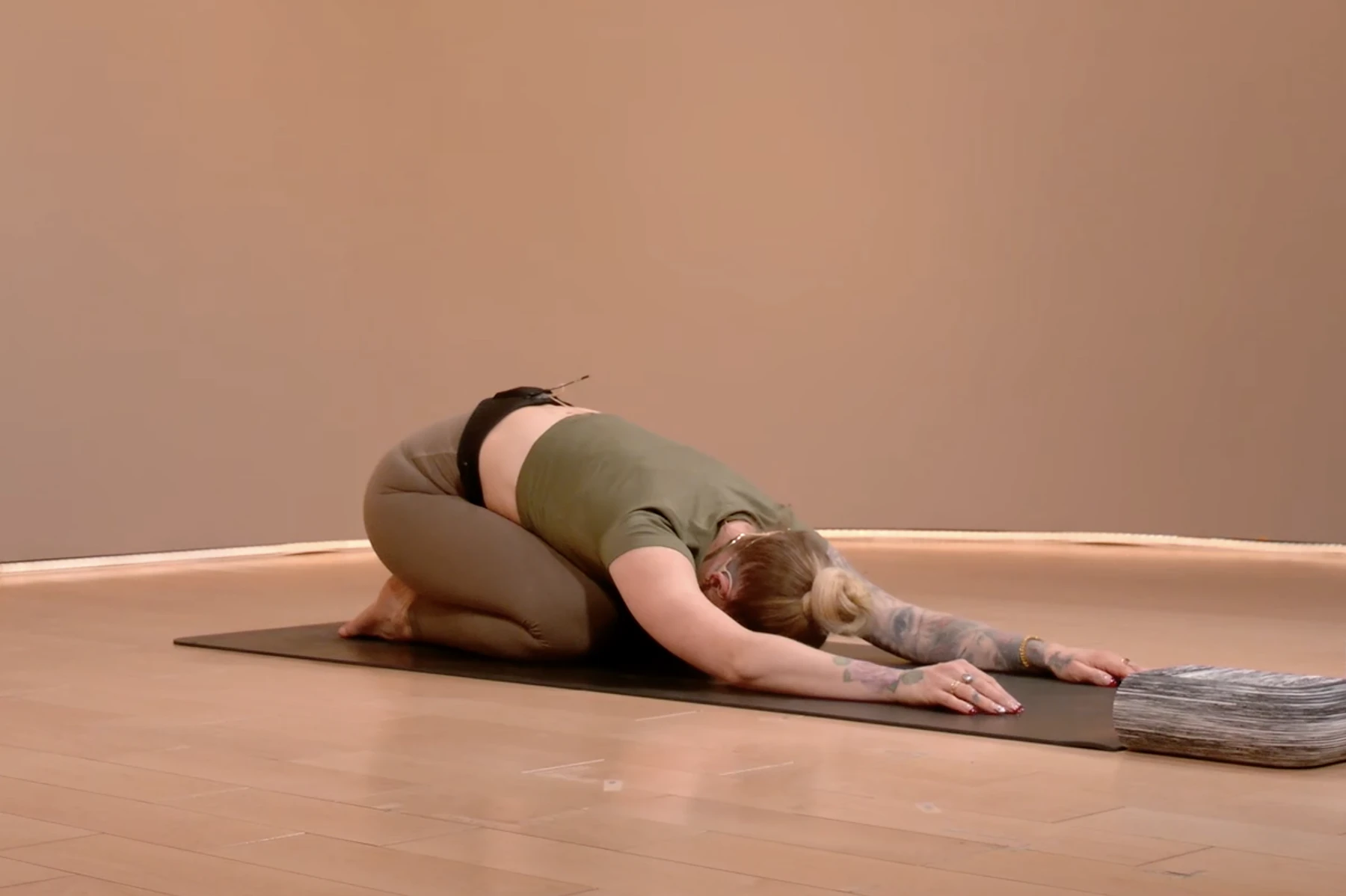
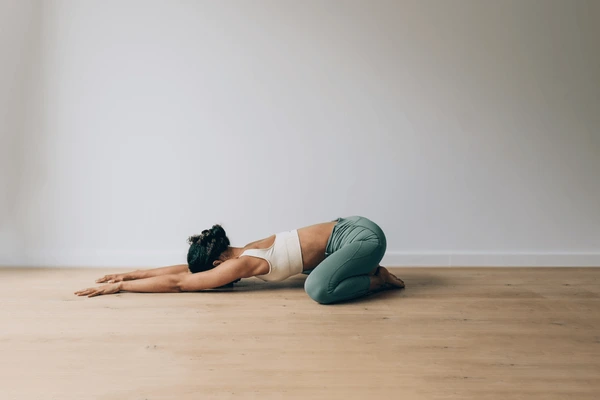
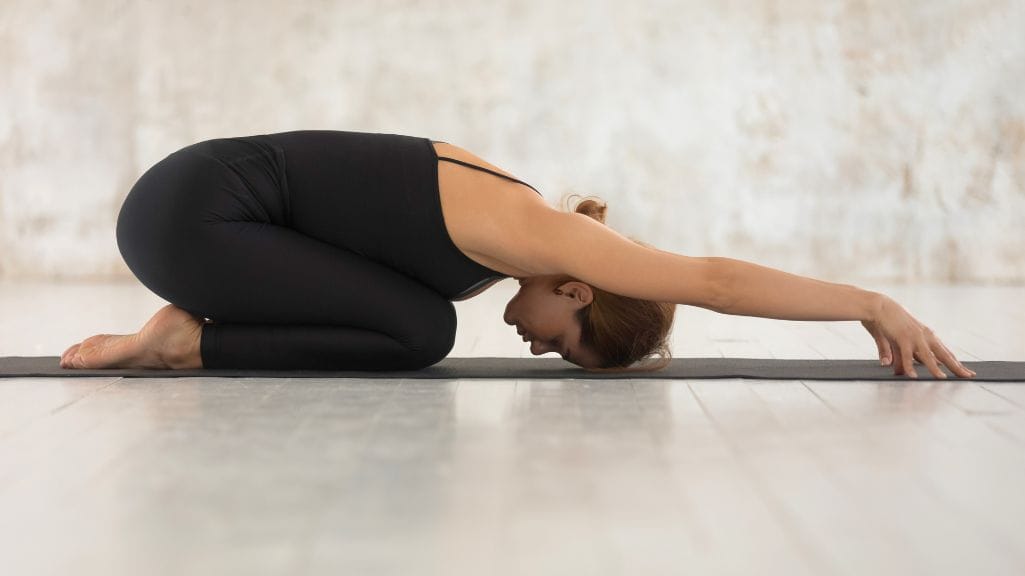
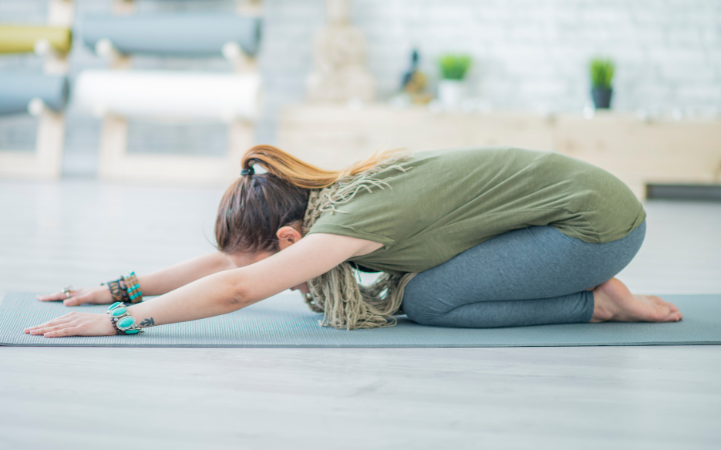
Child’s Pose is a forward-bending yoga posture where you kneel on the floor and fold your torso over your thighs, creating a fetal-like position. It’s often used as a resting pose during yoga classes, particularly between more demanding sequences like Sun Salutations or standing poses.
This gentle pose creates a sense of introspection and safety. When you practice Child’s Pose, you’re literally turning inward, away from external stimulation. Your forehead rests on the mat, your arms either extend forward or rest alongside your body, and your breath naturally deepens.
The beauty of Child’s Pose lies in its accessibility. Unlike complex balancing poses or deep backbends, almost everyone can find a variation that works for their body. According to a 2024 study published in the Journal of Bodywork and Movement Therapies, restorative poses like Child’s Pose significantly reduce cortisol levels and improve parasympathetic nervous system activity.
In modern yoga studios across the globe, Child’s Pose has become synonymous with self-care and listening to your body. Instructors frequently remind students that “Child’s Pose is always available to you,” emphasizing that taking rest when needed is a sign of strength, not weakness.
The Sanskrit Name and Meaning
The Sanskrit name for Child’s Pose is Balasana, which breaks down into two parts:
- Bala = child, young
- Asana = pose, posture, seat
This name perfectly captures the essence of the pose—returning to the innocent, comfortable position of a child at rest. In Sanskrit, the language of yoga, each pose name carries layers of meaning beyond the literal translation.
Cultural Significance
In traditional yoga philosophy, Child’s Pose represents more than physical rest. It symbolizes surrender, humility, and the willingness to release control. When you bow forward in Balasana, you’re practicing pratyahara (withdrawal of the senses), one of the eight limbs of yoga outlined in Patanjali’s Yoga Sutras.
Ancient yogis understood that true strength includes knowing when to rest. The child-like quality of this pose reminds us to approach our practice with curiosity, playfulness, and self-compassion rather than rigid perfectionism.
Different yoga traditions sometimes refer to this pose by alternate names:
- Extended Child’s Pose (arms forward)
- Resting Pose
- Supported Child’s Pose (using props)
However, Balasana remains the most widely recognized and used term in contemporary yoga classes worldwide.
Step-by-Step Instructions for Perfect Form
Practicing Child’s Pose with proper alignment ensures you receive maximum benefits while avoiding unnecessary strain. Follow these detailed instructions to find your perfect version of Balasana.
Getting Into Child’s Pose
Step 1: Start in a Kneeling Position Begin by kneeling on your yoga mat with your knees hip-width apart or wider. Bring your big toes together to touch, creating a V-shape with your feet.
Step 2: Sit Back on Your Heels Gently lower your hips back toward your heels. If this creates discomfort in your knees or ankles, place a folded blanket between your hips and heels for cushioning.
Step 3: Fold Forward On an exhale, slowly fold your torso forward over your thighs. Allow your forehead to rest on the mat. If your head doesn’t reach the floor comfortably, use a yoga block or folded blanket for support.
Step 4: Position Your Arms You have two primary arm options:
- Extended arms: Reach your arms forward with palms facing down
- Relaxed arms: Rest your arms alongside your body with palms facing up
Step 5: Adjust and Settle Make small adjustments to find comfort. Your knees can be closer together or wider apart depending on what feels best for your body. Breathe deeply and allow your body to relax with each exhale.
Alignment Checkpoints
- Shoulders should stay relaxed, away from your ears
- Forehead rests gently on the mat (or prop)
- Hips remain heavy, sinking toward heels
- Spine lengthens rather than rounds excessively
- Breath flows smoothly without restriction
Duration
Hold Child’s Pose for anywhere from 30 seconds to several minutes. In restorative yoga classes, students may remain in this pose for 5-10 minutes with props for deep relaxation.
Health Benefits of Child’s Pose
Child’s Pose offers remarkable benefits for both physical and mental wellbeing. Research from 2025 demonstrates that regular practice of restorative poses like Balasana can significantly impact overall health markers.
Physical Benefits
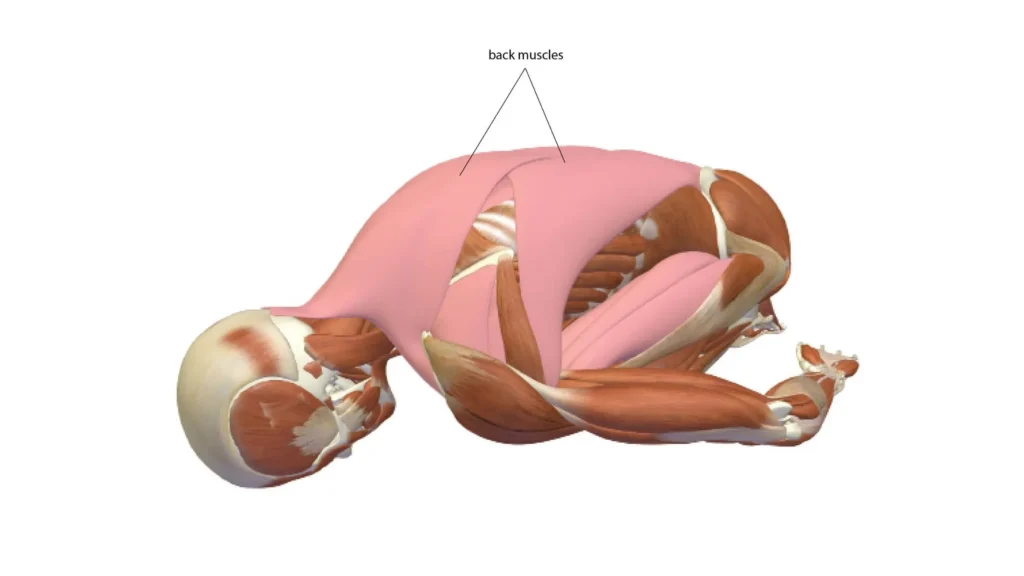
1. Gentle Spinal Stretch Child’s Pose creates a mild traction along the spine, gently lengthening the vertebrae. This counteracts the compression that occurs during standing and sitting throughout the day.
2. Hip and Thigh Release The pose stretches the hip flexors, quadriceps, and ankles—areas that become particularly tight from prolonged sitting. A 2024 study in Physical Therapy Science found that holding Child’s Pose for 3 minutes improved hip flexor flexibility by 12% in office workers.
3. Digestive Support The gentle compression of the abdomen in Child’s Pose can stimulate digestion and relieve bloating. The pose creates a massaging effect on internal organs with each breath.
4. Reduced Lower Back Tension For those experiencing mild lower back discomfort, Child’s Pose provides relief by lengthening the lumbar spine and releasing tension in the erector spinae muscles.
Mental and Emotional Benefits
5. Stress Reduction Child’s Pose activates the parasympathetic nervous system, triggering the body’s “rest and digest” response. This naturally lowers heart rate and blood pressure.
6. Anxiety Relief The inward-facing nature of the pose creates a cocoon-like feeling of safety. According to the American Psychological Association, forward folds like Child’s Pose can reduce symptoms of anxiety by promoting grounding and present-moment awareness.
7. Improved Sleep Quality Practicing Child’s Pose before bed can improve sleep quality by calming the mind and releasing physical tension accumulated throughout the day.
8. Mental Clarity The increased blood flow to the brain in this gentle inversion can enhance focus and mental clarity. Many practitioners report feeling refreshed and centered after spending time in Balasana.
Energetic Benefits
In yoga philosophy, Child’s Pose is associated with the root chakra (Muladhara) and promotes feelings of safety, grounding, and stability. The pose helps you reconnect with the earth’s energy and your foundation.
Common Mistakes to Avoid
Even in this simple pose, certain alignment errors can diminish benefits or create discomfort. Here are the most common mistakes and how to correct them.
Mistake #1: Forcing the Forehead to the Floor
The Problem: Many practitioners strain to touch their forehead to the mat, creating tension in the neck and shoulders.
The Solution: Use props! Place a yoga block, bolster, or folded blankets under your forehead. The support allows you to fully relax rather than actively holding your head up.
Mistake #2: Knees Too Close Together
The Problem: Keeping knees together can compress the abdomen and restrict breathing, especially for individuals with larger bodies or those who are pregnant.
The Solution: Widen your knees to hip-width or even mat-width apart. This creates space for your torso and allows the belly to rest comfortably between the thighs.
Mistake #3: Sitting Too Far from the Heels
The Problem: When hips hover far above the heels, you miss the grounding effect and create unnecessary engagement in the legs.
The Solution: Place a folded blanket or bolster between your hips and heels to bridge the gap. This allows you to maintain the supported, restful quality of the pose.
Mistake #4: Holding Tension in Shoulders
The Problem: Shoulders creeping up toward the ears creates neck tension and prevents full relaxation.
The Solution: Actively draw your shoulders away from your ears. If arms are extended, press palms firmly into the mat to ground the shoulders down and back.
Mistake #5: Holding Your Breath
The Problem: Unconsciously holding or restricting breath diminishes the calming benefits of the pose.
The Solution: Focus on deep, slow breathing. Let each exhale soften your body further into the pose. Count to 4 on the inhale and 6 on the exhale for optimal nervous system regulation.
Variations for Every Body Type
One of Child’s Pose’s greatest strengths is its adaptability. Here are modifications and variations to make this pose accessible and beneficial for everyone.
For Tight Hips or Knee Issues
Supported Child’s Pose: Place a bolster or several folded blankets lengthwise between your thighs. Rest your torso completely on the support, turning your head to one side. This removes pressure from knees and ankles.
For Pregnancy
Wide-Knee Child’s Pose: Separate knees wide apart (wider than hip-width) to create space for your belly. Place a bolster under your chest for additional support.
For Shoulder Tightness
Puppy Pose Variation: Instead of sitting back fully on your heels, keep your hips lifted and walk your hands forward, creating a deeper shoulder and chest stretch while maintaining the Child’s Pose essence.
For Deep Relaxation
Extended Supported Child’s Pose: Use multiple props—a bolster under your torso, a block under your forehead, and blankets under your ankles. This creates the ultimate restorative version, perfect for yin yoga or meditation.
For Active Stretching
Thread the Needle Child’s Pose: From standard Child’s Pose, thread one arm under the opposite arm, rotating your torso and resting on your shoulder. This variation adds a gentle spinal twist and shoulder stretch.
For Core Engagement
Cat-Cow to Child’s Pose Flow: Move dynamically between Cat Pose, Cow Pose, and Child’s Pose. This variation adds gentle movement while maintaining the restful quality of Balasana.
When to Use Child’s Pose in Your Practice
Child’s Pose serves multiple purposes in a yoga practice. Understanding when and why to use it enhances your overall experience.
As a Resting Pose
The most common use is as a rest between challenging sequences. After a demanding series of poses like Chaturanga push-ups or Warrior poses, Child’s Pose allows your heart rate to normalize and your breath to deepen.
As a Warm-Up
Starting your practice with Child’s Pose helps you tune into your body and breath. Spend 1-2 minutes here at the beginning of class to set an intention and prepare mentally.
Between Sun Salutations
During vinyasa flow classes, instructors often offer Child’s Pose as an alternative to Downward-Facing Dog. If you need a break from the faster pace, dropping into Balasana is always appropriate.
For Emotional Release
Sometimes emotions surface during yoga practice. Child’s Pose provides a safe, private space to process feelings without leaving the mat.
Before Bed
Practicing Child’s Pose for 5 minutes before sleep can significantly improve sleep quality by activating the parasympathetic nervous system and releasing the day’s accumulated tension.
During Menstruation
Many women find Child’s Pose particularly soothing during their menstrual cycle. The gentle compression on the lower abdomen can ease cramps, while the restful nature addresses fatigue.
Frequently Asked Questions About Child’s Pose
Q: How long should I hold Child’s Pose? A: Hold Child’s Pose for a minimum of 30 seconds to allow your nervous system to respond. In restorative classes, you may stay for 5-10 minutes. Listen to your body and stay as long as feels beneficial.
Q: Is Child’s Pose safe during pregnancy? A: Yes, with modifications. Widen your knees significantly to create space for your belly, and consider using props for additional support. Always consult your healthcare provider before starting any exercise program during pregnancy.
Q: Why does my forehead not reach the floor in Child’s Pose? A: This is completely normal and depends on individual hip flexibility, thigh-to-torso ratio, and ankle mobility. Use a yoga block, bolster, or stacked fists under your forehead for comfortable support.
Q: Can Child’s Pose help with back pain? A: Child’s Pose can provide relief for mild lower back discomfort by gently stretching the spine and releasing tension. However, if you have acute back pain or injury, consult a healthcare professional before practicing.
Q: What’s the difference between Child’s Pose and Extended Child’s Pose? A: The terms are often used interchangeably. Extended Child’s Pose typically refers to the variation with arms stretched forward, while standard Child’s Pose may have arms resting alongside the body.
Q: Should my knees be together or apart in Child’s Pose? A: This is a personal choice based on comfort and body proportions. Knees together creates a more compact pose, while knees apart (hip-width or wider) provides more space for breathing and is often more comfortable.
Q: Can I practice Child’s Pose if I have knee problems? A: Yes, with modifications. Place extra padding (folded blanket) under your knees and between your hips and heels. You can also try supported variations that reduce pressure on the knee joints.
Q: Why do I feel dizzy coming out of Child’s Pose? A: Dizziness can occur due to the change in blood pressure when transitioning from the gentle inversion. Come out slowly, sitting back on your heels for a few breaths before standing. Stay hydrated during practice.
Q: Is it normal to feel emotional in Child’s Pose? A: Absolutely. Hip-opening and forward-folding poses can trigger emotional release. The safe, introspective nature of Child’s Pose creates space for processing stored emotions. This is a normal and healthy part of yoga practice.
Q: Can Child’s Pose replace Downward-Facing Dog during yoga class? A: Yes! Child’s Pose is an excellent alternative to Downward Dog when you need rest. Many instructors specifically offer this option during challenging vinyasa sequences.
Conclusion: Embracing the Power of Rest
Child’s Pose embodies one of yoga’s most important lessons: rest is not weakness, but wisdom. In a culture that glorifies constant productivity and pushing through discomfort, Balasana offers a radical counterpoint—it’s okay to pause, breathe, and simply be.
Whether you’re using Child’s Pose as a brief rest during an intense flow class or spending 10 minutes in supported Balasana for deep restoration, you’re practicing an essential life skill: knowing when to surrender.
Key Takeaways:
- Child’s Pose (Balasana) is accessible to practitioners of all levels with appropriate modifications
- The pose offers significant physical benefits including spinal lengthening, hip flexibility, and digestive support
- Mental health benefits include stress reduction, anxiety relief, and improved sleep quality
- Proper form is more important than depth—use props generously to find your version
- Child’s Pose is always available during your practice whenever you need rest
Ready to deepen your yoga practice? Explore our guide to yoga poses for beginners .
Remember: your yoga practice is uniquely yours. Honor your body, embrace the rest, and return to Child’s Pose whenever you need to reconnect with your breath and your center.
Namaste.