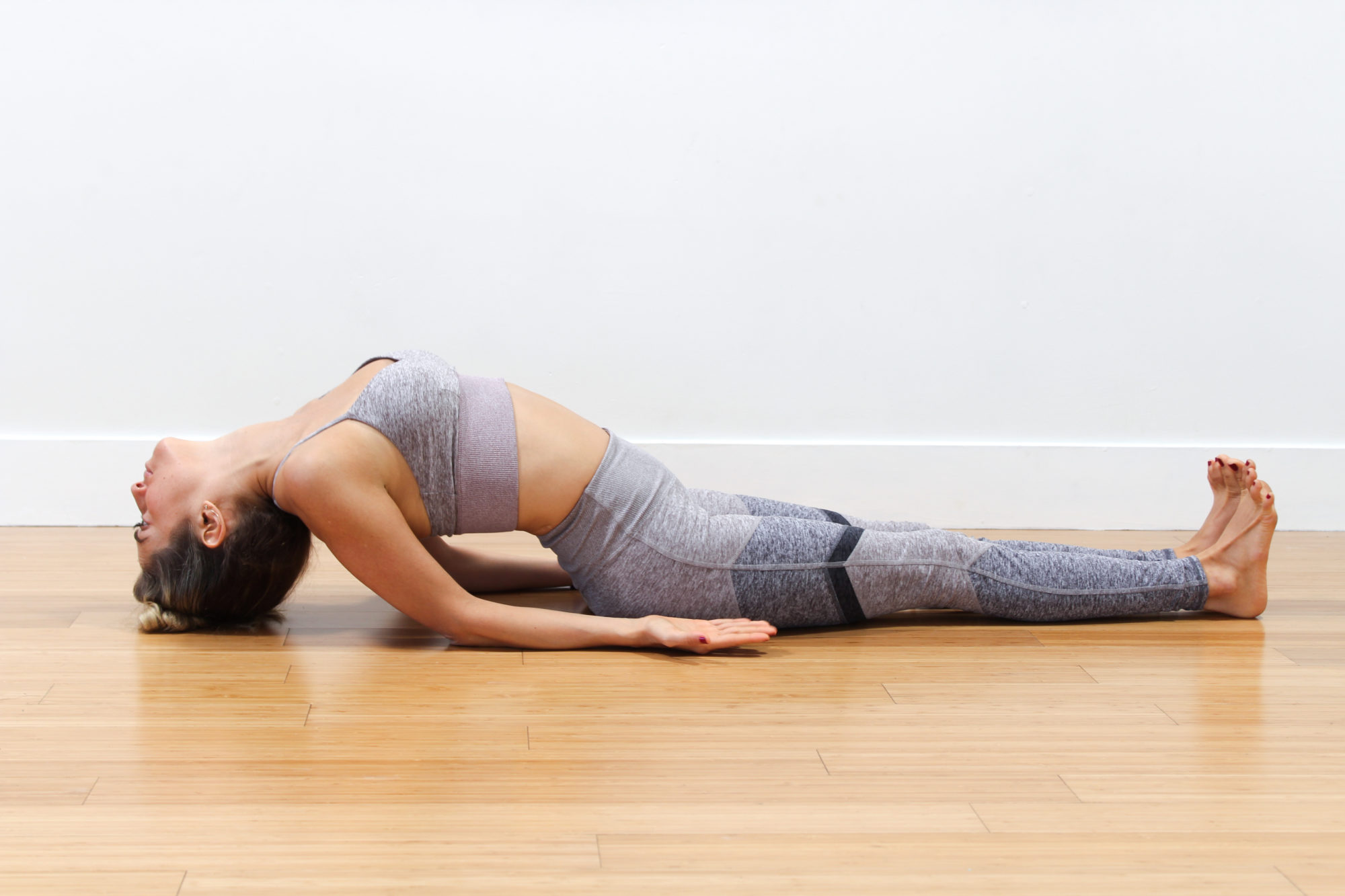
Have you ever wondered why fish pose yoga remains one of the most transformative heart-opening postures in modern yoga practice? In 2026, as more people seek relief from tech neck and chest tightness caused by endless screen time, Matsyasana (fish pose) has emerged as a therapeutic powerhouse that combines physical healing with emotional release.
Whether you’re a complete beginner curious about yoga poses or an experienced practitioner looking to deepen your understanding, this comprehensive guide will walk you through everything you need to know about fish pose yoga. You’ll discover the proper technique, incredible health benefits, common mistakes to avoid, and how this ancient Sanskrit asana can transform your practice and daily life.
Quick Answer: What is Fish Pose Yoga?
Fish pose yoga, or Matsyasana in Sanskrit, is a reclined backbend that opens the chest, throat, and heart chakra while strengthening the upper back. Here’s what you need to know:
- Sanskrit Name: Matsyasana (mat-see-AHS-anna) – “Matsya” means fish
- Pose Type: Supine backbend, chest opener, heart chakra activation
- Difficulty Level: Beginner to intermediate
- Primary Benefits: Improves posture, opens chest, stretches hip flexors, relieves respiratory issues
- Typical Hold Time: 15-30 seconds for beginners, up to 2 minutes for advanced practitioners
What is Fish Pose Yoga (Matsyasana)?
Fish pose yoga is a classical yoga asana that has been practiced for thousands of years. The name “Matsyasana” derives from the Sanskrit word “matsya,” meaning fish, and “asana,” meaning pose or posture. According to ancient yogic texts, this pose is named after Matsya, an avatar of Lord Vishnu who appeared as a fish to save humanity from a great flood.
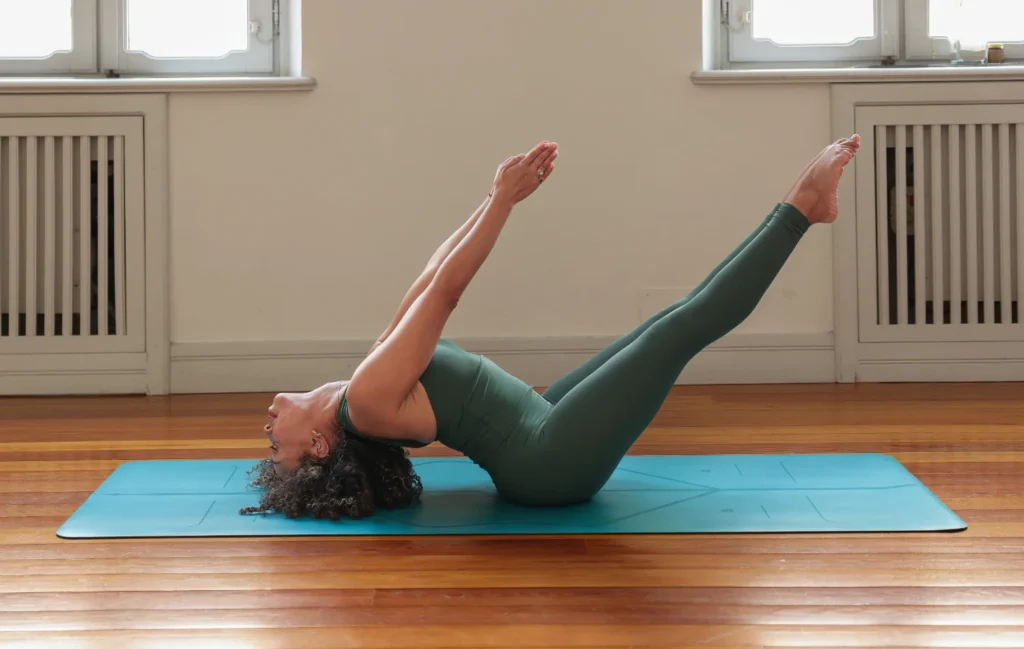
In this pose, you lie on your back with your chest lifted toward the sky, creating a beautiful arch in your spine while your head gently rests on the crown or back of the head. The position resembles a fish floating on water, hence the evocative name.
The Anatomy of Fish Pose
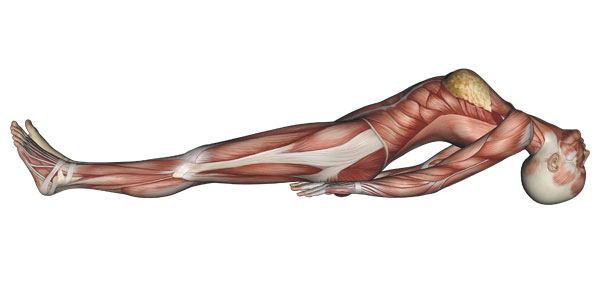
When you perform fish pose correctly, you’re engaging multiple muscle groups simultaneously. Your upper back muscles (particularly the rhomboids and trapezius) work to pull your shoulder blades together. Your chest muscles stretch deeply, particularly the pectoralis major and minor. Meanwhile, your neck extensors support your head position, and your core muscles stabilize your pelvis.
This anatomical engagement makes Matsyasana incredibly effective for counteracting the forward-hunched posture that affects millions of people who spend hours at computers or looking at smartphones.
The Amazing Health Benefits of Fish Pose Yoga
Physical Health Benefits
1. Corrects Poor Posture and Tech Neck
In 2026, poor posture has become a modern epidemic. Research from the American Chiropractic Association indicates that over 80% of adults experience posture-related neck and back pain. Fish pose yoga actively counteracts forward head posture by opening the chest and strengthening the upper back muscles that keep your shoulders aligned.
When you practice Matsyasana regularly, you’re essentially training your body to reverse the damage caused by prolonged sitting and device usage. The pose stretches the anterior chest muscles that become tight from hunching forward, while simultaneously strengthening the posterior muscles that pull your shoulders back.
2. Enhances Respiratory Function
Fish pose creates maximum expansion in your rib cage and chest cavity. According to a 2024 study published in the Journal of Yoga Therapy, practitioners who performed chest-opening poses like Matsyasana showed a 15-20% improvement in lung capacity over 12 weeks.
This makes fish pose particularly beneficial for individuals with asthma, bronchitis, or other respiratory conditions. The pose allows your lungs to fill completely, improving oxygen intake and promoting deeper, more efficient breathing patterns.
3. Stimulates Thyroid and Parathyroid Glands
The neck extension in fish pose provides gentle compression to your throat area, which stimulates the thyroid and parathyroid glands. These glands regulate metabolism, calcium balance, and overall hormonal health. While fish pose shouldn’t replace medical treatment, many practitioners report improved energy levels and metabolic function with consistent practice.
4. Relieves Tension in Shoulders and Upper Back
If you carry stress in your shoulders (and who doesn’t in 2026?), fish pose offers immediate relief. The position naturally draws your shoulder blades together and down your back, releasing chronic tension in your trapezius muscles. This makes it an excellent counterpose after long periods of computer work or after practicing forward folds in your yoga sequence.
Mental and Emotional Benefits
5. Opens the Heart Chakra (Anahata)
In yogic philosophy, fish pose is considered a powerful heart-opening asana that activates the Anahata (heart) chakra. This energy center governs love, compassion, and emotional balance. When you practice Matsyasana with mindful breathing, you may experience emotional release, reduced anxiety, and a greater sense of openness to life’s experiences.
6. Reduces Stress and Anxiety
The chest-opening nature of fish pose triggers your parasympathetic nervous system—your body’s “rest and digest” mode. A 2025 study in Frontiers in Psychology found that backbend poses significantly reduced cortisol levels (the stress hormone) in participants after just 10 minutes of practice.
7. Improves Focus and Mental Clarity
The increased blood flow to your brain when your head is tilted back can enhance mental clarity and concentration. Many practitioners report feeling more alert and focused after including fish pose in their morning yoga routine.
How to Do Fish Pose Yoga: Step-by-Step Tutorial
Traditional Matsyasana (Padmasana Variation)
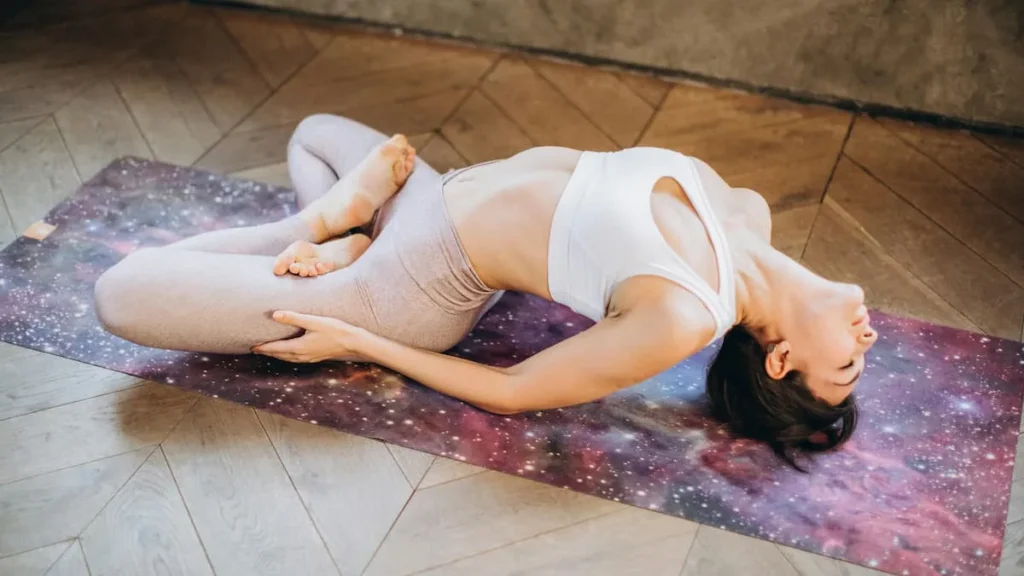
This is the classical version of fish pose performed with lotus legs, suitable for intermediate to advanced practitioners.
Step 1: Start Position
- Begin by sitting in Padmasana (lotus pose) with your right foot on your left thigh and left foot on your right thigh
- If lotus is uncomfortable, use a simple cross-legged position instead
Step 2: Recline Backward
- Using your hands for support, slowly lower yourself onto your back
- Keep your legs in the lotus position throughout
Step 3: Arch Your Back
- Press your elbows into the floor beside your body
- Lift your chest toward the ceiling, creating a deep arch in your upper back
- Slide the crown of your head toward the floor
Step 4: Hand Placement
- Once stable, reach your arms overhead and hold onto your opposite elbows
- Alternatively, place your hands on your thighs or hold your feet
Step 5: Hold and Breathe
- Maintain the pose for 15-30 seconds initially
- Breathe deeply, expanding your chest with each inhale
- Focus on relaxing your throat and jaw
Step 6: Release Safely
- Use your elbows to lift your head off the floor
- Carefully roll to one side before sitting up
- Never lift your head straight up, as this strains the neck
Beginner-Friendly Fish Pose (Legs Extended)
This modified version is perfect for beginners or those with hip tightness.
Step 1: Lie Down
- Lie flat on your back with your legs extended and feet together
- Place your hands, palms down, underneath your buttocks
Step 2: Engage Your Elbows
- Press your elbows and forearms firmly into the floor
- Draw your shoulder blades together on your back
Step 3: Lift Your Chest
- On an inhale, press into your forearms and lift your chest toward the sky
- Keep most of your weight on your elbows, not your head
Step 4: Position Your Head
- Gently tilt your head back, allowing the crown or back of your head to lightly touch the floor
- Your neck should feel lengthened, not compressed
Step 5: Breathe and Hold
- Stay for 5-10 deep breaths
- Focus on expanding your chest with each inhale
Step 6: Exit the Pose
- Press firmly into your elbows to lift your chest higher
- Tuck your chin and gently lower your head and torso to the floor
Common Mistakes and How to Avoid Them
Mistake #1: Putting Too Much Weight on Your Head
The Problem: Many beginners transfer excessive weight onto the crown of their head, which can strain the neck vertebrae and cause discomfort.
The Solution: Remember that fish pose is primarily supported by your arms and upper back. Your head should barely graze the floor. Think of it as a “kiss” rather than a “press.” Keep 80% of your weight on your elbows and forearms.
Mistake #2: Holding Your Breath
The Problem: The chest-opening position can make breathing feel restricted, leading practitioners to unconsciously hold their breath.
The Solution: Make conscious breathing your priority. Take slow, deep breaths through your nose, expanding your rib cage fully with each inhale. If you can’t breathe comfortably, your backbend is too deep—ease off slightly.
Mistake #3: Forcing the Backbend
The Problem: Pushing too hard into a deep backbend before your body is ready can cause lower back pain or muscle strain.
The Solution: Build flexibility gradually. Start with a gentler arch and increase depth over time. Always listen to your body’s signals. A mild stretch is therapeutic; sharp pain is a warning sign.
Mistake #4: Neglecting Shoulder Blade Engagement
The Problem: Allowing your shoulder blades to splay apart reduces the therapeutic benefits and can cause shoulder discomfort.
The Solution: Actively draw your shoulder blades together and down your back throughout the pose. Imagine you’re trying to hold a pencil between your shoulder blades.
Modifications and Variations for Every Level
For Beginners: Supported Fish Pose
Place a yoga block or bolster horizontally under your shoulder blades. This support allows you to experience the chest-opening benefits without the challenge of maintaining the backbend through muscular engagement. You can also keep your knees bent with feet flat on the floor for added stability.
For Tight Hips: Extended Leg Variation
Skip the lotus position entirely and keep your legs extended straight. This variation is equally beneficial for your chest and shoulders while being accessible to practitioners with hip limitations.
For Advanced Practitioners: Bound Fish Pose
From traditional fish pose with lotus legs, reach your arms behind your back and clasp your hands together. This intensifies the shoulder opener and requires greater balance and core stability.
For Therapeutic Practice: Reclined Fish Pose
Lie over a rolled blanket positioned perpendicular to your spine, right under your shoulder blades. Allow your arms to extend out to the sides. This gentle version is perfect for restorative yoga sessions and provides passive chest opening with minimal effort.
Fish Pose in Your Yoga Sequence: When and Where
Fish pose works beautifully as a counterpose to forward bends and shoulder stand (Sarvangasana). In traditional Hatha yoga sequences, Matsyasana typically follows shoulder stand because it provides the perfect opposite stretch to the neck and upper spine.
Ideal Placement in Your Practice:
- After Forward Folds: Use fish pose to reverse the spinal flexion after seated forward bend (Paschimottanasana) or plow pose
- Before Final Relaxation: Include it near the end of your practice to open your heart before Savasana
- Morning Routine: Practice fish pose in the morning to counteract sleep posture and energize for the day
- Post-Work Stretch: Perfect for releasing tension accumulated from sitting at a desk
Complementary Poses to Pair With Fish Pose:
- Bridge Pose (Setu Bandhasana): Prepares your spine for backbending
- Cobra Pose (Bhujangasana): Warms up your back muscles
- Child’s Pose (Balasana): Provides a gentle counter-stretch afterward
- Legs Up the Wall (Viparita Karani): Calms your nervous system after the energizing backbend
Safety Precautions and Contraindications
While fish pose offers numerous benefits, certain individuals should modify or avoid this pose:
Avoid Fish Pose If You Have:
- Recent or chronic neck injuries
- High blood pressure (the head-down position can increase blood pressure temporarily)
- Migraine headaches
- Serious lower back problems or herniated discs
- Recent abdominal surgery
Practice With Caution If You Have:
- Knee or hip injuries (avoid lotus variation)
- Sensitive lower back (use supported variation)
- Shoulder issues (limit the range of motion)
Always consult with a qualified yoga instructor or healthcare provider if you’re unsure whether fish pose is appropriate for your condition. Listen to your body and never push through sharp pain.
Frequently Asked Questions About Fish Pose Yoga
Q: How long should I hold fish pose yoga?
A: Beginners should start with 15-30 seconds and gradually work up to 1-2 minutes as their strength and flexibility improve. Listen to your body—if you feel strain in your neck or discomfort, come out of the pose sooner.
Q: Can fish pose help with anxiety and depression?
A: Yes, research suggests that heart-opening poses like fish pose can reduce anxiety symptoms by activating the parasympathetic nervous system. The chest expansion also encourages deeper breathing, which naturally calms the mind. However, it should complement, not replace, professional mental health treatment.
Q: Is fish pose safe during pregnancy?
A: During the first trimester, gentle fish pose may be acceptable, but it’s generally not recommended during the second and third trimesters due to the supine (lying on back) position. Always consult your doctor and a prenatal yoga instructor before practicing.
Q: What’s the difference between fish pose and supported fish pose?
A: Supported fish pose uses props like blocks or bolsters under your back to maintain the backbend passively, making it more restorative and accessible. Traditional fish pose requires active muscular engagement to maintain the arch, making it more challenging and strength-building.
Q: Why does my lower back hurt in fish pose?
A: Lower back pain often indicates you’re over-arching your lumbar spine. Focus on lifting through your chest while keeping your lower ribs engaged. Using a supported variation or reducing the depth of your backbend can also help. Strengthening your core muscles outside of yoga will improve your spinal support.
Q: Can I do fish pose if I can’t do lotus pose?
A: Absolutely! The extended-leg variation or simple cross-legged version provides the same chest-opening benefits. Lotus legs are traditional but not essential for experiencing the therapeutic effects of Matsyasana.
Q: How is fish pose different from wheel pose?
A: Both are backbends, but wheel pose (Urdhva Dhanurasana) is a much deeper, full-body backbend performed with hands and feet on the ground. Fish pose is a gentler, more accessible backbend focused primarily on the upper back and chest, making it suitable for more practitioners.
Q: Should my head touch the floor in fish pose?
A: Your head should touch the floor lightly—just the crown or back of the head gently resting. The majority of your weight should be supported by your forearms and elbows, not your head or neck.
Q: Can fish pose improve my singing or public speaking?
A: Many voice coaches recommend fish pose because it opens the throat and chest, potentially improving vocal projection and breath control. Singers and speakers often use this pose to release tension in the throat and shoulders before performances.
Q: What chakra does fish pose activate?
A: Fish pose primarily activates the Anahata (heart) chakra and Vishuddha (throat) chakra. The heart-opening position promotes emotional openness and compassion, while the neck extension stimulates expression and communication.
Conclusion: Transform Your Practice With Fish Pose Yoga
Fish pose yoga (Matsyasana) stands as one of the most therapeutically valuable postures in your yoga toolkit. In our screen-dominated 2026 lifestyle, this ancient Sanskrit asana offers a powerful antidote to poor posture, shallow breathing, and chronic stress. Whether you’re seeking physical relief from tech neck, emotional release through heart-opening, or simply a deeper connection to your yoga practice, fish pose delivers on all fronts.
Key Takeaways:
- Fish pose counteracts forward-hunched posture and opens the chest
- Regular practice improves breathing, reduces anxiety, and enhances posture
- Proper technique emphasizes arm support over head weight
- Multiple variations make this pose accessible to all levels
- Best practiced as a counterpose to forward bends or near the end of your sequence
Start incorporating fish pose into your daily routine—even just 30 seconds can make a noticeable difference in how you feel. Remember to approach the pose with patience, prioritize proper alignment over depth, and always honor your body’s current limitations.
Ready to explore more heart-opening poses? Check out our guides on The Complete Guide in Yoga to continue expanding your practice.
What transformation will you experience when you make fish pose a regular part of your yoga journey?