


Why Is Kundalini Yoga Dangerous? Understanding the Risks and Practicing Safely in 2026
Have you ever wondered why some yoga practitioners warn against Kundalini Yoga while others swear by its transformative power? This ancient practice, often called the “yoga of awareness,” has gained both devoted followers and vocal critics. In 2026, as more people seek spiritual awakening and mind-body wellness, understanding the potential dangers of Kundalini Yoga has never been more important.
- Quick Answer: Is Kundalini Yoga Dangerous?
- Table of Contents
- What Is Kundalini Yoga and Why Is It Different?
- The Real Dangers of Kundalini Yoga
- Understanding Kundalini Syndrome
- Who Should Avoid Kundalini Yoga?
- Kundalini Yoga Side Effects: Physical Risks to Know
- Psychological Effects of Kundalini Yoga: Emotional Dangers
- How to Practice Kundalini Yoga Safely
- Frequently Asked Questions About Kundalini Yoga Dangers
- Kundalini Yoga Benefits vs. Risks — Is It Worth It?
- Conclusion: Respecting the Power of Kundalini Yoga
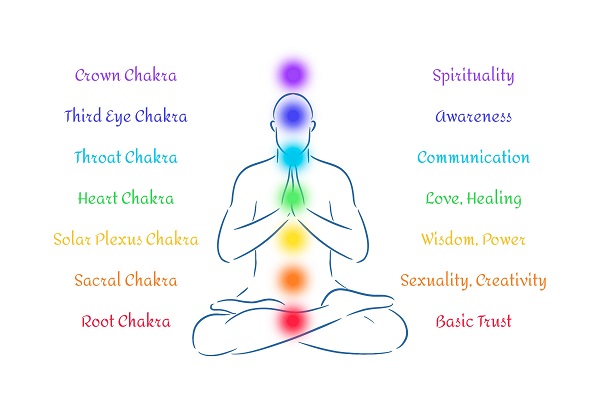
Kundalini Yoga isn’t your typical gentle stretching class. It’s an intense spiritual practice that aims to awaken dormant energy at the base of your spine, sending it upward through your chakras. While many experience profound benefits, others report disturbing physical, psychological, and emotional effects. This comprehensive guide will help you understand why Kundalini Yoga can be dangerous, who should avoid it, and how to practice it safely if you choose to explore this powerful discipline.
Quick Answer: Is Kundalini Yoga Dangerous?
Kundalini Yoga can be dangerous when practiced incorrectly or without proper guidance. Here’s what you need to know:
- Psychological risks: Intense emotional releases, anxiety, depression, or psychotic episodes in vulnerable individuals
- Physical dangers: Overheating, exhaustion, headaches, and nerve overstimulation
- Spiritual crisis: Premature awakening can lead to “Kundalini syndrome” with overwhelming sensations
- Not for everyone: Those with mental health conditions, trauma history, or cardiovascular issues should avoid it
- Safe practice requires: Experienced teacher, gradual progression, and mental/emotional stability
Table of Contents
- What Is Kundalini Yoga and Why Is It Different?
- The Real Dangers of Kundalini Yoga
- Understanding Kundalini Syndrome
- Who Should Avoid Kundalini Yoga?
- Kundalini Yoga Side Effects: Physical Risks to Know
- Psychological Effects of Kundalini Yoga: Emotional Dangers
- How to Practice Kundalini Yoga Safely
- Frequently Asked Questions About Kundalini Yoga Dangers
- Conclusion
What Is Kundalini Yoga and Why Is It Different?
Kundalini Yoga stands apart from other yoga styles due to its intense focus on awakening primal energy stored at the base of the spine. The word “Kundalini” comes from the Sanskrit term meaning “coiled snake,” representing dormant spiritual energy.

Unlike Hatha or Vinyasa yoga, which primarily focus on physical postures and breath, Kundalini Yoga combines:
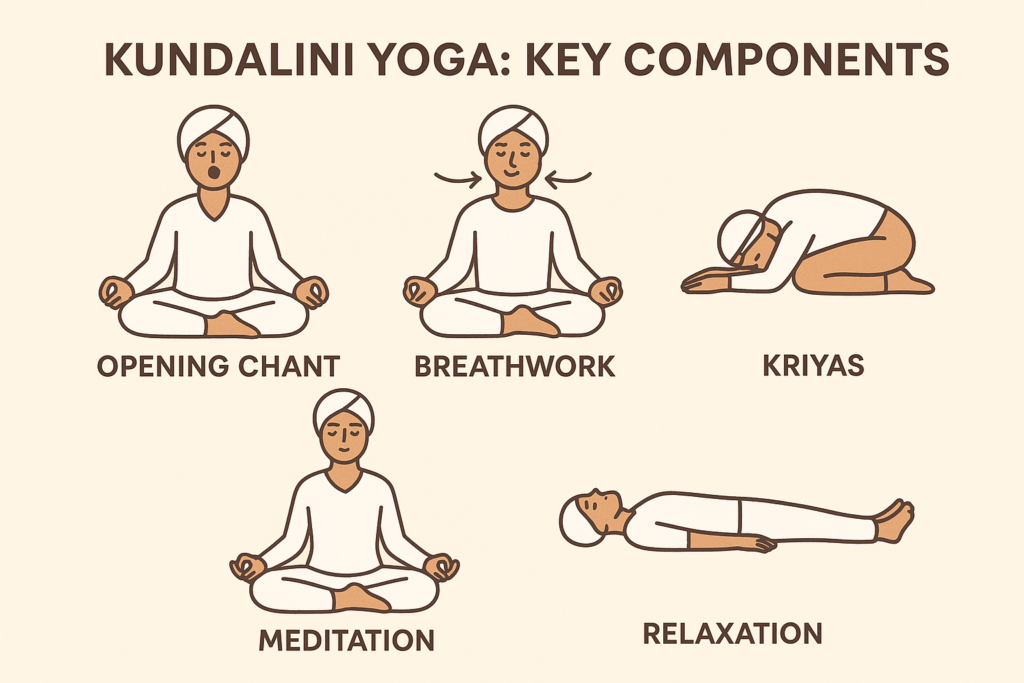
- Kriyas: Specific sequences of postures, breath, and sound
- Pranayama: Advanced breathing techniques like Breath of Fire
- Mantras: Repetitive chanting to alter consciousness
- Meditation: Intense focus practices, often with specific hand positions (mudras)
- Bandhas: Energy locks that direct energy flow through the body
According to research published by the National Center for Complementary and Integrative Health, Kundalini Yoga activates the nervous system more intensely than other yoga forms, which explains both its powerful benefits and potential risks.


The Science Behind Kundalini Energy
Modern neuroscience research from 2025 suggests that Kundalini experiences may relate to significant changes in brain chemistry and nervous system function. A study from Stanford University found that intense breathwork and meditation can trigger releases of neurotransmitters including dopamine, serotonin, and endorphins—sometimes in overwhelming amounts for unprepared practitioners.
The Real Dangers of Kundalini Yoga
While many practice Kundalini Yoga safely, the dangers are real and well-documented. Understanding these risks is crucial before you begin this intense spiritual practice.
1. Premature Kundalini Awakening
When Kundalini energy rises too quickly or before you’re physically and mentally prepared, it can cause what practitioners call a “spiritual emergency.” Symptoms include:
- Uncontrollable body movements or tremors
- Extreme heat sensations throughout the body
- Intense emotional volatility
- Feeling disconnected from reality
- Overwhelming fear or anxiety
Dr. Stanislav Grof, a psychiatrist who studied spiritual emergencies for over 40 years, notes that premature Kundalini awakening resembles psychotic episodes but requires different treatment approaches than traditional psychiatric interventions.

2. Nervous System Overload
The intense breathing techniques, particularly Breath of Fire (rapid diaphragmatic breathing), can overstimulate your sympathetic nervous system. This can lead to:
- Hyperventilation and dizziness
- Heart palpitations
- Panic attacks
- Insomnia and sleep disruption
- Chronic anxiety
A 2024 study in the Journal of Alternative Medicine found that 23% of Kundalini Yoga practitioners reported nervous system-related side effects during their first year of practice.
3. Emotional Trauma Surfacing
Kundalini Yoga is designed to release blocked energy, which often means surfacing suppressed emotions and traumatic memories. Without proper support, this can be psychologically devastating.
Understanding Kundalini Syndrome
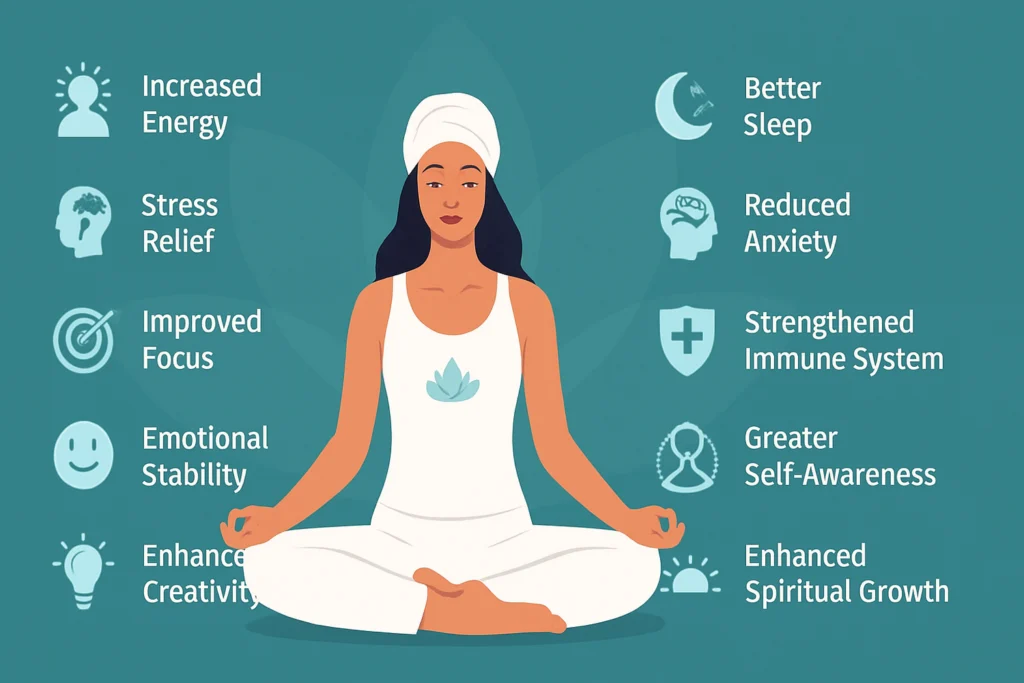
Kundalini Syndrome is a term used to describe the collection of physical, psychological, and spiritual symptoms that occur when Kundalini energy awakens inappropriately or moves through a system that isn’t ready for it.
Common Symptoms Include:
Physical Symptoms:
- Intense heat or cold sensations
- Involuntary body movements (kriyas)
- Changes in breathing patterns
- Sensitivity to light, sound, and touch
- Chronic fatigue or insomnia
- Unexplained pain, especially along the spine
Psychological Symptoms:
- Mood swings and emotional instability
- Anxiety or depression
- Disassociation or depersonalization
- Confusion or difficulty concentrating
- Visual or auditory hallucinations
Spiritual Symptoms:
- Feeling overwhelmed by spiritual experiences
- Loss of sense of self
- Feeling “too open” energetically
- Difficulty grounding or staying present
According to the Kundalini Research Network, established in 1990 to study these phenomena, approximately 10-15% of regular Kundalini practitioners experience some form of Kundalini Syndrome, though severity varies widely.
Why Does This Happen?
The human energy system needs preparation to handle increased energy flow. Think of it like upgrading electrical wiring in an old house—if you don’t upgrade the infrastructure, increased power can overload the system. Your nervous system, energy channels (nadis), and psychological structures need gradual strengthening before intense Kundalini practices.
Who Should Avoid Kundalini Yoga?
Certain individuals face higher risks when practicing Kundalini Yoga. You should avoid this practice or consult with medical and mental health professionals first if you have:
Mental Health Conditions
- Schizophrenia or psychotic disorders: Kundalini practices can trigger or worsen psychotic episodes
- Bipolar disorder: The intense energy work can trigger manic episodes
- Severe anxiety or panic disorders: Breathwork may intensify symptoms
- PTSD or unresolved trauma: Can trigger traumatic memories without proper support
- Dissociative disorders: May worsen dissociative symptoms
Physical Health Concerns
- Cardiovascular conditions: Heart disease, high blood pressure, or arrhythmias
- Epilepsy: Rapid breathing and energy work may trigger seizures
- Pregnancy: Some practices are contraindicated during pregnancy
- Recent surgery: Especially abdominal or spinal procedures
Other Risk Factors
- Recent major life transitions or losses
- Active substance abuse issues
- Lack of social support system
- History of spiritual emergency
Dr. Willoughby Britton, a neuroscientist at Brown University studying meditation-related adverse effects, emphasizes that “not all practices are appropriate for all people at all times.” Her research shows that intense practices like Kundalini Yoga require careful individual assessment.
Kundalini Yoga Side Effects: Physical Risks to Know
Beyond the spiritual and psychological concerns, Kundalini Yoga poses several physical risks that practitioners should understand.
Immediate Physical Risks
Breath of Fire Complications: This signature Kundalini breathing technique involves rapid, forceful breathing that can cause:
- Hyperventilation leading to decreased carbon dioxide levels
- Lightheadedness and fainting
- Tingling in extremities
- Carpopedal spasms (hand and foot cramping)
Overheating and Dehydration: The intense practice generates significant internal heat. Without proper hydration and cooling periods, practitioners may experience:
- Heat exhaustion
- Electrolyte imbalances
- Nausea and vomiting
Long-Term Physical Concerns
Chronic Fatigue: Some practitioners report persistent exhaustion after beginning Kundalini practice, particularly if practicing too intensely or frequently. The body requires time to integrate and process the energetic changes.
Sleep Disturbances: According to a 2025 survey of 500 Kundalini practitioners published in the International Journal of Yoga, 31% reported sleep disruption during their first six months of practice, including insomnia, vivid dreams, and night sweats.
Postural Issues: Some Kundalini kriyas involve unusual or extreme postures held for extended periods, which can lead to:
- Muscle strain
- Joint stress
- Spinal misalignment if done incorrectly
Psychological Effects of Kundalini Yoga: Emotional Dangers
The psychological risks of Kundalini Yoga are perhaps the most concerning and least understood by casual practitioners.
Ego Dissolution and Identity Crisis
Kundalini Yoga aims to transcend the ego and dissolve the sense of separate self. While this is the spiritual goal, it can be terrifying if it happens too quickly or without proper context. Practitioners may experience:
- Not recognizing themselves in the mirror
- Feeling like they’re “going crazy”
- Loss of motivation or life direction
- Difficulty functioning in daily life
The Dark Night of the Soul
Many spiritual traditions recognize a phase of deep spiritual crisis that can occur during intensive practice. In Kundalini Yoga, this can manifest as:
- Profound depression and hopelessness
- Existential anxiety
- Loss of meaning and purpose
- Suicidal ideation in extreme cases
A 2024 study by the Mind & Life Institute found that 14% of meditation retreat participants experienced significant psychological distress, with rates higher among those practicing intense techniques like Kundalini.
Spiritual Bypass
Ironically, one danger of Kundalini Yoga is using spiritual practice to avoid dealing with psychological issues. This “spiritual bypassing” can:
- Prevent necessary psychological healing
- Create spiritual arrogance or inflation
- Worsen underlying mental health conditions
- Lead to disconnection from emotions and relationships

How to Practice Kundalini Yoga Safely
If you’re determined to explore Kundalini Yoga despite the risks, following these safety guidelines is essential:
1. Find a Qualified, Experienced Teacher
What to look for:
- Minimum 500-hour Kundalini teacher training certification
- Personal practice of at least 5-10 years
- Understanding of contraindications and modifications
- Willingness to discuss risks openly
- Access to mental health resources for students
Red flags:
- Promises of quick spiritual awakening
- Dismissal of safety concerns
- Cult-like atmosphere or pressure
- Sexual misconduct or boundary violations
- Isolation from family and friends
2. Start Slowly and Gradually
Don’t jump into advanced practices. Begin with:
- Basic yoga postures and gentle stretching
- Simple breathing exercises (not Breath of Fire initially)
- Short meditation periods (5-10 minutes)
- Building physical strength and flexibility
Progress gradually over months or years, not weeks. Your nervous system needs time to adapt.
3. Maintain Psychological Support
- Continue therapy if you’re working with a therapist
- Build a support network of balanced practitioners
- Keep connections with non-yoga friends and family
- Journal to process experiences
- Take breaks when needed
4. Practice Grounding Techniques
Balance intense upward energy movement with grounding practices:
- Walking barefoot on earth
- Eating root vegetables and protein
- Physical exercise
- Time in nature
- Limiting practice sessions to 30-45 minutes
5. Monitor Your Mental and Physical Health
Keep track of:
- Sleep quality and quantity
- Emotional stability
- Physical symptoms
- Ability to function in daily life
- Relationship quality
If you notice deterioration in any area, reduce or stop practice and consult professionals.
6. Avoid These Common Mistakes
- Practicing alone without guidance, especially initially
- Mixing Kundalini with drugs or alcohol
- Practicing when physically ill or emotionally unstable
- Comparing your progress to others
- Forcing experiences or trying to “achieve” awakening
- Neglecting basic needs (sleep, nutrition, social connection)
Frequently Asked Questions About Kundalini Yoga Dangers
Q: Can Kundalini Yoga cause permanent damage?
A: While rare, some individuals have reported long-lasting psychological effects from intense or inappropriate Kundalini practice. Most effects are temporary and resolve with proper support, cessation of practice, and sometimes professional help. However, those with pre-existing mental health vulnerabilities face higher risks of lasting impact.
Q: How do you know if you’re experiencing Kundalini awakening?
A: Genuine Kundalini awakening typically includes physical sensations of energy moving up the spine, spontaneous body movements, intense heat, altered states of consciousness, and profound spiritual insights. However, these symptoms overlap with other conditions, so it’s important to work with experienced teachers and healthcare providers to properly assess what you’re experiencing.
Q: Is Kundalini Yoga dangerous for beginners?
A: Kundalini Yoga carries risks for all practitioners but can be especially dangerous for beginners who jump into advanced practices without proper preparation. Beginners should start with gentler yoga styles first, build physical and mental strength, and only progress to Kundalini under qualified guidance after developing a solid foundation.
Q: What’s the difference between Kundalini Yoga and other types of yoga?
A: Kundalini Yoga is specifically designed to awaken spiritual energy and alter consciousness through intense breathwork, mantras, and meditation—making it more intense and potentially risky than primarily physical yoga styles like Hatha or Vinyasa. Other yoga forms focus more on physical postures, flexibility, and general wellness rather than spiritual awakening.
Q: Can Kundalini Yoga trigger psychosis?
A: In individuals with predisposition to psychotic disorders or existing mental health vulnerabilities, intense Kundalini practices can potentially trigger psychotic episodes. Research by psychiatrists studying spiritual emergencies has documented cases where Kundalini experiences manifested with psychotic symptoms, though distinguishing between spiritual crisis and mental illness requires expert assessment.
Q: How long does Kundalini syndrome last?
A: Kundalini syndrome duration varies widely—from days to months or even years in severe cases. Mild symptoms often resolve within weeks with rest and grounding practices. More intense cases may require months of professional support, reduced practice, and integration work. Early intervention and appropriate support significantly improve outcomes.
Q: Are online Kundalini Yoga classes safe?
A: Online Kundalini classes carry additional risks because teachers cannot observe students’ responses, provide immediate modifications, or intervene if someone experiences distress. As of 2026, many yoga organizations recommend in-person instruction for Kundalini, especially for beginners, with online classes reserved for experienced practitioners with established teacher relationships.
Q: What should I do if I experience negative effects from Kundalini Yoga?
A: Immediately stop the practice and ground yourself through physical activity, spending time in nature, eating substantial meals, and reconnecting with supportive friends or family. Consult with your teacher, a therapist familiar with spiritual emergencies, and your healthcare provider. Organizations like the Kundalini Research Network and Spiritual Emergency Network offer resources and referrals.
Q: Is Kundalini Yoga dangerous during pregnancy?
A: Many Kundalini practices are contraindicated during pregnancy, particularly breath retention, intense breathwork like Breath of Fire, and practices that engage abdominal locks. Pregnant women should only practice gentle, pregnancy-modified Kundalini yoga under a teacher specifically trained in prenatal instruction, and always with their healthcare provider’s approval.
Q: Can Kundalini Yoga be practiced safely without a teacher?
A: No. Kundalini Yoga should not be practiced without qualified guidance, especially for beginners. The risks of unsupervised practice are too high. Self-guided practice using books or videos cannot provide the individualized instruction, safety monitoring, and crisis support that an experienced teacher offers. Even advanced practitioners benefit from ongoing teacher relationships.
Kundalini Yoga Benefits vs. Risks — Is It Worth It?
| Potential Benefits | Real Risks |
|---|---|
| Increased self-awareness | Kundalini Syndrome |
| Stress reduction | Psychological crisis |
| Emotional release | Nervous system overload |
| Spiritual growth | Trauma surfacing |
| Community connection | Physical exhaustion |
For psychologically stable individuals with a qualified teacher, the benefits can be meaningful. But the risks are real — this is not a practice to approach casually.
Conclusion: Respecting the Power of Kundalini Yoga
Kundalini Yoga is dangerous—but that doesn’t mean it’s inherently bad or should be avoided by everyone. Like any powerful tool, it requires respect, proper training, and appropriate circumstances.
Key takeaways for 2026:
- Kundalini Yoga is not for everyone: Those with mental health vulnerabilities, trauma histories, or certain physical conditions face elevated risks
- The dangers are real and documented: From Kundalini syndrome to psychological crises, the risks go beyond mild discomfort
- Proper guidance is non-negotiable: Working with experienced, ethical teachers dramatically reduces risk
- Slow and steady wins: Gradual progression allows your system to adapt safely
- Integration matters: Balancing intense practice with grounding, support, and normal life activities is essential
If you’re considering Kundalini Yoga, approach it with caution, humility, and realistic expectations. Build a strong foundation first through gentler yoga styles, establish mental and emotional stability, and work with qualified teachers who prioritize safety over flashy experiences.
Remember: the goal isn’t to force a dramatic awakening but to support your natural spiritual development in a safe, sustainable way. Your wellbeing—physical, psychological, and spiritual—must always come first.
For more information on safe yoga practices, explore our guides on breathing exercises for beginners . If you’ve experienced difficulties with Kundalini practice, you’re not alone—seek support from qualified professionals who understand both yoga and mental health.
Ready to explore yoga more safely? Start with foundational practices that build strength and awareness without the intense risks of Kundalini Yoga. Your spiritual journey is a marathon, not a sprint.