


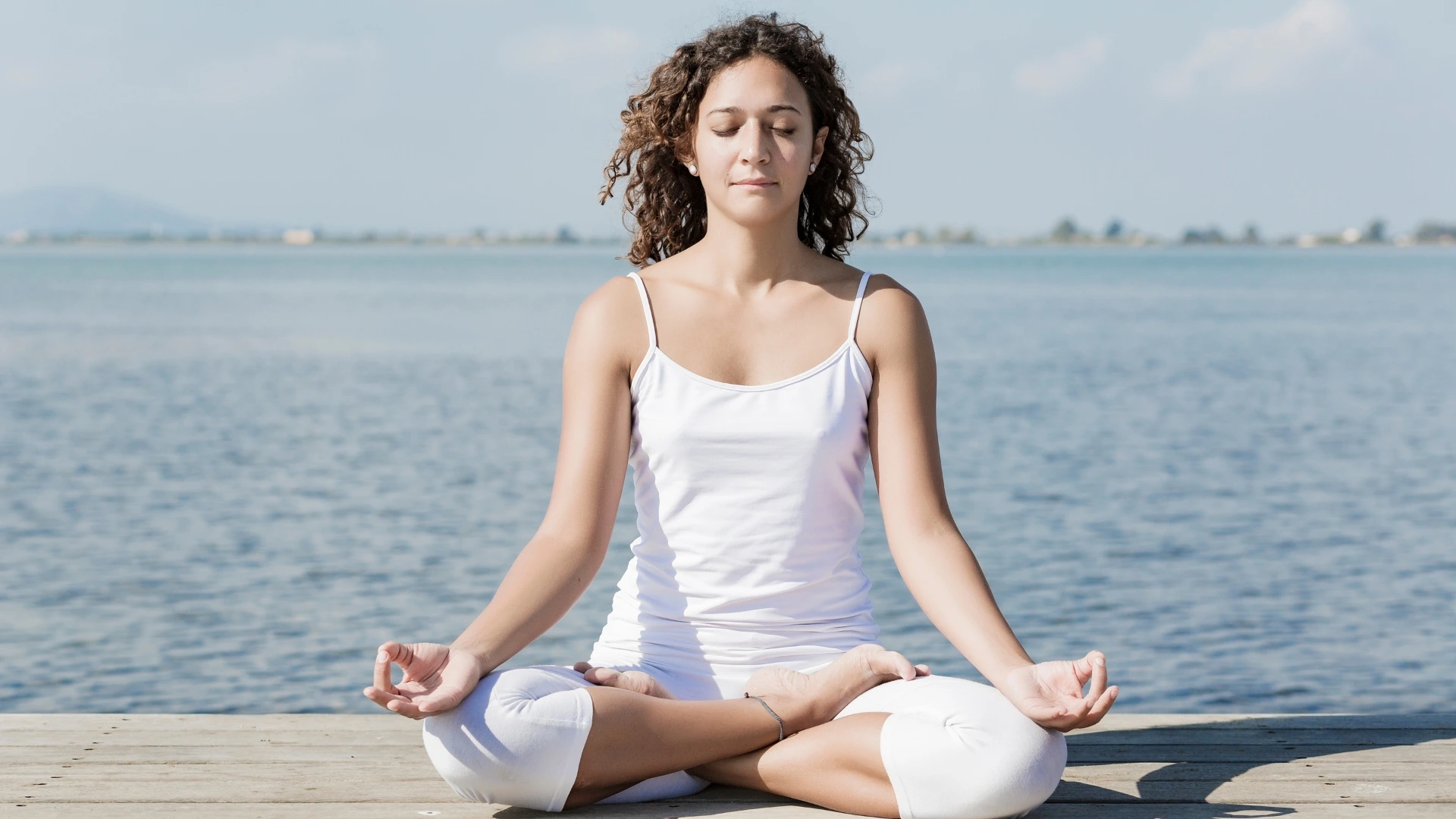


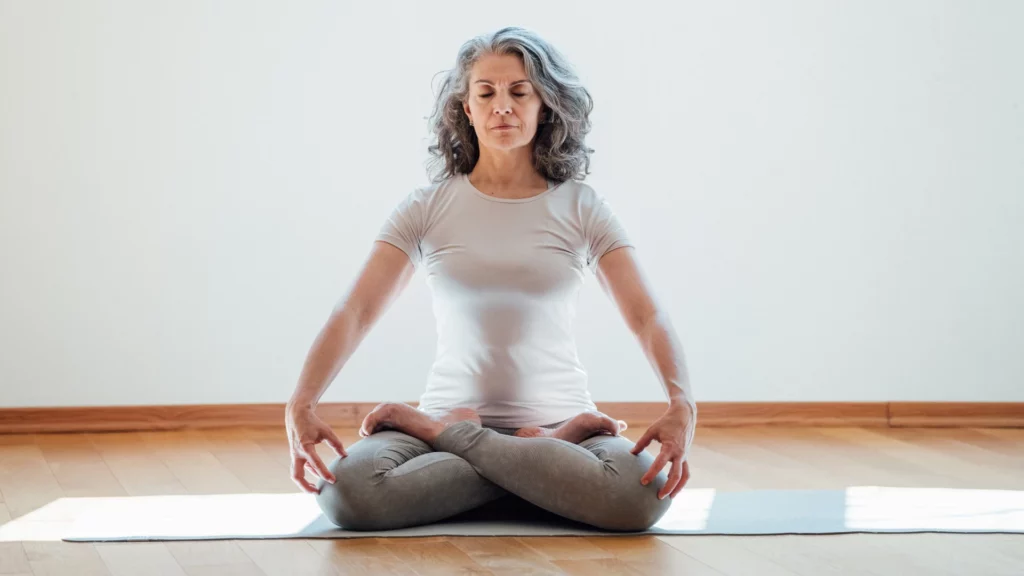
Padmasana, also known as the Lotus Pose, is one of the most iconic seated postures in yoga. Traditionally used for meditation and breath awareness, Padmasana represents stability, stillness, and inner focus.
- What Is Padmasana (Lotus Pose)?
- Who Should Practice Padmasana?
- How to Sit in Padmasana (Lotus Pose) — Step by Step
- Common Mistakes to Avoid
- Is Padmasana Hard for Beginners?
- General (Non-Medical) Benefits of Padmasana
- Padmasana vs Half Lotus (Ardha Padmasana)
- How Long Should You Hold Padmasana?
- Do You Need to Warm Up? (Yes!)
- Precautions (Very Important)
- Frequently Asked Questions
- Final Thoughts
In this beginner-friendly 2026 guide, we’ll explore what Padmasana is, how to practice it safely, and why it is considered an important posture in classical yoga.
What Is Padmasana (Lotus Pose)?
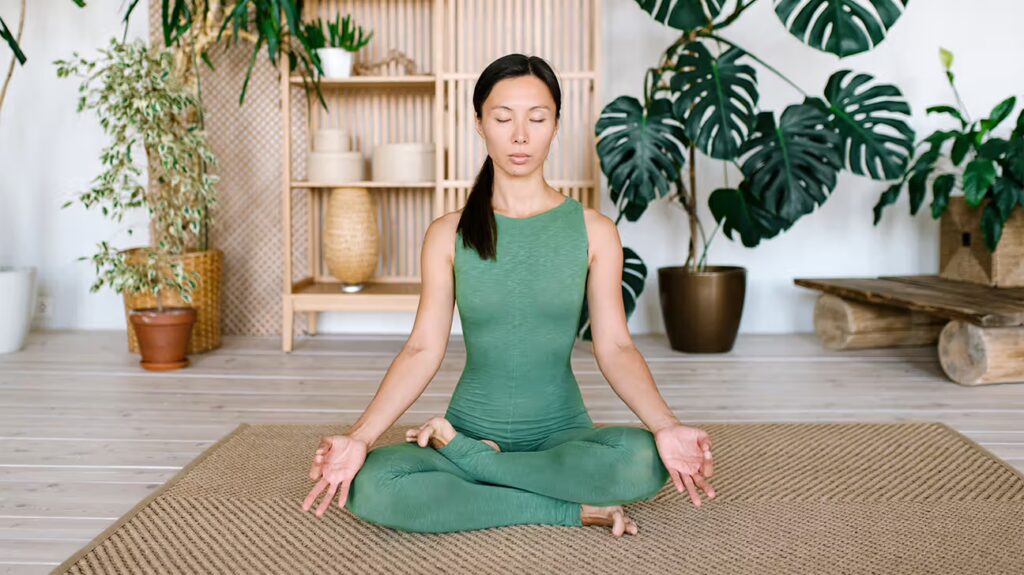
Padmasana comes from two Sanskrit words:
- Padma = lotus
- Asana = posture or seat
Just like a lotus flower that remains steady on water, the posture encourages a sense of calm, balance, and centered awareness during seated practices.
Who Should Practice Padmasana?
Padmasana is ideal for people who want to:
- sit longer during meditation
- practice breathing exercises (pranayama)
- experience grounded spine alignment
- explore classical Hatha Yoga sitting postures
Beginners should approach it slowly because hip mobility varies from person to person.
How to Sit in Padmasana (Lotus Pose) — Step by Step
Here is a simple method to practice Lotus Pose safely:
- Sit comfortably on the floor or a yoga mat.
- Keep the spine tall and shoulders relaxed.
- Extend your legs forward.
- Bend the right knee and place the right foot on the left thigh.
- Bend the left knee and place the left foot on the right thigh.
- Rest hands on knees with palms facing up.
- Maintain slow, natural breathing.
📝 Beginner Tip:
If Padmasana is too intense, start with Ardha Padmasana (Half Lotus) or Sukhasana (Easy Pose).
Both are great stepping stones toward Lotus Pose without strain.
Common Mistakes to Avoid
❌ Pulling legs forcefully into place
❌ Rounding the spine
❌ Holding the breath
❌ Practicing on a hard surface
❌ Forcing the knees without hip opening
Always prioritize comfort over perfection.
Is Padmasana Hard for Beginners?
For many beginners, Padmasana can feel challenging because:
- modern lifestyle reduces hip mobility
- sitting on chairs shortens hip muscles
- knee joints may feel sensitive
It’s completely normal — flexibility improves with time through consistent, safe practice.
General (Non-Medical) Benefits of Padmasana
Padmasana may provide several general wellness benefits, such as:
- supports upright spine alignment
- encourages calm breathing
- helps steady the mind during meditation
- promotes patience & focus
- creates pelvic stability
Note: These are general yoga awareness points — not medical treatment or cure statements.
Padmasana vs Half Lotus (Ardha Padmasana)
| Pose | Leg Placement | Difficulty | Good For |
|---|---|---|---|
| Padmasana | Both feet on opposite thighs | Higher | Experienced practitioners |
| Ardha Padmasana | One foot on thigh | Moderate | Beginners building flexibility |
Beginners can stay in Half Lotus for months before moving to full Padmasana — and that’s completely fine.
How Long Should You Hold Padmasana?
Beginners can start with:
⏱ 20–30 seconds,
then slowly build to 2–5 minutes over time.
Advanced practitioners may sit longer during meditation or pranayama.
Do You Need to Warm Up? (Yes!)
Hip-opening warmups are very helpful for Padmasana, such as:
- Butterfly pose (Baddha Konasana)
- Seated Forward Fold (Paschimottanasana)
- Pigeon Pose (Eka Pada Rajakapotasana)
- Half Lotus (Ardha Padmasana)
Warmups improve hip range of motion naturally.
Precautions (Very Important)
- Do not force the legs into position.
- Stop if you feel sharp knee pain.
- Move slowly with awareness.
- Use props or cushions if hips are tight.
This guide is for awareness only — not medical instruction.
Once you publish guides like these, link them here:
For historical context of yoga postures, you may explore:
➡️ Hatha Yoga — Britannica
Frequently Asked Questions
Q1: What is Padmasana in English?
Padmasana is called the Lotus Pose in English.
Q2: Is Lotus Pose safe for beginners?
Beginners should approach slowly, use cushions, and avoid forcing the knees.
Q3: Why is Padmasana used for meditation?
Because it provides stability, helps keep the spine upright, and encourages calm breathing.
Q4: Is Full Lotus necessary for yoga?
No. Many practitioners never achieve full Lotus and still benefit from yoga.
Q5: What is the Half Lotus Pose?
Half Lotus (Ardha Padmasana) is where only one foot is placed on the opposite thigh — suitable for beginners.
Final Thoughts
Padmasana (Lotus Pose) is more than just a visual symbol of yoga — it’s a practice of stability, patience, and gradual opening of the hips. Instead of chasing perfection, focus on comfort, breath, and awareness. With time, the body adapts.
Yoga is a journey — and Lotus Pose teaches us to sit with that journey calmly.
Hi, this is a comment.
To get started with moderating, editing, and deleting comments, please visit the Comments screen in the dashboard.
Commenter avatars come from Gravatar.